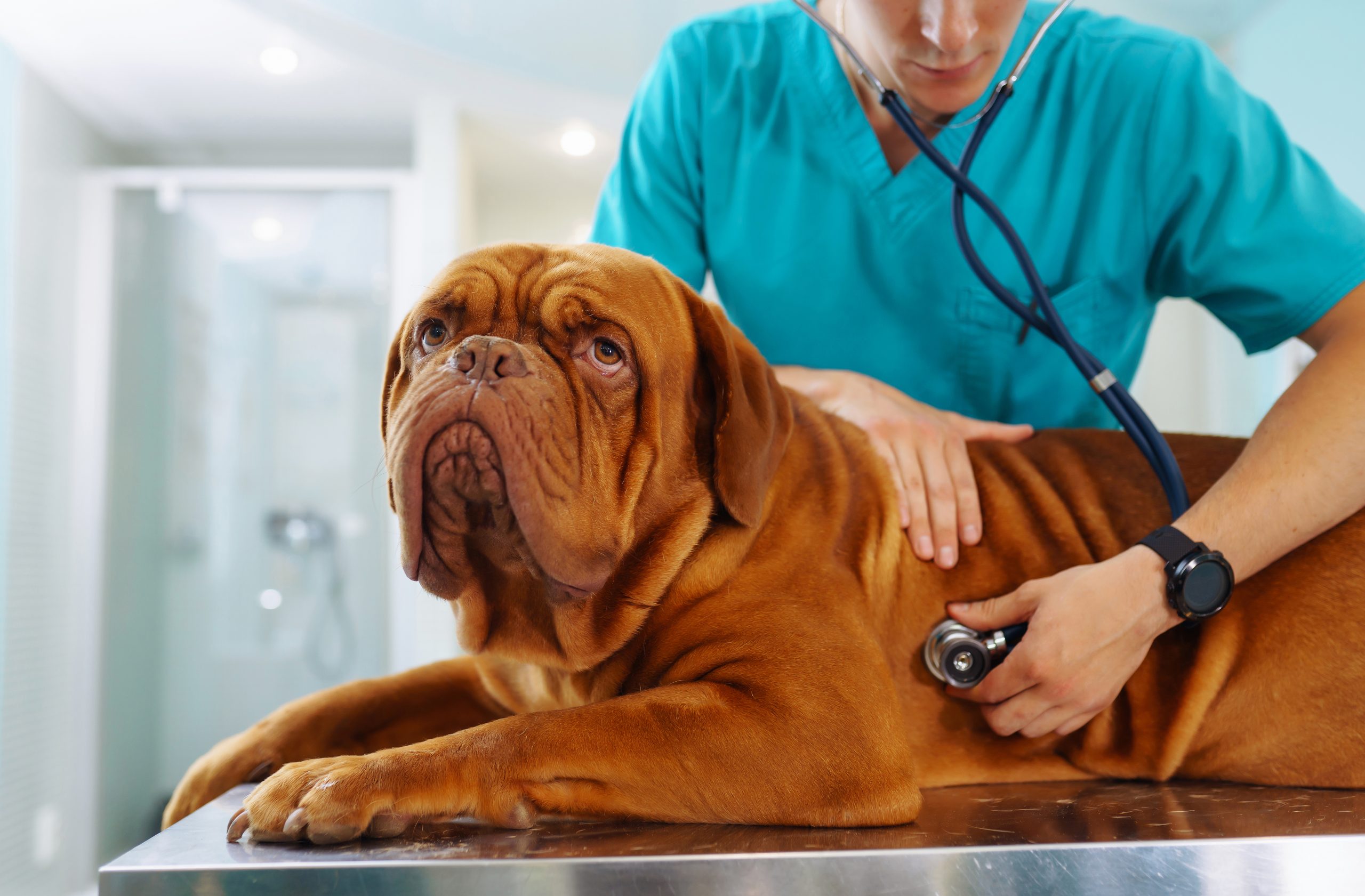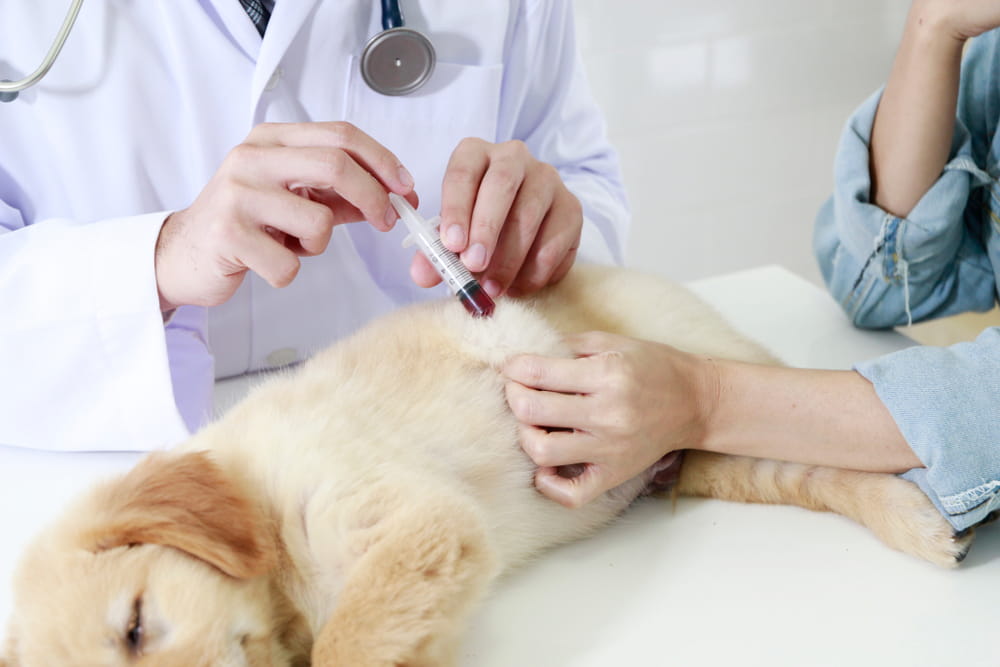
Bringing home a new puppy or kitten feels exciting and a little overwhelming. Consequently, many Calgary families wonder exactly when their new pet needs which checkup. Dr Wendy created this simple timeline to take the guesswork out of the first year.
The first year matters more than any other stage. Therefore, getting vaccines, exams, and milestones right early protects your pet for life. In addition, building a relationship with your vet now makes future visits much smoother.
Weeks 8 to 16: The Foundation Stage
New puppies and kittens typically arrive home around eight weeks old. At this point, they need their first wellness exam right away. Specifically, this exam checks for congenital issues, parasites, and overall health before vaccines begin.
Vaccinations usually start around this same window and continue in rounds. For instance, puppies often need three vaccine rounds spaced a few weeks apart. Meanwhile, kittens follow a similar schedule with slightly different timing. Dr Wendy offers our wellness exam services to guide families through each round without stress.
This stage also covers nutrition guidance. Therefore, ask about appropriate food portions and feeding schedules during this visit. Early habits often stick for years, so getting this right matters.
Months 4 to 6: Growth and Spay/Neuter Planning
Growth happens fast during these months. However, this is also when families start discussing spay or neuter timing. Specifically, many vets recommend this procedure between five and six months for most pets.
Microchipping often happens around this stage as well. For example, many families combine microchipping with the spay or neuter procedure for convenience. Additionally, this period is a good time to review our Care Kit with pricing so nothing catches you off guard financially.
Training and socialization also matter heavily right now. Consequently, puppy classes or structured socialization help prevent behavior issues later. Cats benefit from gentle handling practice too, especially around nail trims and carrier time.
Months 6 to 12: Final Vaccine Boosters and Habits
Booster vaccines typically wrap up around this stage. Therefore, your pet’s core protection becomes fully established by month twelve. Meanwhile, this is a great time to introduce nail trims, ear checks, and dental care as ongoing habits.
Local families across the region find this stage easier with mobile support. For example, our Cochrane mobile vet team handles these final puppy and kitten visits right in your living room. This keeps young, easily-stressed pets calm during a stage that shapes lifelong vet comfort.
Building Long-Term Health Habits
After the first year, annual wellness exams become the new normal. However, the habits built in year one matter enormously for years to come. Specifically, pets who associate vet visits with comfort and treats tend to handle care better as adults.
Dental care deserves early attention too. Therefore, ask your vet about tooth brushing routines while your pet is still young and adaptable. Weight monitoring also starts now, since healthy growth patterns prevent future joint and health issues.
Families throughout the northwest find consistent support through this entire process. For instance, our NW Calgary mobile vet team tracks each pet’s growth and vaccine schedule across every visit. This continuity helps catch any small concerns before they grow into bigger problems.
Looking Ahead with Confidence
Raising a healthy puppy or kitten takes patience and consistency. However, following a clear timeline removes much of the guesswork. Dr Wendy remains available throughout every stage, from those first wobbly steps to senior years.
Eventually, every pet owner faces difficult decisions near the end of a pet’s life. Although that feels far away during puppyhood, knowing our compassionate end-of-life care exists brings peace of mind for the entire journey ahead.
FAQs
When should a new puppy get its first vet visit?
Puppies should see a vet within the first few days of coming home, ideally by eight weeks old. This visit checks overall health and starts the vaccine schedule. Early exams catch issues early.
How many vaccine rounds do puppies and kittens need?
Most puppies and kittens need three rounds of core vaccines, spaced three to four weeks apart. Therefore, the full series typically finishes around sixteen weeks old. Boosters continue at twelve months.
When is the right time for spay or neuter?
Many vets recommend spay or neuter between five and six months old. However, timing can vary by breed and size. Always discuss the best timeline with your vet directly.
Should I microchip my new pet?
Yes, microchipping provides permanent identification if your pet ever gets lost. Many families combine this procedure with spay or neuter visits. Consequently, it requires no extra appointment or separate stress for your pet.
Does mobile vet care work well for puppies and kittens?
Absolutely, at-home visits reduce stress for young pets experiencing their first vet checkups. Specifically, familiar surroundings help build positive associations early. This often leads to calmer vet visits throughout their entire life.