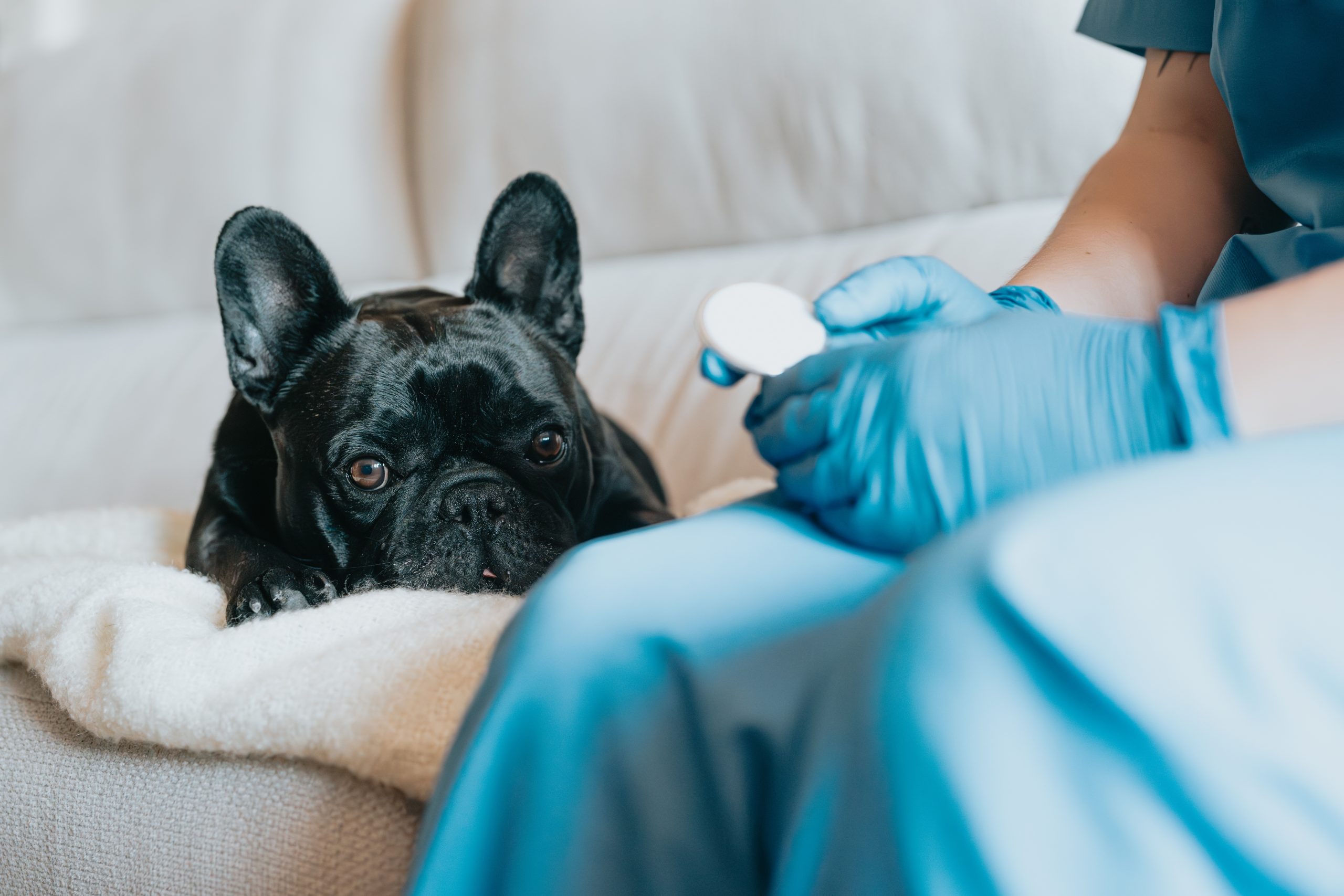
Annual pet exams are one of the most important steps in protecting your dog or cat’s long-term health. During annual pet exams, we assess your pet from nose to tail in the comfort of their own home, where they feel safe and relaxed. At Dr. Wendy VetCare, we believe preventive care works best when stress is low and communication is clear.
Unlike rushed clinic visits, home appointments allow us to observe your pet’s natural behaviour. Subtle changes in movement, posture, breathing, or interaction often tell us more than lab tests alone. By combining physical assessment with conversation, we build a full picture of your pet’s health each year.
Why Annual Pet Exams Matter More Than You Think
Annual pet exams are not just about vaccines or quick checklists. They are about tracking patterns over time. When we visit regularly, we compare weight trends, dental condition, heart sounds, skin changes, and mobility from year to year. Small shifts can signal early disease long before symptoms become obvious.
Early detection often means simpler treatment and better outcomes. For example, catching mild arthritis early allows lifestyle adjustments before pain becomes severe. Detecting dental disease early prevents infection and tooth loss. Identifying heart murmurs early leads to monitoring before complications develop.
Because visits happen at home, pets show fewer fear responses. That calmer setting helps us listen to heart and lungs more accurately and examine sensitive areas without added anxiety. You can learn more about our approach through our About Dr. Wendy VetCare page, where we explain how mobile care supports preventive health.
Head-to-Tail Physical Examination
Every visit includes a structured head-to-tail assessment. We begin with general observation. Is your pet alert? Comfortable? Moving evenly? These simple details provide important insight.
Next comes the physical exam. We examine:
- Eyes for clarity, discharge, and pupil response
- Ears for infection, debris, or inflammation
- Oral cavity for dental disease, gum health, and oral masses
- Skin and coat for parasites, dryness, lumps, or irritation
- Lymph nodes for swelling
- Heart and lungs using a stethoscope
- Abdomen for organ enlargement or discomfort
- Joints for stiffness or reduced range of motion
We also check weight and body condition score. Weight gain or loss over a year can reflect metabolic, hormonal, or dietary changes. Many chronic conditions first show subtle weight differences.
Vaccination Review and Preventive Planning
Not every pet needs the same vaccines each year. Lifestyle matters. Indoor cats have different risk profiles than farm dogs. Travel history, boarding exposure, wildlife contact, and age all influence recommendations.
During annual pet exams, we review your pet’s environment and daily routine. We discuss parasite prevention, nutrition, dental care, and behaviour. Preventive medicine is always tailored. You can review the full scope of available veterinary services to understand how wellness visits connect with diagnostic testing and treatment options.
We also evaluate senior pets differently. As animals age, screening may include bloodwork, blood pressure checks, or more frequent monitoring. Senior care is proactive rather than reactive.
Behaviour, Mobility, and Quality of Life
Annual visits are also an opportunity to discuss behaviour changes. Increased irritability, hiding, vocalization, or accidents in the house can signal medical issues rather than training problems.
Mobility assessment is especially important for aging dogs and cats. Subtle stiffness after rest or hesitation on stairs may indicate early arthritis. Identifying discomfort early allows supportive therapies, diet adjustments, and environmental changes.
For pets facing serious illness, annual assessments often transition into quality-of-life discussions. If difficult decisions arise in the future, families are already familiar with options such as saying goodbye at home, which ensures comfort and dignity in a familiar environment.
Nutrition and Weight Management
Diet plays a major role in preventive health. During exams, we review feeding routines, treats, supplements, and activity levels. Obesity increases the risk of diabetes, arthritis, and heart disease. Underweight pets may have dental pain, digestive issues, or systemic disease.
We provide practical feeding recommendations based on age, breed, and lifestyle. Small adjustments made early can prevent major problems later. Preventive care is not dramatic. It is consistent.
Client Education and Home Environment Insight
One of the greatest advantages of home visits is seeing the living space. Flooring, stairs, litter box placement, and feeding setup all influence health. Slippery floors can worsen joint strain. Poor litter placement may contribute to urinary issues. We provide tailored suggestions based on what we observe.
Families often ask detailed questions during these appointments. There is time to discuss concerns thoroughly without feeling rushed. This collaborative approach strengthens trust and understanding.
If you are preparing for a visit, information about the care kit and pricing helps you understand what to expect and how to plan.
Building a Long-Term Health Record
Annual pet exams create a documented baseline. That baseline becomes critical if illness develops later. Comparing current findings to previous notes helps identify what is new and what is stable.
Consistency builds familiarity. Pets recognize routine. Owners feel confident. Veterinary decisions become more precise because they are informed by history, not guesswork.
At Dr. Wendy VetCare, annual exams are not just appointments. They are part of an ongoing relationship focused on prevention, comfort, and informed care.
Frequently Asked Questions
How long does a home annual exam take?
Most visits last 45 to 60 minutes. This allows time for a full physical examination, discussion of concerns, and preventive planning without rushing.
Are home exams as thorough as clinic visits?
Yes. We perform complete head-to-tail assessments at home. If advanced diagnostics are required, we guide you through the next appropriate steps.
What age should pets start annual exams?
Puppies and kittens begin wellness care early, often with multiple visits in the first year. Adult pets should continue annual exams, while seniors may benefit from twice-yearly monitoring.
Do indoor pets really need annual exams?
Yes. Even indoor pets can develop dental disease, arthritis, kidney issues, or heart conditions. Preventive visits help detect problems early.
What if my pet becomes anxious during the visit?
Home settings reduce anxiety significantly. If stress appears, we adjust our approach, move slowly, and prioritize comfort throughout the appointment.