Trim Your Dog’s Nails is one of those chores that most pet owners dread. We hear stories all the time about “wrestling matches” on the kitchen floor and accidental “quicking” that leads to blood and tears for everyone. However, keeping nails short is essential for your dog’s health. Long nails can cause pain, change the way your dog walks, and lead to permanent joint damage. Our team at Dr. Wendy Vet Care wants to show you that nail trims don’t have to be a battle.
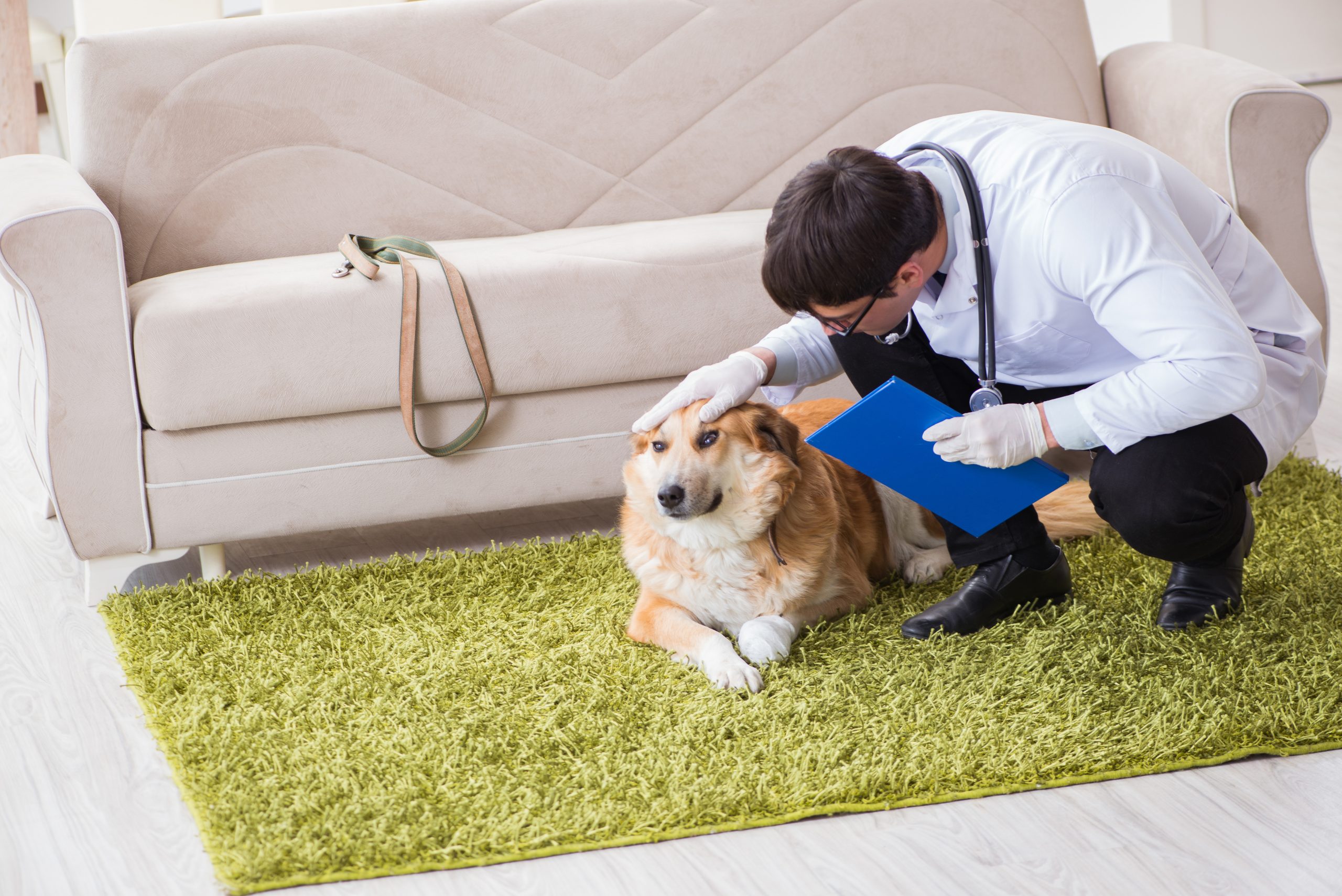
We believe that the key to a successful nail trim is moving at your dog’s pace. If your dog is terrified of the clippers, forcing the issue will only make the fear worse next time. We want to help you build a step-by-step plan that turns nail care into a positive experience. Let the vet visit you if your dog’s nails have become too long and you are worried about doing it yourself. We provide professional trims in a low-stress environment right in your own home.
Why Long Nails are a Health Risk for Dogs
When a dog’s nails are too long, they hit the ground with every step. This pushes the nail back into the nail bed, which is very uncomfortable. To avoid this pain, your dog will change the way they stand and walk. This puts extra strain on the joints in their feet, legs, and even their back. We often see older dogs in Airdrie struggling with mobility simply because their nails are too long and they can’t get proper traction on the floor.
Transitioning to a regular nail care routine prevents these long-term issues. Short nails allow the paw to splay naturally and provide the grip your dog needs to run and play safely. Furthermore, long nails are much more likely to snag on carpets or bushes and tear off, which is a painful emergency. We believe that a quick trim every 3 to 4 weeks is the best way to keep your dog’s “chassis” in perfect alignment.
Understanding the “Quick” and How to Avoid It
The biggest fear most owners have is cutting the “quick.” The quick is the vein and nerve that runs down the center of the nail. If you cut it, it will bleed and hurt. On white nails, the quick looks like a pink area inside the nail. On black nails, it is much harder to see. We suggest taking very small “slices” off the end of the nail rather than one big chop. As you get closer to the quick, you will see a small dark circle in the center of the cut surface. That is your signal to stop.
If you do accidentally cut the quick, don’t panic! Keep some styptic powder (like Kwik-Stop) or even some cornstarch nearby. Press the powder onto the end of the nail to stop the bleeding. Your dog will be okay, but they will likely be extra sensitive for the rest of the session. We find that using a “grinder” or Dremel tool is often safer for beginners because it allows you to slowly sand down the nail instead of cutting it. If you are too nervous to try, our mobile RVT-style visits in NW Calgary are a perfect solution.
Building a Step-by-Step Training Plan
We believe in “desensitization.” This means teaching your dog that the clippers aren’t scary. Start by just showing your dog the clippers and giving them a high-value treat like peanut butter or cheese. Do this for a few days without ever trying to cut a nail. Next, touch the clippers to your dog’s paw and give a treat. The goal is to make your dog think, “When I see the clippers, I get something amazing!”
Once your dog is comfortable with the touch, try cutting just the very tip off one nail. If they stay calm, give them a huge reward and stop for the day. You don’t have to do all twenty nails at once! We often suggest doing one paw a day or even just one nail a day. This keeps the stress levels low and ensures your dog doesn’t feel overwhelmed. If you stay consistent, your dog will eventually learn to sit quietly for their “pedicure.”
The Benefits of Professional In-Home Nail Trims
Sometimes, despite your best efforts, your dog’s fear is just too great. Or perhaps your dog is a “senior” with arthritis in Cochrane who find it painful to have their paws held. This is where a professional home visit makes a huge difference. We bring the skill and the specialized tools to get the job done quickly and safely. We can often use techniques that owners aren’t familiar with to keep the dog calm and still.
Our dR. Wendy’s Vet Care mobile team focuses on a “low-restraint” philosophy. We don’t believe in pinning dogs down, as this only increases their panic. Instead, we use distraction, comfortable positioning, and positive reinforcement. Seeing a professional do it in your own living room can also give you the confidence to try it yourself next time. If you are tired of the battle, you should Contact Us to schedule a maintenance visit.
Tools of the Trade: Clippers vs. Grinders
Choosing the right tool can make the job much easier. “Pliers-style” clippers are great for thick, tough nails, while “guillotine-style” clippers work well for smaller dogs. However, many of our clients are switching to nail grinders. Grinders use a rotating sandpaper bit to file the nail down. This leaves the nail smooth so it won’t snag on your sweaters or scratch your hardwood floors.
We find that some dogs prefer the sound of the grinder over the “click” of the clippers. However, the grinder does get warm, so you have to work in short bursts. Whichever tool you choose, make sure the blades are sharp or the sandpaper is fresh. Dull tools squeeze the nail, which is painful for the dog. We are happy to show you how to use these tools properly during our next visit to your home.
FAQ
How short should my dog’s nails be?
Ideally, you shouldn’t hear your dog’s nails “clicking” on the floor when they walk. If you hear that sound, they are too long. The goal is to keep them just above the level of the floor.
My dog has black nails. How do I find the quick?
On black nails, look at the bottom of the nail for a “hollow” area. The quick is usually located where the nail starts to become solid again. Take very small chips off the end and look for a small grey or black dot in the center of the nail—that’s the start of the quick!
What if my dog is aggressive during nail trims?
If your dog snaps or tries to bite, please do not force them. This is a sign of extreme fear or pain. In these cases, it is much safer to have a professional handle it. We can use specialized techniques or even mild sedation if necessary to get the job done without anyone getting hurt.
Can I just walk my dog on pavement to wear the nails down?
Walking on pavement helps, but it usually doesn’t wear the nails down enough, especially the dewclaws (the “thumb” nails higher up on the leg). Dewclaws never touch the ground, so they can grow in a circle and poke into the skin if they aren’t trimmed manually.
Why does my dog’s nail bleed so much if I hit the quick?
The quick has a direct blood supply, so it can bleed quite a bit and look scary. It is rarely a life-threatening emergency, but it is painful. Applying pressure with styptic powder usually stops the bleeding within a minute or two.
Is it too late to start training my older dog?
It is never too late! While it might take a bit longer for an older dog to change their mind about nail trims, positive reinforcement works at any age. Be extra gentle with seniors, as they may have stiff joints that make holding their paws uncomfortable.