A mobile vet visit is often very different from what pet owners expect. During a mobile vet visit, the experience is calm, personal, and centered around your pet’s comfort at home. Instead of rushing into a clinic waiting room, your dog or cat stays in familiar surroundings while professional care comes directly to you.
At Dr. Wendy VetCare, the goal is to make veterinary care less stressful and more convenient for families. From the first phone call to the final follow-up, each step is designed to support both pets and owners in a relaxed environment.
Mobile Vet Visit Process: Before We Arrive
Preparation for a mobile appointment begins well before the vehicle pulls into your driveway. When you contact Dr. Wendy VetCare, you will discuss your pet’s age, medical history, behavior, and any current concerns. This helps the veterinarian prepare the right equipment and medications in advance.
You will also receive guidance on where the exam can take place inside your home. For dogs, this might be a quiet living room area. For cats, it could be a small enclosed space where they feel secure. Clear instructions reduce surprises and make the visit smooth from the start.
If you are unsure which services are available at home, you can review the full range of mobile veterinary services offered. Wellness exams, vaccinations, diagnostic testing, nail trims, and quality of life assessments can all be performed during a house call.
What Happens During the Mobile Vet Visit
When the veterinarian arrives, the first priority is creating a calm atmosphere. Pets are greeted gently, allowing them time to adjust without the pressure of unfamiliar smells or other animals nearby. This is one of the biggest differences compared to clinic appointments.
The appointment typically begins with conversation. You will explain any recent changes in appetite, energy level, mobility, or behavior. This detailed history often provides valuable clues before the physical exam even starts.
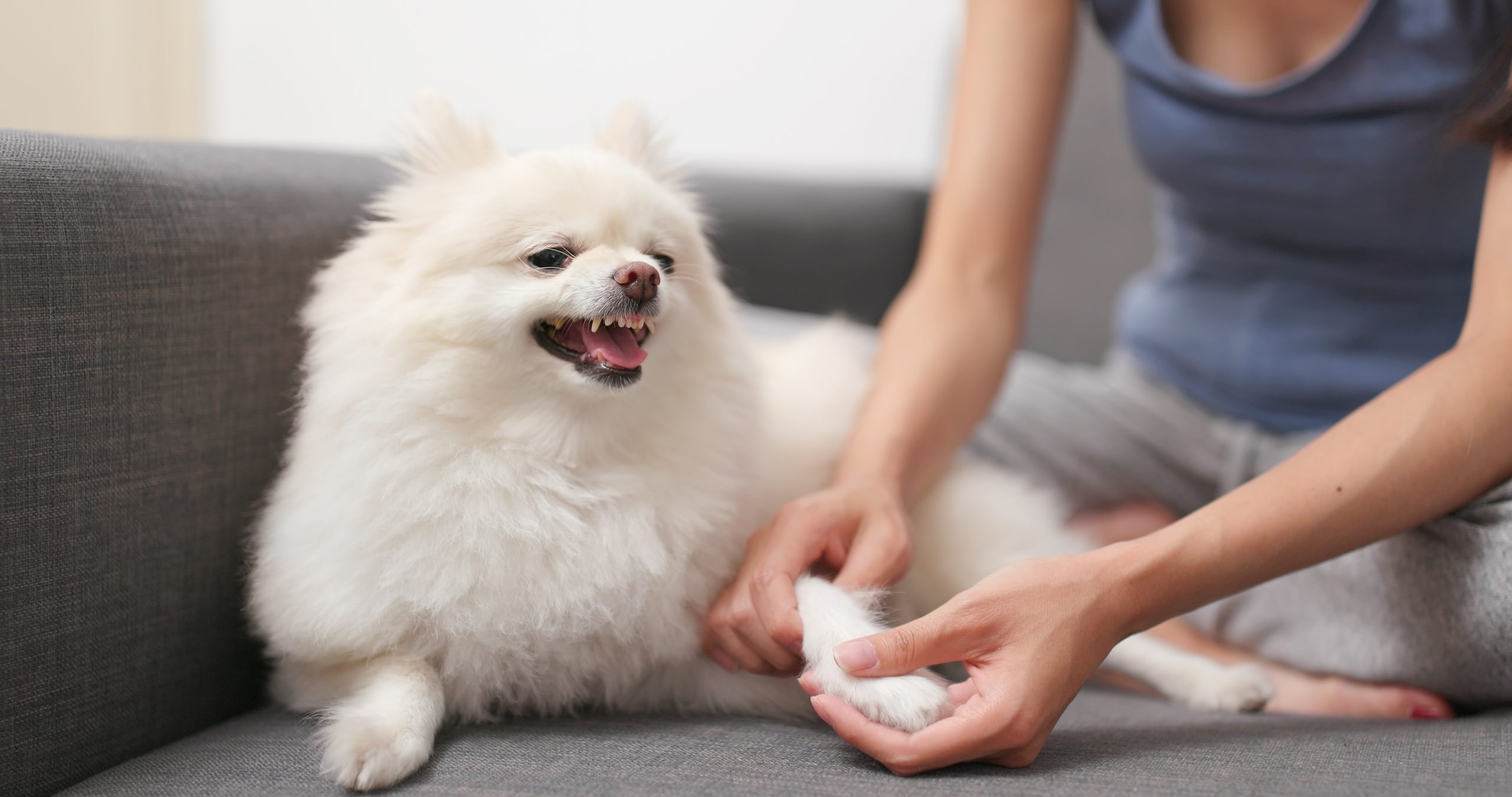
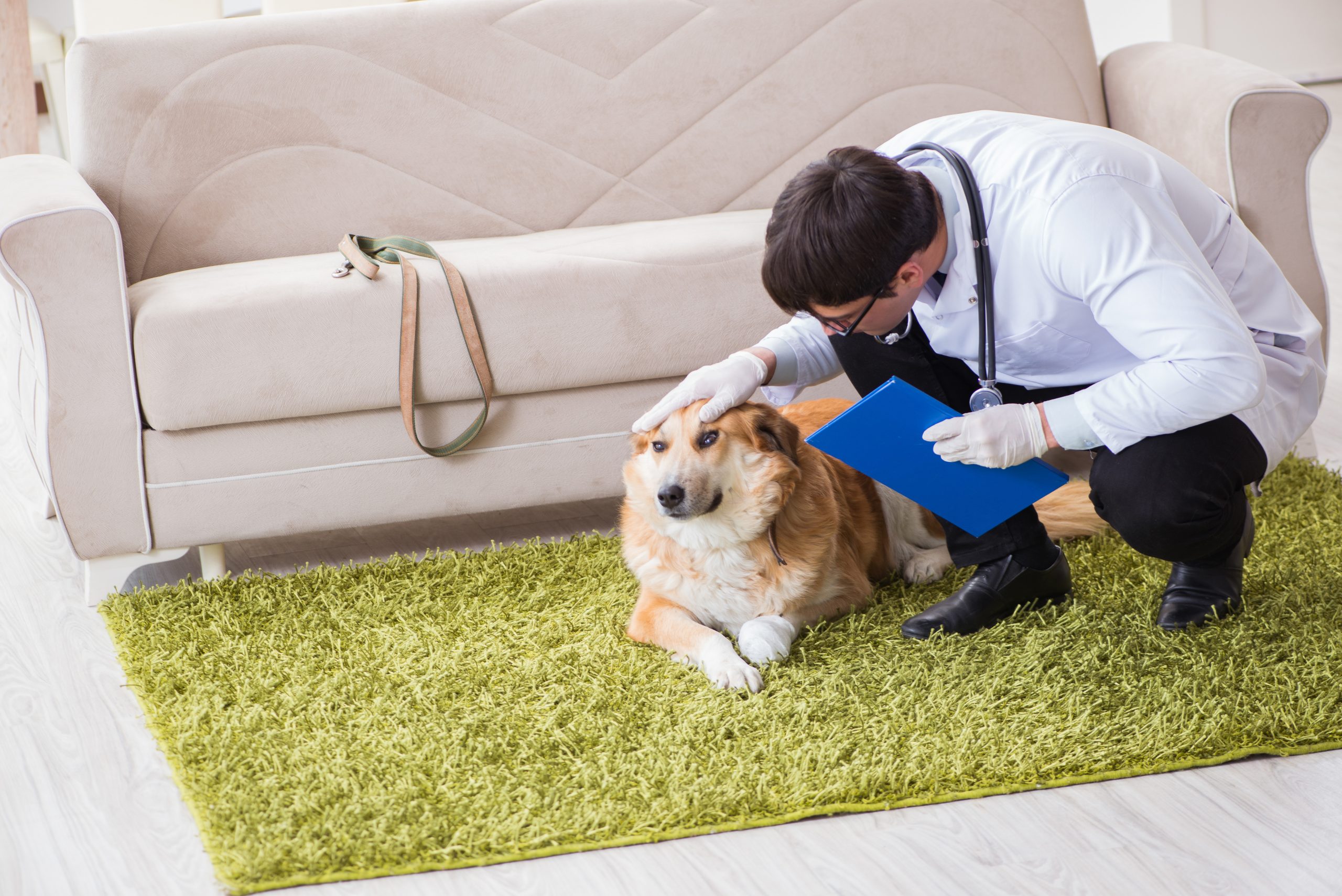
The hands-on examination follows. The veterinarian checks weight, heart rate, breathing, eyes, ears, teeth, skin, and joints. For dogs, the tail wag might continue throughout the exam because they are still in their own space. Cats, who often hide stress in clinic settings, tend to be more relaxed at home.
If vaccinations or diagnostic tests are required, they are performed carefully and efficiently. Because this is a structured mobile vet visit, the veterinarian arrives fully equipped with essential tools and supplies.
Special Situations Handled at Home
Some appointments carry more emotional weight than others. For families facing end-of-life decisions, at-home care provides privacy and peace. Through the saying goodbye services, pets remain surrounded by familiar scents and loved ones during their final moments.
Quality of life assessments are also common during a mobile vet visit. These evaluations focus on comfort, mobility, appetite, and overall happiness. Conversations are unhurried, allowing you to ask questions and explore options without feeling rushed.
Senior pets especially benefit from house calls. Arthritis, anxiety, and mobility challenges can make travel painful. By removing transportation from the equation, the veterinarian can focus entirely on the pet’s needs.
After the Examination: Next Steps and Planning
At the end of the appointment, you will receive a clear explanation of findings and recommendations. This may include medication instructions, dietary changes, or follow-up testing. Because everything happens face-to-face in your home, communication tends to feel more personal and thorough.
If ongoing care is needed, future appointments can be scheduled right away. Many families also ask about pricing and what to expect financially. Transparent information is available through the care kit and pricing details, so there are no unexpected surprises.
A mobile vet visit does not end when the veterinarian leaves your driveway. Follow-up communication ensures that treatments are working and that your pet continues to improve. This continuity builds long-term trust between the veterinarian and your family.
Why Pets Often Do Better at Home
Animals rely heavily on scent and routine. A traditional clinic contains unfamiliar smells, bright lights, and the sounds of other stressed animals. Even calm pets may show fear in that environment.
At home, those stress triggers are removed. Dogs can stay near their favorite bed. Cats can remain in a known room. For multi-pet households, everyone can be assessed during the same visit without separate trips.
Owners also feel more relaxed. Instead of worrying about travel crates, traffic, or waiting rooms, you can focus entirely on your pet. This relaxed setting often leads to more honest conversations about concerns and long-term health planning.
If you would like to understand more about the philosophy and experience behind these house calls, you can learn more about the veterinary approach that guides each appointment.
Is a Mobile Vet Visit Right for Your Pet?
A mobile vet visit works well for puppies, senior pets, anxious animals, and households with multiple pets. It is especially helpful for cats who strongly dislike travel and for dogs that become reactive in busy clinic environments.
However, there are limits. Emergency surgeries and advanced imaging still require specialized facilities. During your consultation, the veterinarian will advise if a clinic referral is necessary.
For routine wellness care, chronic disease management, and compassionate end-of-life support, home visits provide a thoughtful alternative. The focus remains on comfort, connection, and practical medical care delivered in a familiar space.
Choosing at-home veterinary care is ultimately about reducing stress while maintaining professional standards. For many families, the experience feels more personal, more respectful, and more aligned with how they want their pets to be treated.
Frequently Asked Questions
How long does a mobile vet visit usually take?
Most appointments last between 30 and 60 minutes. Complex cases or quality of life consultations may take longer to ensure all questions are addressed thoroughly.
Can vaccinations be done during a home visit?
Yes. Routine vaccinations, boosters, and preventive care are commonly performed during a scheduled mobile appointment.
Is a mobile visit more stressful for shy cats?
In most cases, it is less stressful. Cats remain in their familiar environment, which often reduces fear compared to clinic travel and waiting rooms.
What if my pet needs further testing or surgery?
If advanced diagnostics or surgery are required, the veterinarian will recommend a trusted clinic facility and guide you through the next steps.
How do I prepare my home for the appointment?
Choose a quiet, well-lit area with enough space for examination. Keep other pets secured if necessary, and have any medical records or medications available for review.