A change in pet appetite can feel confusing at first. However, it often gives one of the earliest clues about your pet’s health. In other words, even small shifts in eating habits can signal something deeper. At Dr. Wendy Mobile Vet, we help families understand these changes clearly and guide them through the next steps.
Why Pets Suddenly Eat Less or More
Pets usually follow a steady eating routine. Therefore, any noticeable change should be taken seriously. Some pets begin to eat less, while others may suddenly seem constantly hungry.
For example, stress can affect appetite quickly. A new home, a different schedule, or even a new pet can change how your pet feels about food. Similarly, medical issues such as dental pain or stomach discomfort can make eating unpleasant.
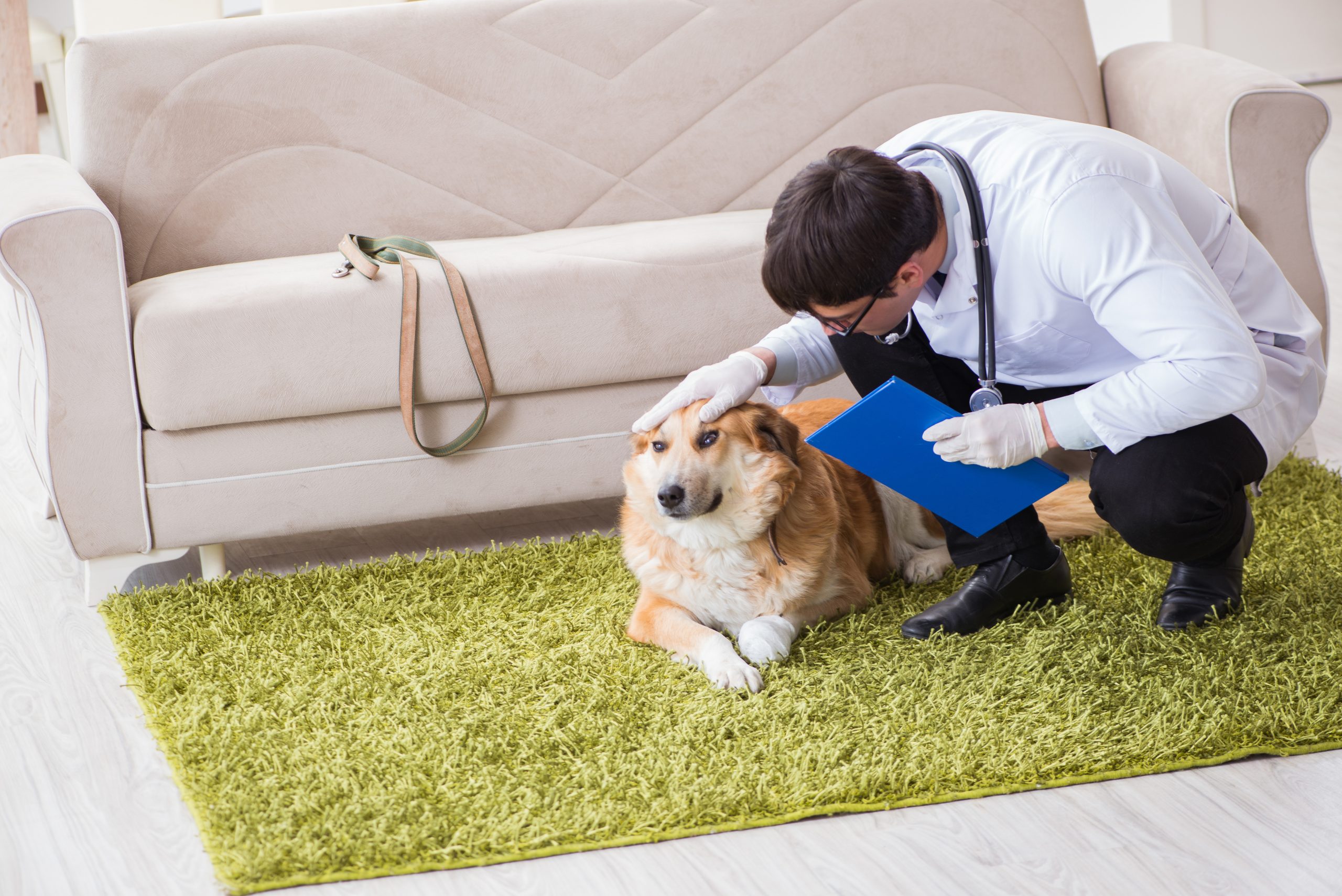
In addition, aging plays a role. Older pets may eat less due to slower metabolism or hidden health conditions. During a visit through mobile veterinary care, these patterns are easier to observe because your pet stays comfortable in a familiar space.
Signs That Appetite Changes Are a Concern
It is not only about how much your pet eats. Instead, it is also about how their habits change over time. For instance, skipping one meal may not be serious. However, ongoing changes should never be ignored.
Watch for these signs:
- Refusing food for more than a day
- Eating much more than usual
- Sudden weight loss or gain
- Dropping food or chewing slowly
- Vomiting or digestive issues after eating
Above all, consistency matters. If the behavior continues, it likely means something needs attention. A check through a Cochrane mobile veterinary visit can help identify the cause early.
What a Loss of Appetite May Mean
When a pet stops eating, it can quickly affect their energy and health. Therefore, understanding the reason is important right away.
Dental problems are a common cause. Pets may approach food but avoid eating because of pain. Similarly, digestive issues can make them feel uncomfortable after meals. In addition, infections or chronic illness may slowly reduce appetite over time.
Meanwhile, emotional factors should not be ignored. Changes in routine or environment can cause temporary appetite loss. However, if it continues, further care is needed.
In more advanced situations, appetite loss may happen near the end of life. At that stage, comfort becomes the main focus. Support through in-home euthanasia support helps ensure your pet remains calm and cared for.
What Increased Appetite Could Indicate
Some pets begin eating more than usual. However, this does not always mean they are simply hungry. In fact, it can be a sign of an underlying issue.
For instance, conditions like diabetes or hormonal imbalance may cause constant hunger. As a result, pets may eat more but still lose weight. Similarly, certain medications can increase appetite as a side effect.
In addition, boredom can lead to overeating. Pets without enough activity may look for food more often. Therefore, it is important to look at both medical and behavioral causes.
A visit through a mobile veterinary NW Calgary service allows a closer look at daily habits. Consequently, we can understand whether the issue is related to health or routine.
Why Home Visits Help Identify the Cause
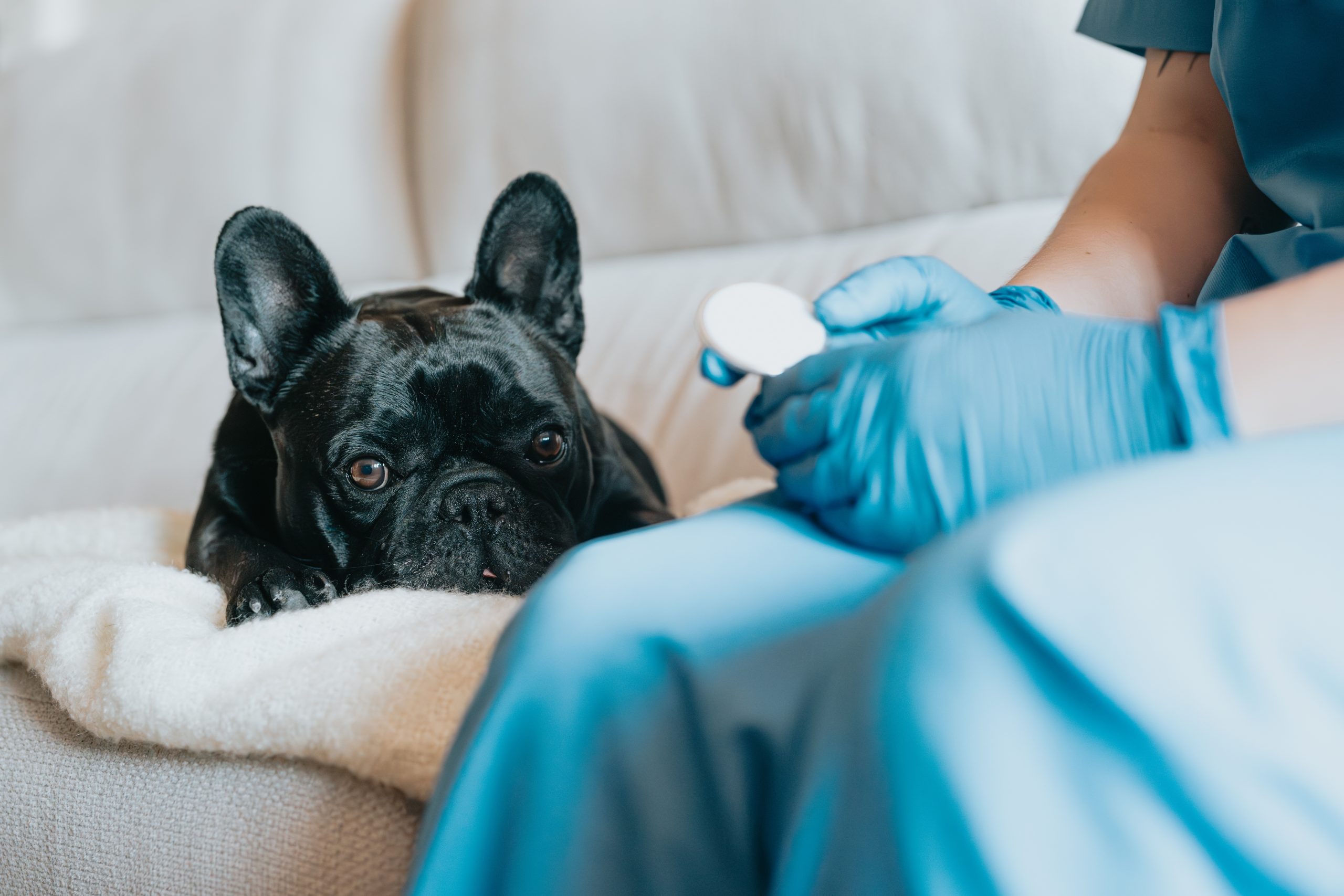
Pets often act differently in clinics. However, at home, their natural behavior becomes easier to observe. This makes it simpler to understand real eating patterns.
During a home visit, Dr. Wendy reviews feeding habits, physical condition, and daily routines. In addition, your pet stays relaxed, which leads to more accurate observations.
This approach also helps detect small issues early. For example, slight weight changes or subtle eating differences can be noticed before they become serious. You can learn more about the care approach through the about our veterinary services page.
What You Can Do at Home First
There are simple ways to monitor your pet before calling for help. Firstly, keep feeding times consistent and measure portions carefully. Secondly, watch how your pet eats and how quickly they finish their food.
In addition, track water intake and energy levels. These often change along with appetite. For instance, increased drinking combined with appetite changes may need quick attention.
Most importantly, trust what you notice. If your pet feels different, it is worth checking. Early attention often leads to better outcomes and less stress for both you and your pet.
FAQs
How long can a pet go without eating before it becomes serious?
If your pet has not eaten for 24 hours, it should be checked. Therefore, early care helps prevent further health problems.
Why is my pet suddenly eating much more than usual?
This may be caused by medical conditions or behavior changes. For instance, hormonal issues or boredom can both increase appetite.
Can stress really change how my pet eats?
Yes, stress can strongly affect appetite. In other words, changes in routine or environment can lead to eating less or more.
Should I change my pet’s food if appetite drops?
It is better to find the cause first. However, sudden diet changes may not solve the problem and can sometimes make it worse.
Why choose a home veterinary visit for appetite concerns?
Pets feel more relaxed at home. As a result, it is easier to observe true behavior and identify the cause of appetite changes.