
How to Trim Your Dog’s Nails at Home Without a Battle

Trim Your Dog’s Nails is one of those chores that most pet owners dread. We hear stories all the time about “wrestling matches” on the kitchen floor and accidental “quicking” that leads to blood and tears for everyone. However, keeping nails short is essential for your dog’s health. Long nails can cause pain, change the […]
Cat Stress and Hiding Behavior

Cats are masters at hiding their feelings. In the wild, showing pain or fear makes them a target for predators. This means our pet cats often keep their struggles a secret from us. If your cat is suddenly spending all their time under the bed or in the back of a closet, they are trying […]
Tick and Lyme Prevention for Dogs Around Calgary and Cochrane
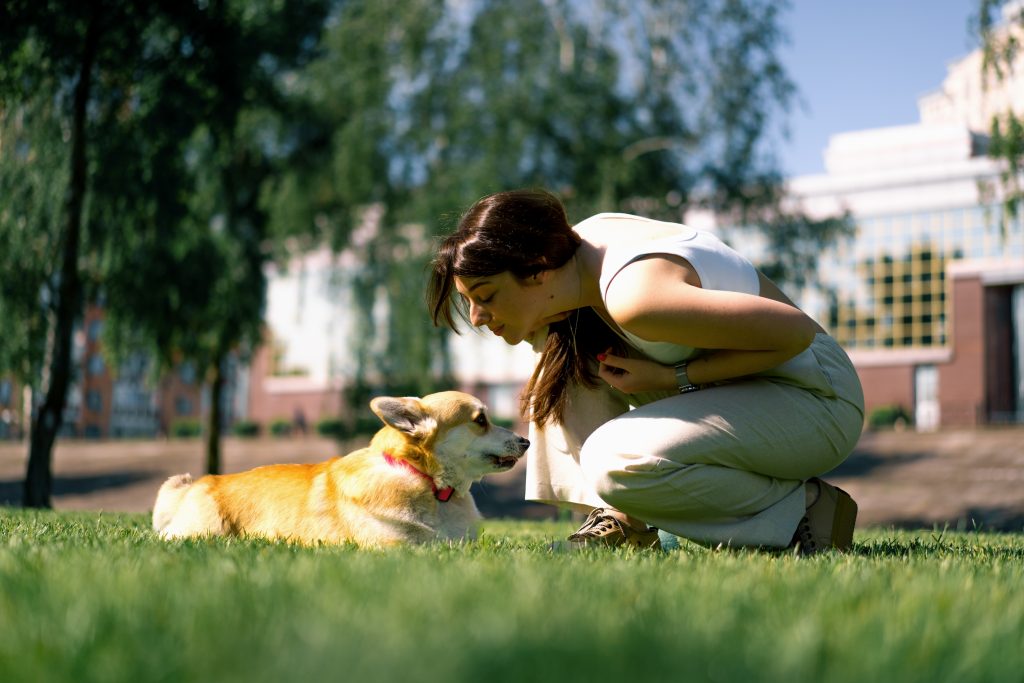
Many people think that ticks are only a problem in the thick forests of BC or out east. However, we are seeing more ticks in Alberta every single year. As our climate changes, ticks are moving into areas where they never lived before. Whether you are hiking in the foothills or just walking through the […]
How To Build A Low-Stress Routine For Pets Who Need Frequent Vet Visits

Some pets need the vet more often than others. Chronic issues, aging, or recovery after surgery can make visits part of weekly life. We see how quickly stress builds when routines are unpredictable or too intense. Pets do better when visits feel familiar, safe, and low-pressure. With a few adjustments, we can make frequent care […]
Helping Anxious Cats During Thunderstorms And Fireworks

Cats feel safe when their surroundings stay quiet and predictable. Sudden sounds like thunder or fireworks throw off that sense of calm. We often see how quickly a peaceful cat can turn anxious or even frantic during these events. That is why it matters to know what signs to watch for and how to ease […]
Seizures In Dogs And Cats: How To React Calmly At Home

Seizures in pets can be scary to witness, especially when they happen without warning. During those moments, it’s easy to panic. But having a plan and understanding the basics can help us stay calm. Our pets depend on us for safety and support. So, learning how to respond at home while waiting for professional help […]
What Vomiting And Diarrhea Can Tell You About Your Pet’s Health
Most pet owners deal with upset stomachs now and then, but when vomiting or diarrhea show up, it’s hard to know if it’s something mild or a sign of a bigger issue. These symptoms often seem harmless at first. However, they can also be the body’s way of warning us about deeper problems. Our goal […]
Heatstroke In Pets: Early Warning Signs And What To Do While You Wait For A Vet

Heatstroke can happen fast, especially when the temperature climbs and pets can’t cool themselves. It’s not just about hot days either. Humidity, lack of shade, and even a short time in a car can quickly become dangerous. We want to help you spot the signs early and take the right steps before medical help arrives. […]
Safe Pain Relief For Pets: What You Can And Can’t Do Before The Vet Arrives
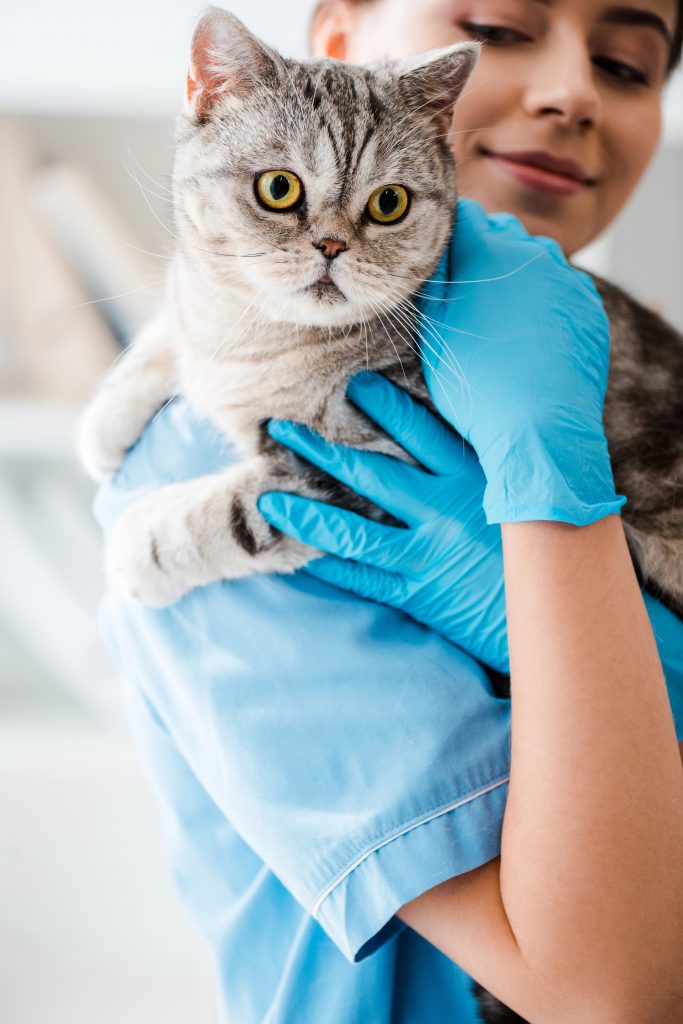
Recognizing when pets are in pain is not always simple. They often hide it or show subtle changes like limping, shaking, or growling when touched. Sometimes they just seem more withdrawn than usual. Other times, they may pant, pace, or stop eating. Each pet reacts differently. Some become more vocal, while others try to hide […]