Cats feel safe when their surroundings stay quiet and predictable. Sudden sounds like thunder or fireworks throw off that sense of calm. We often see how quickly a peaceful cat can turn anxious or even frantic during these events. That is why it matters to know what signs to watch for and how to ease that stress from home. If your cat hides, trembles, pants, or shows unusual behavior when loud noises start, you’re not alone. Many pet owners face this challenge. Our goal is to share ways to help your cat feel safer without panic, starting with simple changes you can make right now.
Understanding Noise Anxiety in Cats
Anxiety in cats during loud events usually begins with their sharp senses. Cats hear sounds at a much higher frequency than we do. That means they not only hear thunder sooner, but they also sense the vibration and pressure changes around it. As a result, they often pick up on the storm before it even begins. Similarly, fireworks are sudden, sharp, and echo unpredictably. These patterns trigger fear in many cats.
Some cats may be naturally more sensitive, especially those who had negative past experiences or who weren’t exposed to various sounds when they were young. Even changes in routine during these events can cause anxiety. One cat might hide under furniture, another might cry or pace, while others freeze and stare. Knowing these signs helps us act early and prevent more serious distress. Every cat shows anxiety differently, so paying close attention always helps.
Creating a Safe Hiding Spot
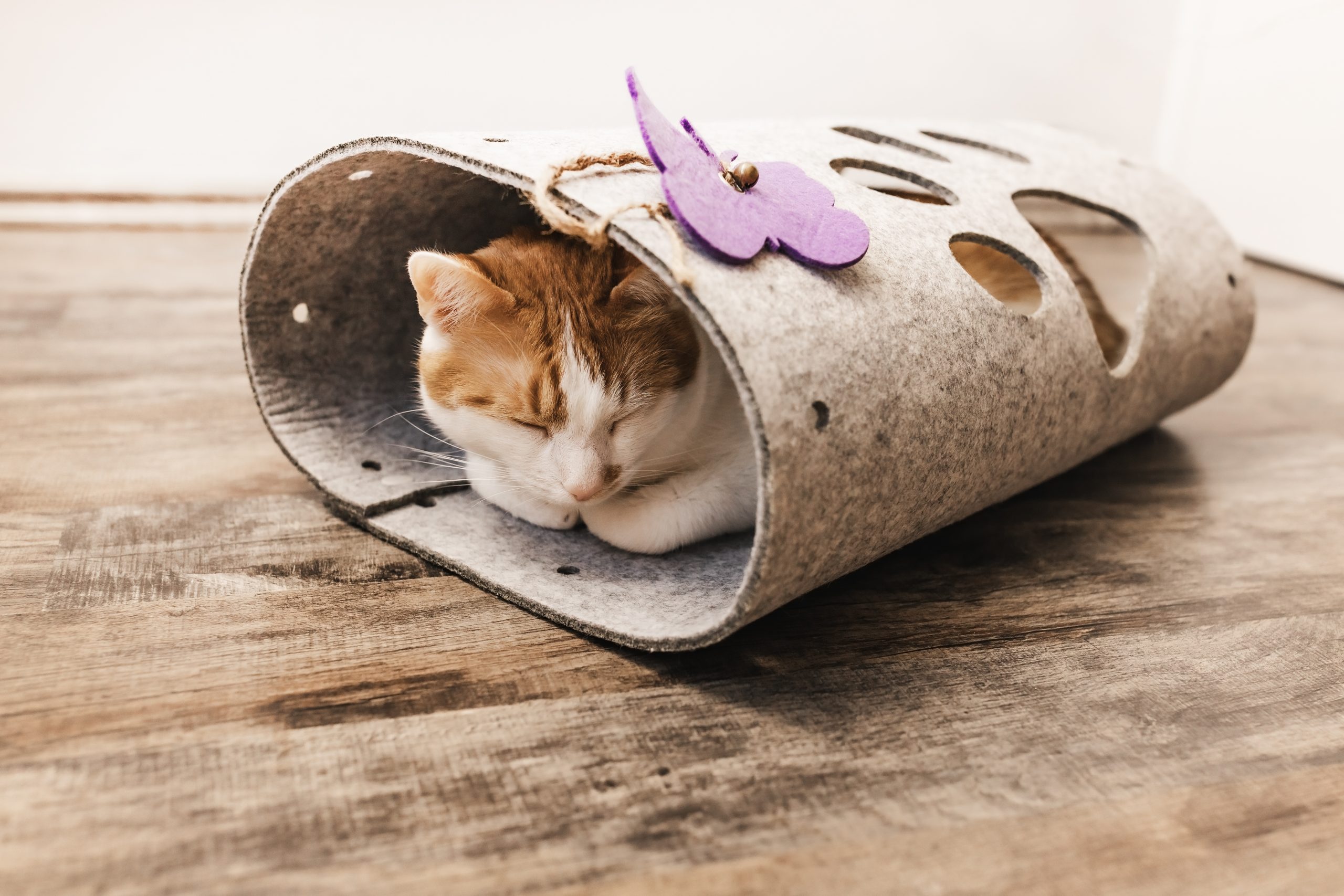
Comfort begins with having a place that feels safe. If your cat doesn’t already have one, it’s a good idea to prepare a quiet room or closet ahead of time. Choose a small space that stays calm and dark, like a walk-in closet or even under the bed. Some cats prefer high shelves, while others hide low, so give them options. Use their favorite blankets, soft beds, or a covered carrier to make the spot familiar.
To block outside noise, we can add heavy curtains or a white noise machine nearby. This works especially well during firework season. Closing the door to this area helps mute the noise further. Some people turn on soft music or a TV in the room for added comfort. Your cat may return to this spot every time something loud happens, so keeping it ready year-round makes a difference.
Adjusting the Environment Before the Noise Starts
Planning ahead always helps reduce stress. If we know a thunderstorm or firework event is coming, we can set up our home to keep our cats as calm as possible. Close windows and blinds before the sounds begin. This keeps both noise and flashing lights out. Turning on lights indoors can reduce how noticeable outside flashes become. A quiet room, like the one we mentioned earlier, should be ready in advance.
We also avoid moving furniture or creating extra disturbances during that time. Keeping the home steady allows your cat to stay oriented and comfortable. Cats notice changes quickly, so keeping familiar scents around—like used bedding or worn clothing—adds a layer of comfort. These small details may seem simple, but together they make a strong base for preventing panic once the loud noise begins. Preparation works best when done early, not during the event.
Behavioral Tools and Calming Products
There are calming tools we can try at home that may support anxious cats. One of the most common options is synthetic feline pheromones, which mimic the scent cats use to mark safe places. These come in diffusers or sprays. We’ve seen many cats respond well to them over time. Another option is compression garments, which apply gentle pressure around the body. For some cats, this helps reduce nervous energy during storms or fireworks.
Calming collars are also available and may include natural herbs or pheromones. However, it’s important to watch how your cat reacts, since not every product suits every cat. Treats with calming ingredients are another gentle approach. Try them well before the noise begins. We also suggest testing any calming item in a quiet setting first, so your cat doesn’t associate it only with scary events. This builds trust and familiarity before you need it most.
Staying Calm With Your Cat During Events
How we act during a storm or fireworks can shape how our cats feel. If we stay calm, it gives them a reason to feel safer too. Cats often look at our body language and voice tone for clues. Sitting quietly nearby, using a calm voice, and avoiding sudden movements can go a long way. We don’t need to force interaction, but gentle presence helps.
If your cat comes to you, gentle petting or slow blinking may relax them. However, if they hide, it’s best not to pull them out. Let them stay where they feel secure. If they want to sit near you, offer a soft blanket or lap to curl up on. Keeping lights on and the TV or music playing at a low level adds normalcy. Our role is to stay consistent, reassuring, and calm while they navigate the noise around them.
When to Contact a Mobile Veterinary Professional
In some cases, fear turns into more serious behavior. If your cat refuses food or water after a storm or becomes aggressive or ill, it may be time to reach out for help. Some cats even hurt themselves trying to escape or scratch at doors or windows. These are signs that the anxiety goes beyond a mild fear. Our team can help assess whether your cat needs further support or medication.
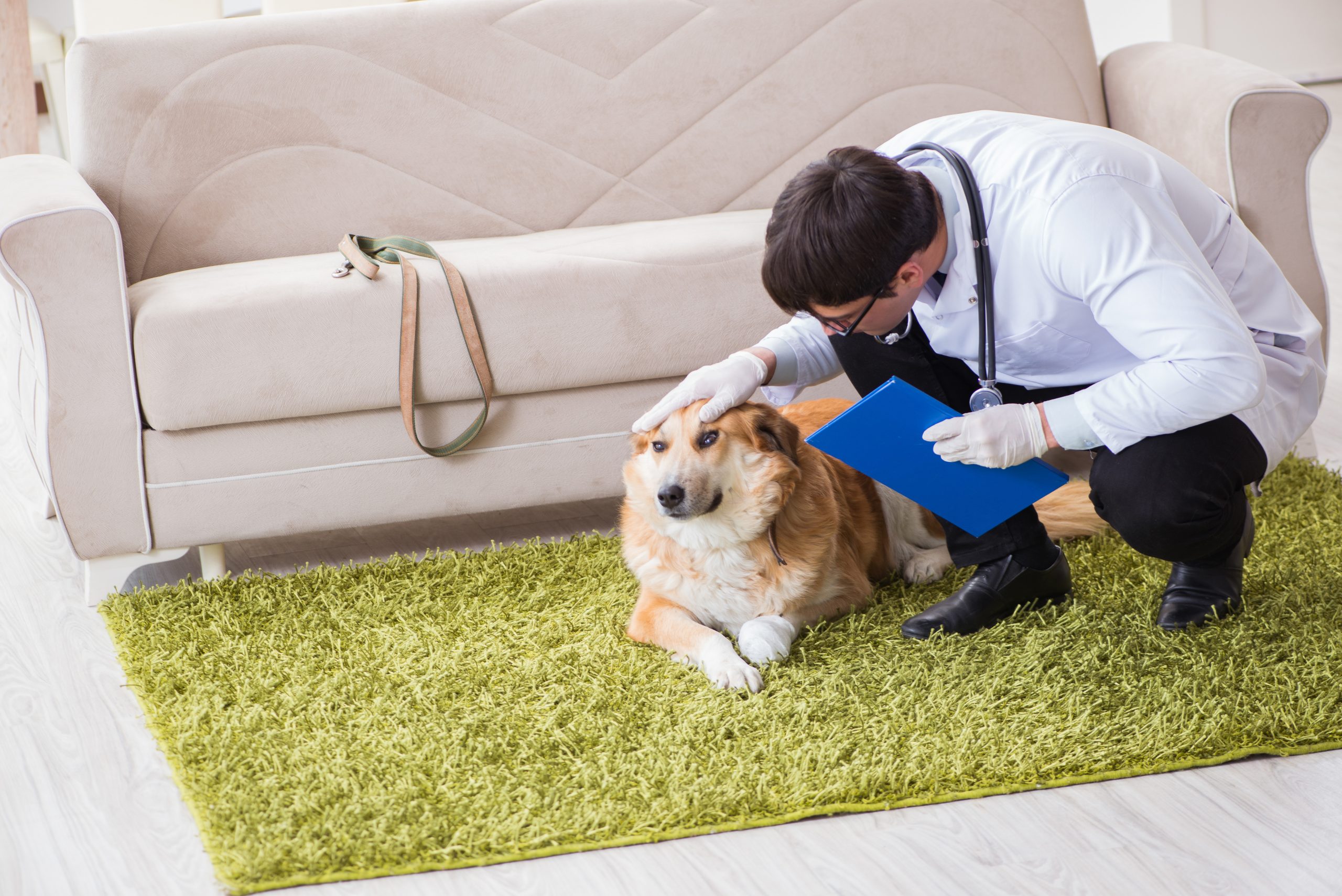
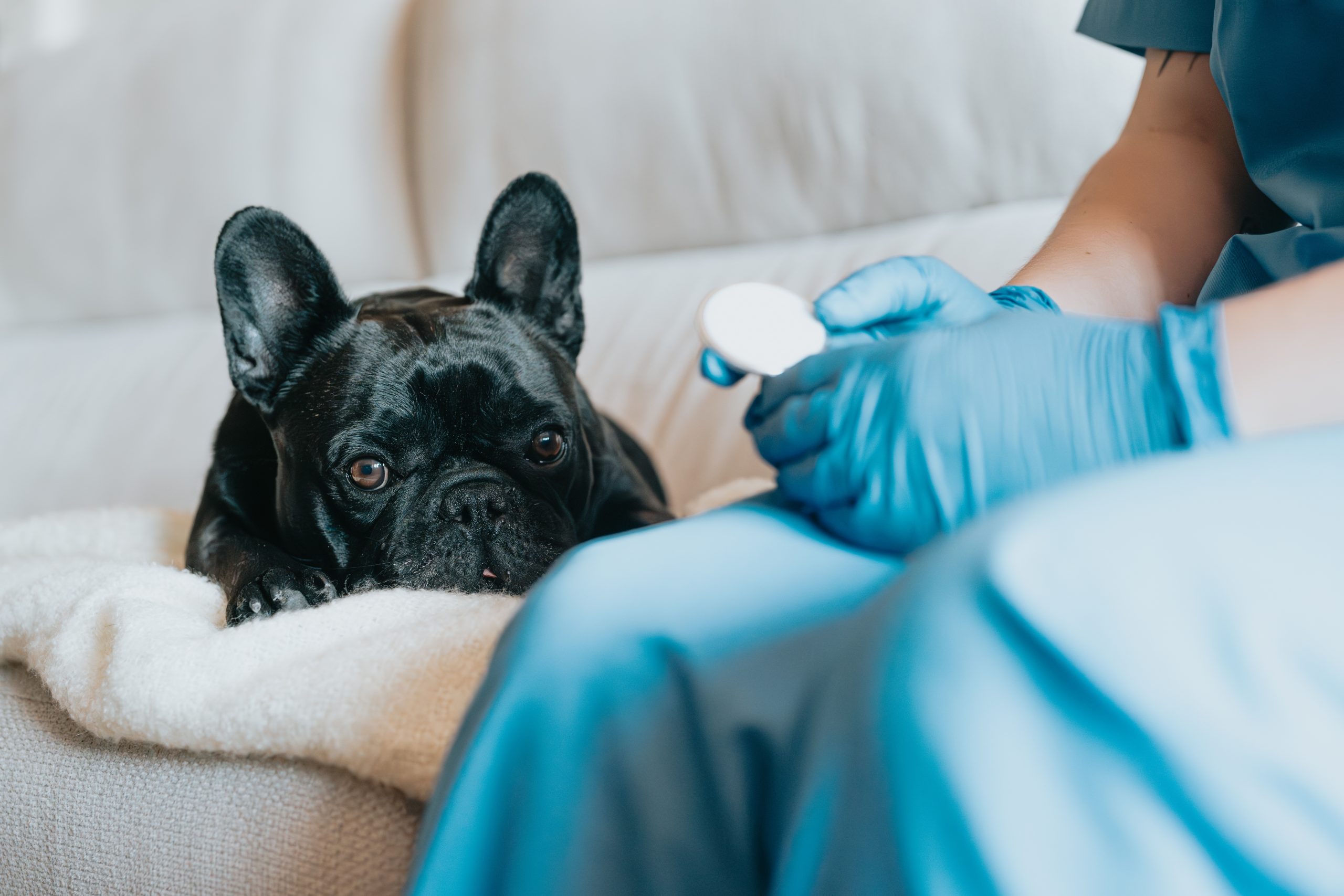
For situations like this, mobile veterinary services are a helpful choice. We come directly to your home, where your cat already feels more relaxed. This keeps the stress of travel out of the picture. It also lets us observe their usual behavior in a calm environment. We use that setting to evaluate their anxiety level and talk about solutions that fit your pet’s lifestyle. Acting early can prevent patterns from getting worse over time.
Long-Term Habits That Reduce Sound Sensitivity
We can build habits all year that reduce how cats respond to noise. One helpful method is sound desensitization. That means we play low-level recordings of thunder or fireworks while doing something positive, like feeding treats or playing. Over time, this builds new associations and reduces fear. It works slowly but often shows good results when done with care.
We also focus on maintaining a steady home environment. Feeding at regular times, keeping rooms familiar, and adding play sessions help build resilience. Cats that feel secure daily often cope better when something unusual happens. Sometimes, exposure to new sounds, like kitchen clatter or vacuum cleaners, can slowly expand their tolerance too. That said, this should be done gradually. If your cat shows extreme fear, it’s okay to stop and adjust. Not every cat responds the same way, so watching their comfort level guides the process.
How Older Cats Handle Thunderstorms and Fireworks
Senior cats often need special attention during loud events. Their hearing may change with age, and so does their reaction to stress. Some may startle more easily, while others become confused or restless. When a cat already has age-related conditions like arthritis or cognitive changes, these events may feel even more overwhelming.
In these cases, making the home easy to navigate helps. We avoid moving furniture and keep paths open so they don’t get stuck or stressed. Soft lighting and familiar smells ease their way back into routine once the noise stops. If mobility is an issue, placing cozy beds and litter boxes closer to their hiding area prevents discomfort. For cats with health conditions, it’s wise to prepare in advance. A quiet check-in through contacting a mobile veterinary team gives peace of mind and may reveal adjustments we hadn’t considered.
Supporting Cats Who Live With Other Pets
When cats live with other pets, their reactions to storms and fireworks can vary even more. One cat may remain calm while the other panics. In these moments, we keep in mind that stress can spread between animals. If one reacts strongly, the others may follow. Giving each pet their own space prevents conflict and lets each one cope in their own way.
Feeding them separately during events helps reduce tension. We also keep playtime calm if one pet seems overly excited or jumpy. If your dog gets anxious, it may influence the cat too. Creating distance, using barriers, or simply keeping the house quieter helps manage the group’s overall mood. Noise doesn’t affect every pet equally, so watching how they interact during loud events helps us support them properly. A peaceful home for one pet often leads to comfort for all.
Working With Mobile Veterinary Services for Behavior Plans
If your cat has repeated anxiety episodes, it may be time to create a specific behavior plan. We guide many families through this step-by-step. One of the advantages of working with mobile veterinary behavior services is how we can observe and plan right inside your cat’s usual surroundings. That lets us suggest changes that match your lifestyle and space.
Some cats need medication during high-stress periods. Others benefit most from environmental changes or structured desensitization routines. We look at every option together, based on what your cat shows us. A behavior plan doesn’t need to be complicated. Often, it’s a mix of small changes and better timing. When we work from home, it’s easier to spot patterns and adjust plans quickly. A mobile approach also limits how much extra stress your cat has to face, which helps the whole process move smoother.
FAQ
What signs show my cat is anxious during storms?
Shaking, hiding, pacing, excessive grooming, vocalizing, or wide eyes can all be signs. Some cats even stop eating or using the litter box.
Can I give human anxiety medication to my cat?
No. Never give human medicine to cats. It can be dangerous or fatal. Always ask a vet before using anything unfamiliar.
Should I let my cat hide, or pull them out?
Let them hide. Forcing them out often increases fear. Instead, make their hiding space safe and check on them quietly.
Do calming collars and sprays really work?
For many cats, yes. But responses vary. Try them before storm season begins to see how your cat reacts.
When should I get professional help?
If your cat injures themselves, refuses food for more than a day, or shows extreme behavior, speak to a vet immediately.