Aging changes pets just as it changes us. Their bodies slow down, their senses dull, and their habits shift. Yet even in their senior years, they still crave purpose, play, and connection. Keeping them active and mentally engaged at home is one of the best ways to preserve their quality of life. We can’t stop the clock, but we can make every day richer and more fulfilling for them.
Understanding the Needs of Senior Pets
As pets age, they often experience a combination of physical and cognitive decline. Joints may stiffen, vision may blur, and hearing might fade. Many owners assume that means it’s time to slow everything down, but complete rest can accelerate decline. The key is balance. Gentle activity and regular mental challenges keep muscles strong and minds alert.
A senior pet’s needs shift from performance to maintenance. We’re no longer trying to tire them out; we’re helping them stay comfortable, confident, and connected to their world. That shift changes how we walk, feed, play, and communicate with them every day.
Adapting Daily Exercise for Aging Bodies
Exercise remains crucial, but it should match your pet’s current ability. Instead of long runs or intense fetch sessions, focus on steady movement and frequent breaks. Short walks several times a day help maintain joint flexibility and prevent stiffness.
If your dog struggles with slippery floors, add rugs or mats along main paths in your home. Cats benefit from easy-to-climb furniture or ramps near favorite perches. Water-based activities, like gentle swimming, can be great for dogs with arthritis. Always watch for signs of fatigue, such as lagging behind or heavy panting, and stop before exhaustion sets in.
Gentle exercise keeps circulation strong and supports digestion, but most importantly, it helps them feel capable. Movement is not just physical therapy—it’s emotional reassurance that they still belong in the rhythm of daily life.
Creating Mental Stimulation Indoors
A senior pet’s brain needs as much exercise as their body. Simple games can keep their mind engaged without physical strain. Food puzzles, scent-based searches, or low-impact training refresh old skills and strengthen your bond.
Rotate their toys every week to maintain novelty. A familiar toy suddenly reintroduced can feel new again. Hide small treats around the room and encourage your pet to find them by scent. It activates their instincts while providing gentle activity.
For cats, window perches overlooking outdoor life can be a source of daily entertainment. If possible, open the blinds or safely secure a screened window so they can smell the air and hear birds outside.
We often underestimate how much small sensory experiences mean to older animals. A familiar smell or sound can ground them, while new sensations help stimulate memory and awareness.
Building a Consistent Routine
Older pets rely on structure. Their confidence often depends on knowing what comes next. When feeding, walking, and resting happen at predictable times, it creates a sense of safety that reduces stress and confusion.
If your pet has begun showing signs of cognitive decline, such as pacing at night or forgetting familiar paths, maintaining a consistent daily rhythm becomes even more important. Consistency provides mental orientation.
Keep mealtimes calm and avoid introducing too many new foods or toys at once. Small, steady changes are easier to adjust to. Even if their world has shrunk to a few rooms in your home, a predictable routine helps them feel in control of it.
Supporting Joints and Mobility
Mobility issues are common in older pets. Dogs may hesitate on stairs, while cats might stop jumping to high places. These are not signs of laziness but pain or stiffness that make movement difficult.
Support them by adjusting their environment. Lower favorite sleeping areas, provide ramps, and place non-slip mats in key areas. Orthopedic beds help relieve pressure on joints and improve rest quality.
Regular light stretching after a short walk can maintain range of motion. Some pets also benefit from gentle massage to increase blood flow and reduce stiffness. Just a few minutes of touch can do more than improve flexibility, it reminds them that their body is still theirs to enjoy.
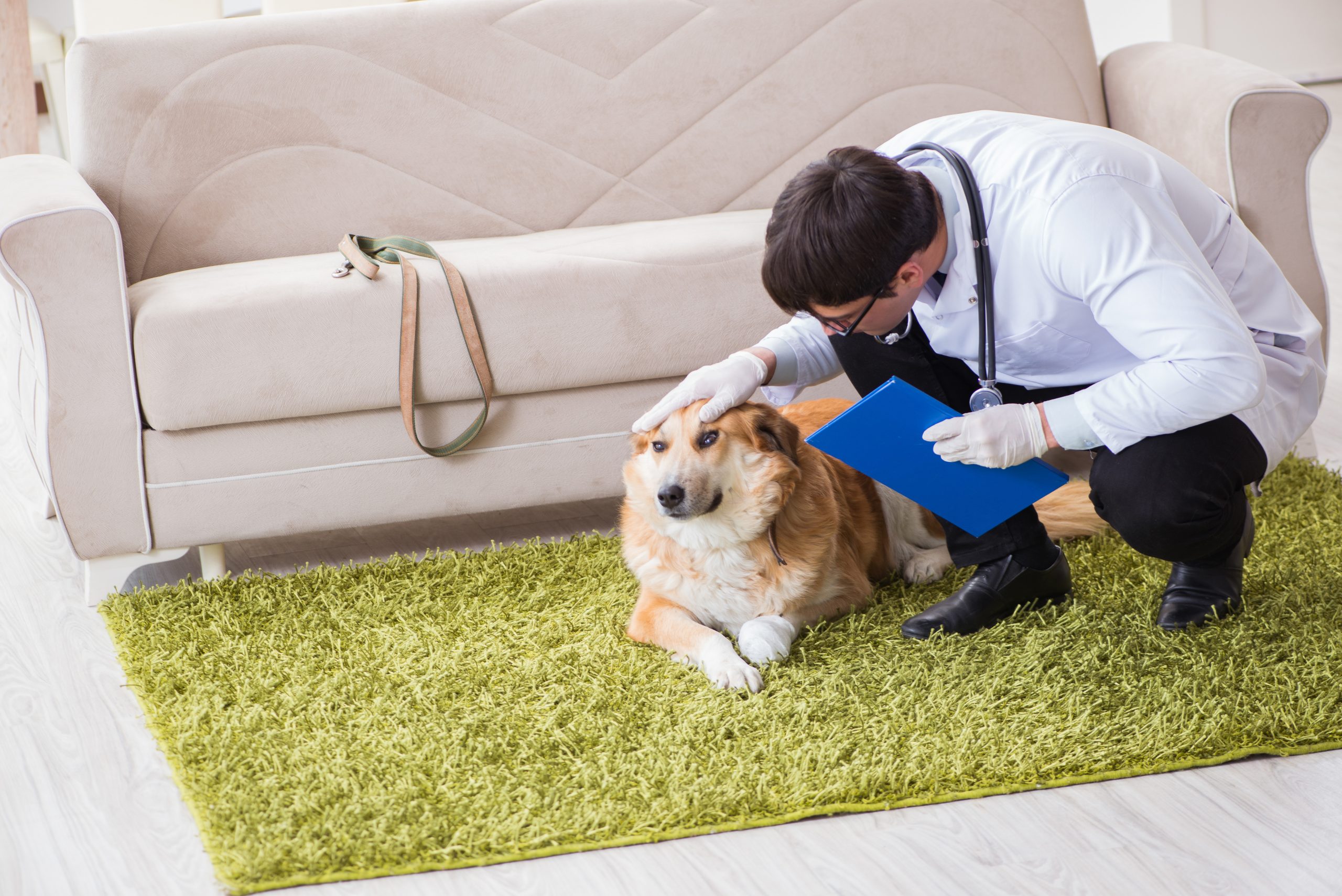
If you’re unsure whether your pet’s slowing pace is normal aging or a sign of discomfort, it’s worth consulting a mobile veterinary professional who can evaluate them at home. This approach helps reduce the stress of clinic visits and allows an accurate look at how they move in their own space.
Adjusting Nutrition for Senior Health
Diet plays a major role in keeping your pet active and alert. As metabolism slows, caloric needs often decrease, but nutrient requirements stay high. Protein supports muscle mass, while omega-3 fatty acids help fight inflammation and support brain health.
Hydration is equally critical. Senior pets are more prone to dehydration, which can affect kidney function and energy levels. Encourage drinking by placing multiple water bowls around the home or using a pet fountain.
If your pet’s appetite changes or their weight fluctuates, it may signal an underlying issue rather than simple aging. A vet can recommend senior-specific food options or supplements suited to your pet’s condition.
Strengthening Emotional Connection
Emotional health directly influences physical health. A senior pet’s sense of joy and security often depends on how connected they feel to you. Even when energy is low, quiet time together keeps their spirit engaged.
Talk to your pet throughout the day. Tone matters more than words, your calm voice tells them they are safe. Light grooming sessions, gentle brushing, or slow cuddling provide both comfort and sensory stimulation.
As pets lose hearing or sight, physical touch becomes their language. When they can no longer see your smile or hear your call, your hand on their fur becomes the message that they still matter.
Encouraging Safe Exploration
Aging doesn’t have to mean confinement. Safe exploration keeps curiosity alive. Rearrange a few toys or beds occasionally to create a slightly new environment. Take slow outdoor strolls to places with fresh scents and sounds.
For cats, even a short trip around a secure balcony or backyard enclosure can revive old instincts. Dogs can explore nearby parks at a calm pace. The goal is not distance or endurance but gentle discovery.
When pets engage their senses in new ways, it keeps their mind sharp. Every smell, texture, and sound helps preserve memory and orientation.
Using Play as Therapy
Play remains essential, even for seniors. The form simply changes. Replace intense fetch with gentle tug or treat-based games. Offer soft toys that don’t strain their jaws or teeth.
For cats, toys that move slowly mimic prey behavior without demanding fast reactions. Use wands or feathers with slow movements to accommodate aging reflexes.
Play is not about performance; it’s about shared joy. It reminds your pet that life still holds surprises worth chasing.
Recognizing Early Cognitive Changes
Cognitive dysfunction in senior pets can resemble dementia in humans. Symptoms include disorientation, disrupted sleep, anxiety, or forgetting familiar cues. These changes often appear gradually.
Simple habits can help slow progression. Maintain consistent routines, use night lights to reduce confusion, and avoid rearranging furniture unnecessarily. Keep their sleeping area close to yours if possible. Hearing your movements at night can comfort them.
Mental exercise, like gentle training refreshers or food puzzles—helps preserve awareness. Some pets benefit from specific diets or supplements that support brain health. Discussing these options with a vet is always worthwhile before making adjustments.
Supporting Sleep and Rest
Rest becomes more important as pets age. Deep, uninterrupted sleep helps repair tissues and restore energy. However, discomfort or anxiety can disrupt rest. Provide a quiet space away from household noise, and ensure their bed supports joints properly.
Temperature also matters. Older pets are less able to regulate body heat. Keep their resting area warm in winter and cool in summer. Even a small draft can cause stiffness or restlessness.
If your pet wanders at night or struggles to settle, consider adding soft background noise like a low-volume radio. The gentle sound can help mask anxiety triggers and support better sleep.
Monitoring Subtle Health Changes
Small changes often reveal larger health issues in senior pets. Pay attention to how they eat, walk, and interact. Slower eating, frequent urination, or sudden mood shifts can indicate discomfort or illness.
Keep a simple notebook or use your phone to track daily patterns. When something changes, it helps your vet identify the cause faster. Observation becomes a form of love.
If you notice ongoing discomfort or new behaviors that concern you, it’s best to contact us for advice or an at-home evaluation. Early intervention often prevents larger problems later.
Making Your Home Senior-Friendly
A senior-friendly home reduces stress and risk of injury. Keep essentials like food, water, and beds on one level if possible. Avoid sudden temperature changes between rooms.
Soft lighting can help pets with poor vision navigate safely. Clear walkways of clutter and cords that could cause tripping. For cats, consider lowering litter boxes with shallower sides to make access easier.
A little environmental planning creates independence. When your pet can move comfortably through their home, they feel capable instead of limited.
Encouraging Purpose Every Day
Purpose gives life meaning at any age. Even a simple daily ritual, like greeting you at the door or watching you cook—keeps your pet emotionally engaged. Let them “help” in small ways, whether sitting beside you during work or waiting patiently while you garden.
The more they feel included in your life, the stronger their mental and emotional health will remain. We may think we are caring for them, but in truth, they still care for us too.
FAQ
How often should I exercise my senior pet?
Short, gentle walks two or three times a day are often ideal. Focus on frequency and comfort rather than distance. Adjust the duration based on their energy level and joint condition.
What are signs that my senior pet is in pain?
Look for changes in posture, reluctance to climb or jump, loss of appetite, or sudden irritability. Pain in older pets often appears as subtle behavioral shifts rather than obvious limping.
Can mental exercises really help with aging?
Yes. Activities that involve problem-solving or scent work stimulate neural pathways. Regular mental engagement can delay cognitive decline and maintain confidence.
When should I change my senior pet’s diet?
If you notice weight changes, decreased appetite, or digestive issues, it’s time to discuss diet adjustments with your vet. Senior-specific formulas often include nutrients that support joints and brain function.
Is it normal for older pets to sleep more?
Increased sleep is common, but excessive lethargy can signal health problems. The goal is deep, restful sleep paired with alertness when awake. If your pet seems unusually withdrawn, a veterinary check is wise.