Arthritis in pets doesn’t usually show up all at once. It builds slowly, and often, pets find ways to hide the pain. We tend to notice only when they limp or struggle to move, but by then, joint damage might already be serious. Learning what to watch for early helps us respond faster. With small changes in behaviour, posture, or routine, we can catch signs of discomfort before it worsens. That means fewer flare-ups, less pain, and a better daily life for both dogs and cats.
Watch for Changes in How They Move
Dogs and cats who once moved freely may begin to hesitate with simple actions. We may see them avoid jumping onto furniture, hesitate before going up stairs, or stop running during play. These small changes in movement often appear gradually, so we might not realize something’s wrong right away. However, pets adjust their habits when joints begin to ache.
In dogs, a common early clue is slower walking or stiff steps after rest. For cats, they might stop climbing their usual shelves or stop leaping onto countertops. Sometimes, they shift weight away from one leg or favor another when turning. These are not just signs of aging. They may point to early joint pain that could benefit from attention.
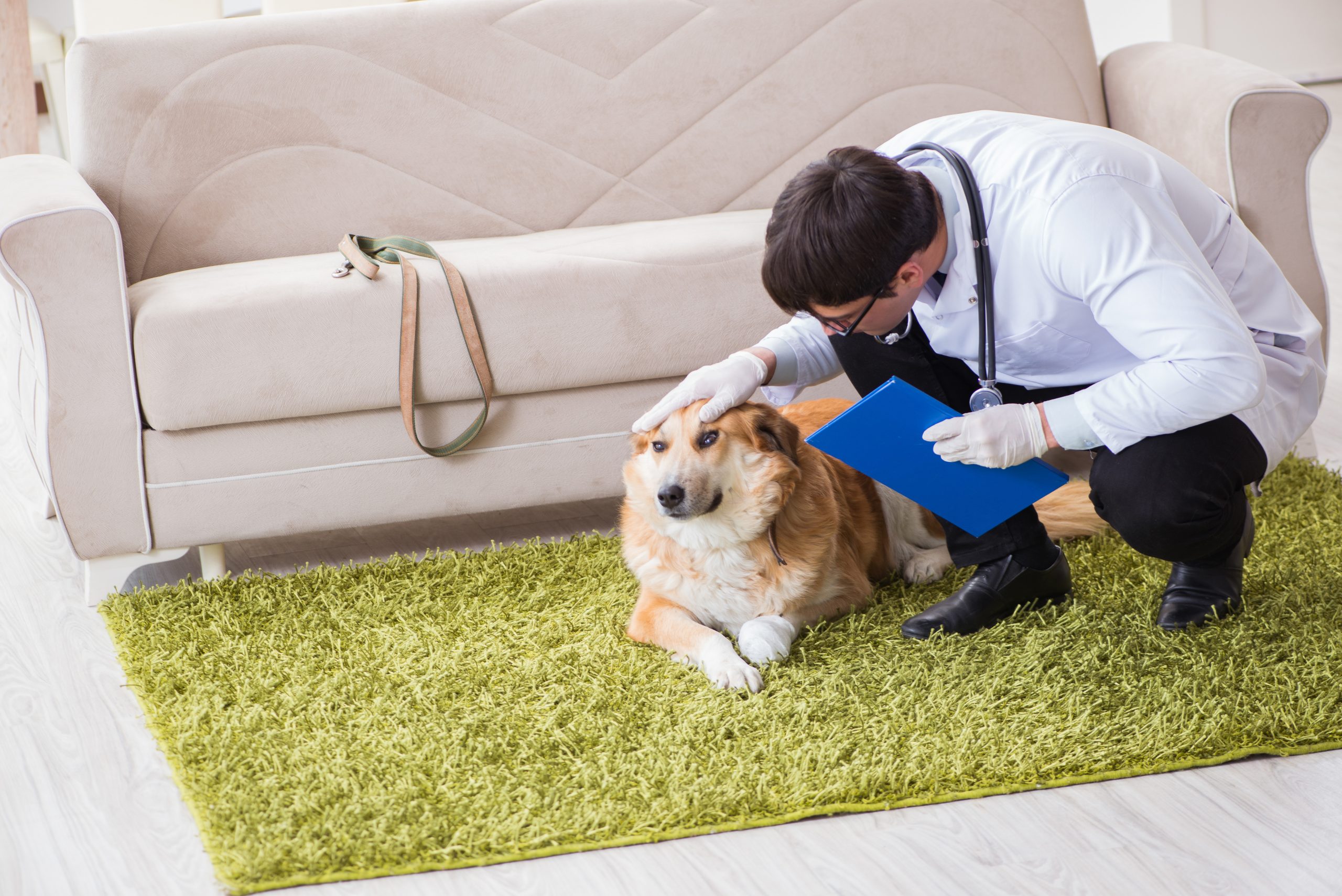
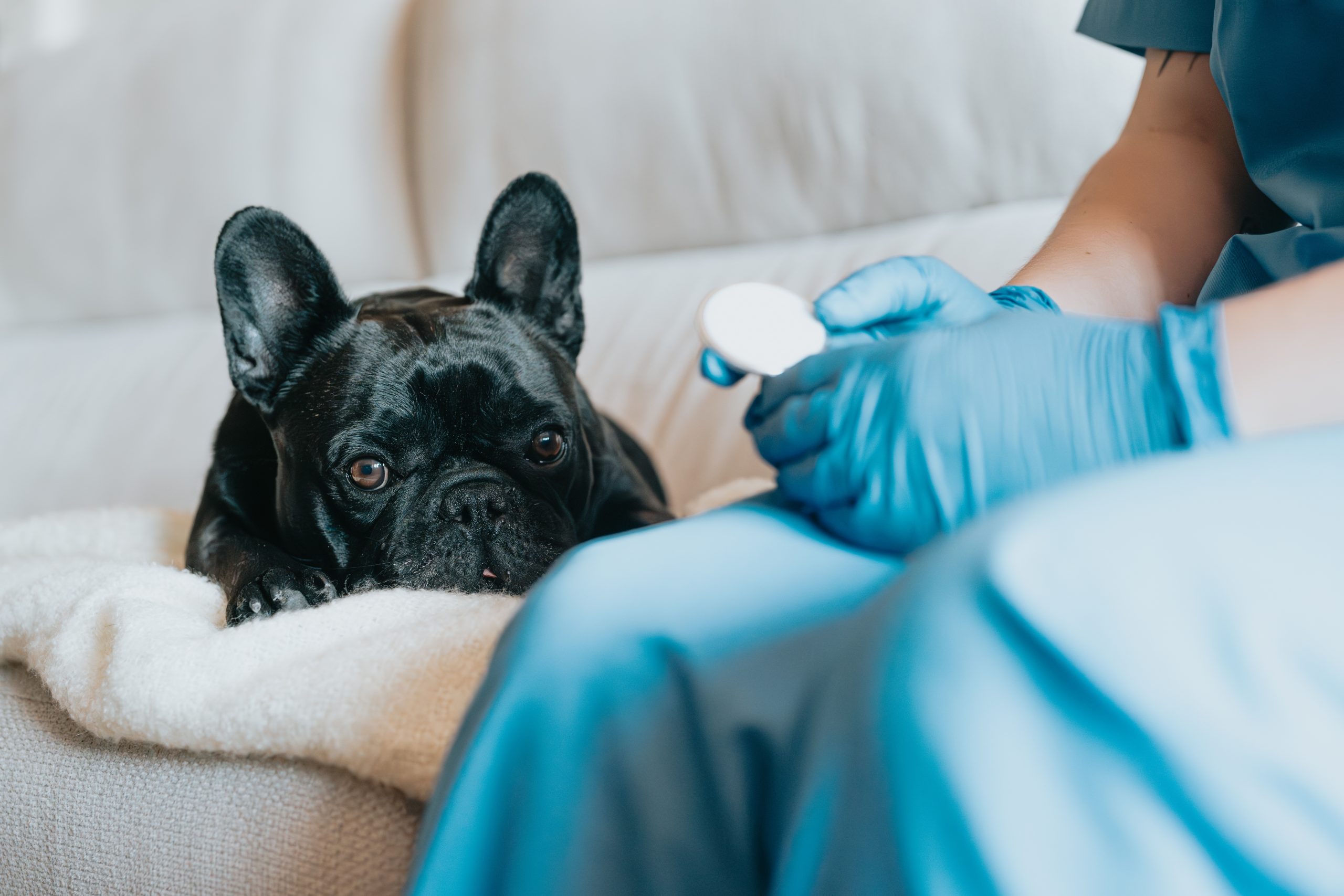
If your pet shows these signs, it’s smart to speak with a provider of mobile veterinary services who can observe them in their natural setting. Subtle issues show up more clearly at home than in a clinic.
Pay Attention to How They Sleep and Rest
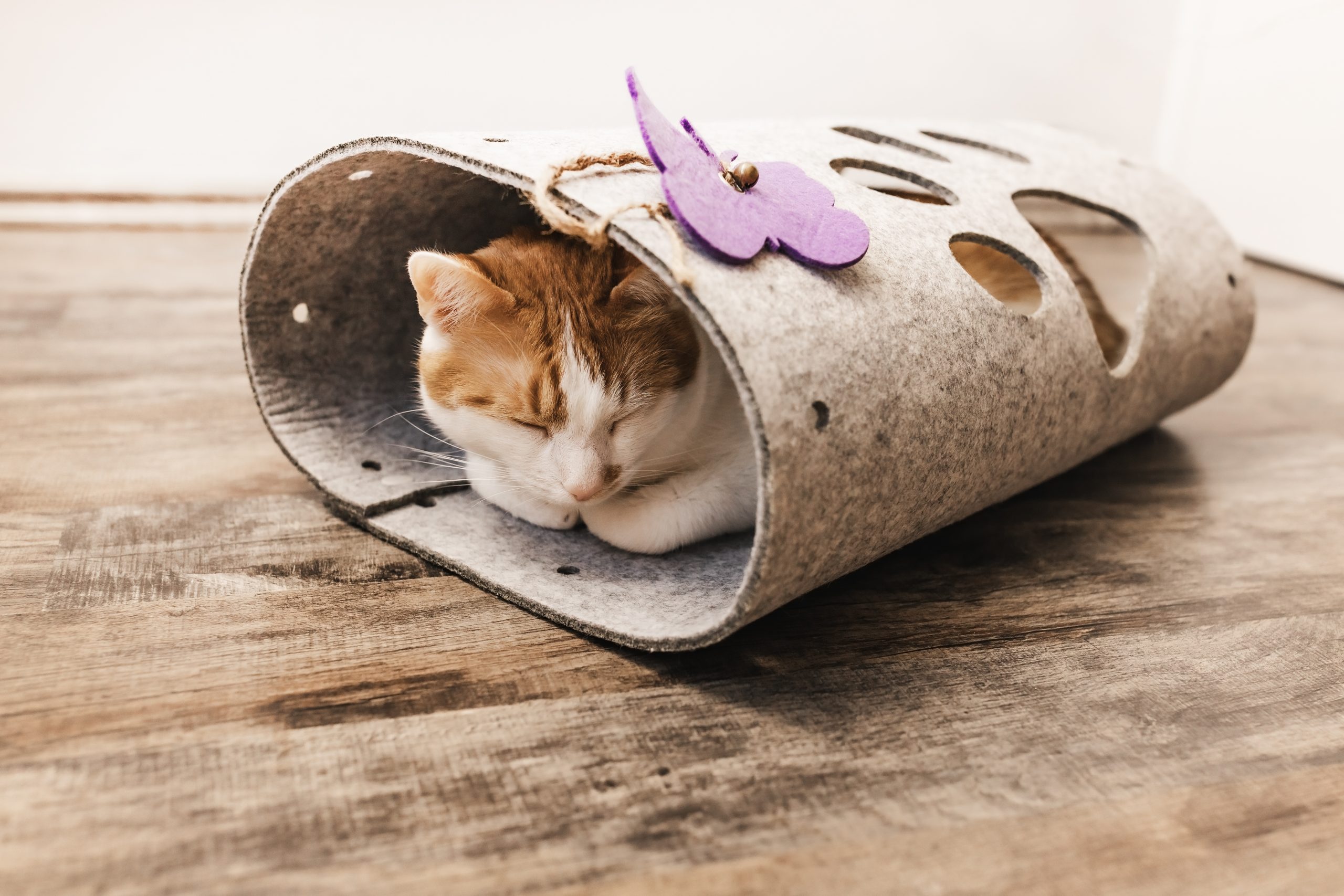
Pets with early arthritis often change where and how they rest. We may notice our dog no longer curls up on their favorite hard floor and instead seeks a soft bed. Cats might nap more often and stretch less when they wake up. They may seem stiffer in the morning or after sleeping for a few hours.
These shifts suggest joints are uncomfortable during still periods. As arthritis progresses, rest positions become more cautious. For example, your pet might avoid lying down fully or change positions frequently during sleep. Some may avoid laying on one side altogether.
These details are easy to miss if we’re not actively looking. That’s why daily observations matter. By noting these rest changes early, we can adjust their bedding and bring it up during routine mobile vet visits, especially during at-home animal health assessments.
Check for Grooming Differences in Cats
Cats in pain often stop grooming certain spots. We might see clumped fur on their back or hips, especially near joints. These spots may look dusty or oily and lack their usual shine. Since cats are naturally tidy, changes in their coat usually mean something’s bothering them.
They may also react differently when touched. A cat that once enjoyed back scratches might flinch or pull away. If arthritis affects the spine or hips, this sensitivity may appear when lifting them or brushing near their tail.
Cats with early arthritis might also groom less due to reduced flexibility. We’ll sometimes see signs like mats on the belly, neck, or legs. This isn’t laziness — it’s discomfort. Recognizing this helps us act early instead of waiting for swelling or limping to develop.
Look for Behavior Changes Around Routine Activities
Joint pain doesn’t always show during active play. Sometimes, it’s hidden in everyday habits. For example, a pet might avoid narrow hallways, slippery floors, or spaces they once explored. They may pause before stepping down from the bed or need encouragement to go outside.
Our team notices early behavior changes when pets hesitate during feeding, stop using litter boxes, or shift their walking routes indoors. Some pets also start vocalizing more when climbing stairs or jumping, which may signal discomfort or surprise from joint strain.
Cats might urinate outside the litter box simply because bending down becomes painful. Likewise, dogs might skip meals if reaching bowls causes discomfort in their neck or shoulders. We often spot these clues early when using mobile veterinary checkups in the pet’s regular environment, which helps reveal patterns missed in a clinic setting.
Monitor Muscle Condition and Body Shape
Over time, pain leads to muscle loss. Pets in early arthritis stages may favor one leg, causing the unused side to weaken. Their muscles may shrink slowly, especially near the hips, thighs, or shoulders. We may not notice it right away, but comparing both sides can help us spot differences.
In dogs, the back legs might look thinner or softer, and their backs may develop a slight dip. In cats, subtle body changes often show in the hindquarters, and their walk may shift slightly. They might tuck in one leg or swing their hips differently when walking.
Loss of muscle isn’t just about age. It usually means a pet is compensating for discomfort. Noticing this early allows us to build a care plan that protects muscles, supports joints, and prevents further imbalance.
Observe How They Interact With You and Other Pets
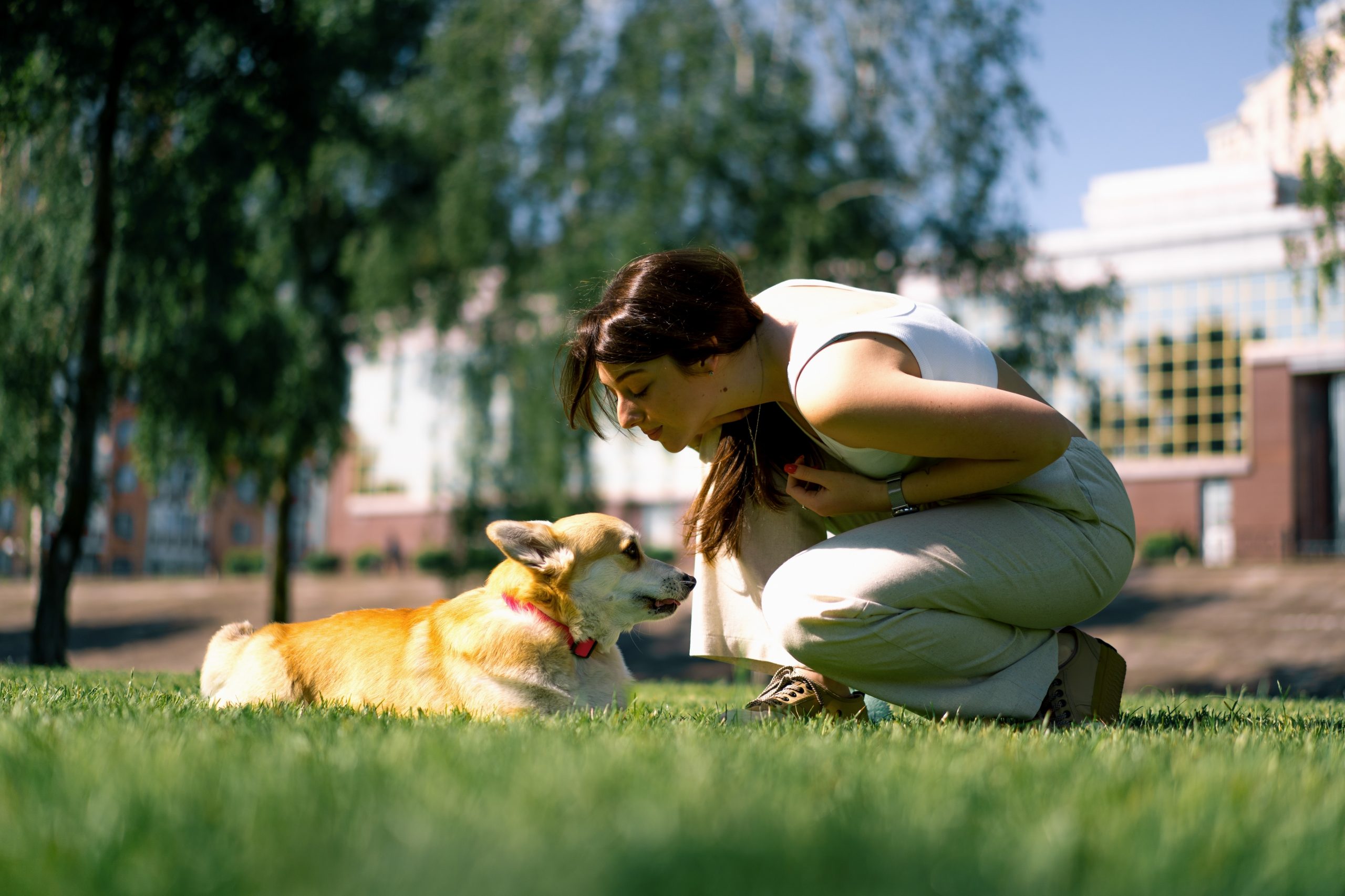
A pet in pain may act more distant. Dogs that once followed us from room to room may now stay put. Cats may hide under furniture or sleep in quiet corners they never used before. These shifts in social behavior often go unnoticed because they happen gradually.
Sometimes, pets become more irritable. They may snap when touched unexpectedly or avoid affection. Others may grow anxious or clingy because they don’t feel secure. Interactions with other pets may also change — playful chases might stop, or roughhousing may lead to growls or swats.
Social shifts are one of the earliest signs we can observe at home. They don’t always mean arthritis, but when combined with movement or grooming changes, they become more meaningful. Knowing how our pet normally behaves helps us recognize when something’s off.
Feel for Joint Warmth or Swelling
We don’t need medical training to notice inflammation. When joints swell, they may feel slightly warmer than usual. Gently feeling the elbows, hips, or knees can reveal puffy or firm areas. If your pet flinches when you touch these joints, it might signal tenderness.
Swollen joints aren’t always visible unless the swelling is extreme. That’s why using our hands matters. A soft bulge near a knee or heat in a shoulder joint could be one of the few visible signs during early stages.
Not all pets will react or show signs of pain, so we shouldn’t wait for limping. By including a physical check during regular petting, we can stay aware of changes. If we spot anything unusual, mobile care makes it easier to get a quiet and focused checkup without stress.
Watch for Changes in Appetite or Bathroom Habits
When joints hurt, eating and potty habits sometimes change. Some dogs might eat less because bending their head down feels hard. Cats may drink less if reaching a bowl on the floor becomes uncomfortable. Even mild discomfort in their neck or legs could affect this.
Bathroom habits can shift too. A cat might stop using the litter box if stepping into it becomes painful. A dog might avoid going outside during cold or damp weather because it makes their joints ache more. Sudden accidents in the house may happen as they try to avoid discomfort.
While these habits may relate to other issues, in combination with other signs they may indicate arthritis. These are small signals, but noticing them early can help slow down future complications and give pets more comfort.
5 FAQs About Early Arthritis in Pets
What is the first sign of arthritis in pets?
Most pets show hesitation with movement first. They may slow down after resting or stop jumping onto surfaces they used to enjoy.
Can arthritis happen in young animals?
Yes, it can. While more common in older pets, some dogs and cats develop joint issues earlier due to genetics or injury.
How do I know if it’s pain or just aging?
Pain changes behavior. If your pet avoids certain actions, shows stiffness, or reacts to touch, it’s likely more than just age.
Do pets cry or whimper with arthritis?
Not always. Many pets stay quiet even with discomfort. Instead, they show signs through posture, grooming, or interaction changes.
What can I do if I notice several signs?
Keep a simple daily journal of what you see, then reach out for a calm mobile veterinary consultation at home where your pet feels safe. This helps make the process easier for both of you.