Helping an aging dog move around the house safely takes more than a soft bed or some treats. As dogs grow older, they start to struggle with everyday actions like standing up, climbing stairs, or even walking across hardwood floors. We can make life more comfortable for them at home by adjusting their environment and habits without adding stress or pain. The small changes we make now can give our pets the confidence to stay active, comfortable, and secure even with limited mobility.
Set Up a Mobility-Friendly Home
Dogs with stiff joints or reduced balance often hesitate when the flooring feels slippery or when a step is too high. One of the easiest things we can do is provide better traction on the floor. Area rugs, carpet runners, or rubber mats give their paws a better grip. These are especially helpful near food bowls, sleeping spots, or any area where they turn around often.
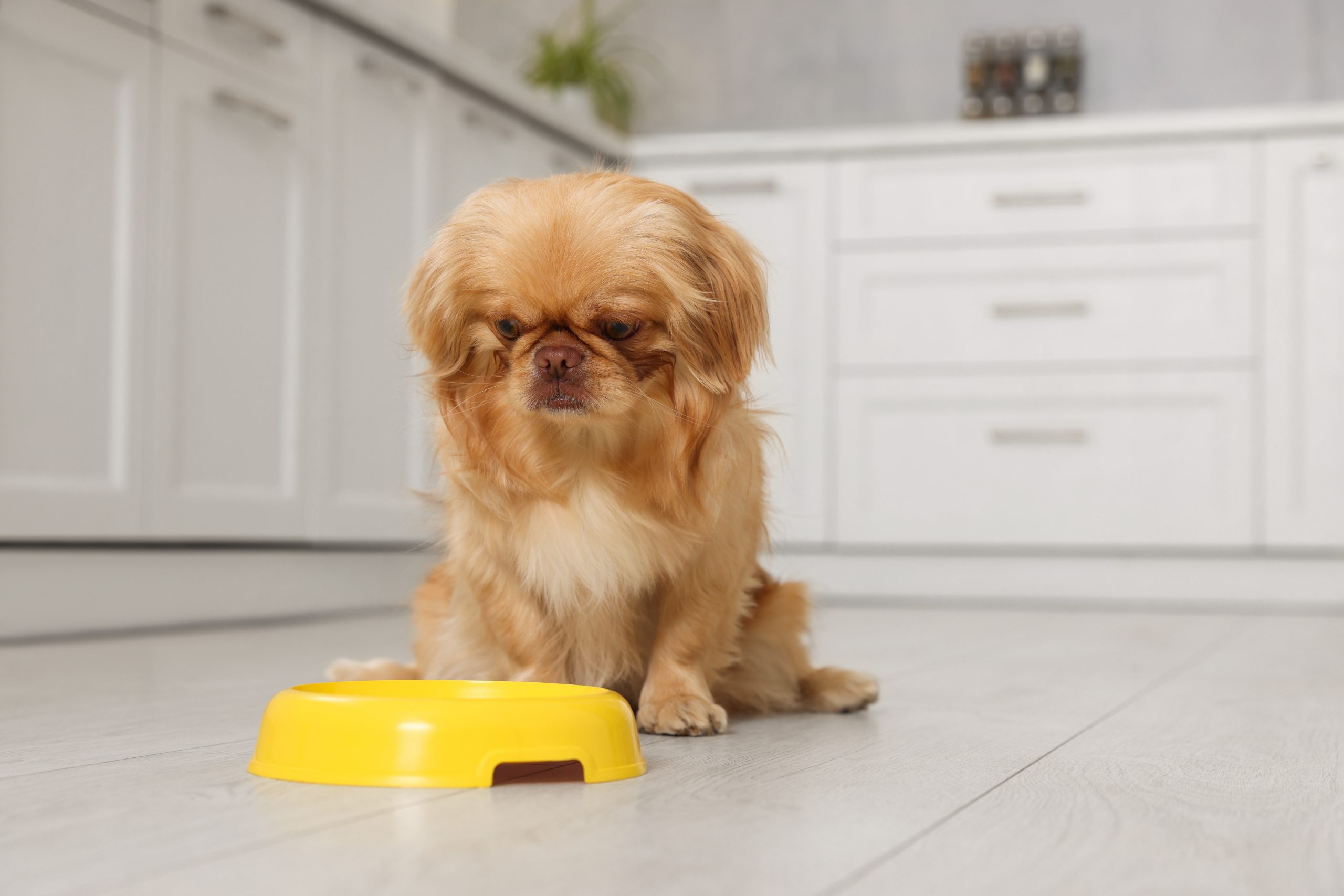
In other cases, small ramps help replace steps for easier access to couches, beds, or outdoor spaces. These ramps need to be stable and gently angled so that dogs don’t have to struggle. Raised food bowls can also reduce strain on the neck and shoulders, which helps dogs feel more comfortable during mealtime. To prevent stress-related injuries, it’s also smart to keep pathways clear of clutter and sharp corners.
We’ve seen many pet owners install baby gates to block off stairs or rooms that are harder to manage. This keeps older dogs on one floor of the home, limiting their need to navigate risky spots. In homes with multiple levels, sometimes we recommend using a lightweight dog sling or harness for assistance.
Adjust Daily Routines for Comfort
Every older dog benefits from a slower pace and a predictable schedule. Sudden changes in routine can cause anxiety, especially when joint stiffness or muscle weakness is involved. For example, walking them at the same time each day helps them mentally prepare, and they don’t rush or resist as much. If they enjoy short walks, keeping the terrain level prevents tripping or overexertion.
Some dogs prefer to rest more than they used to, and that’s okay. What we focus on is helping them move frequently in short sessions. Gentle stretches or a short walk across the yard still keep muscles active. Adding soft bedding in more than one spot helps too. That way, they’re never too far from a resting area when they need to lie down.
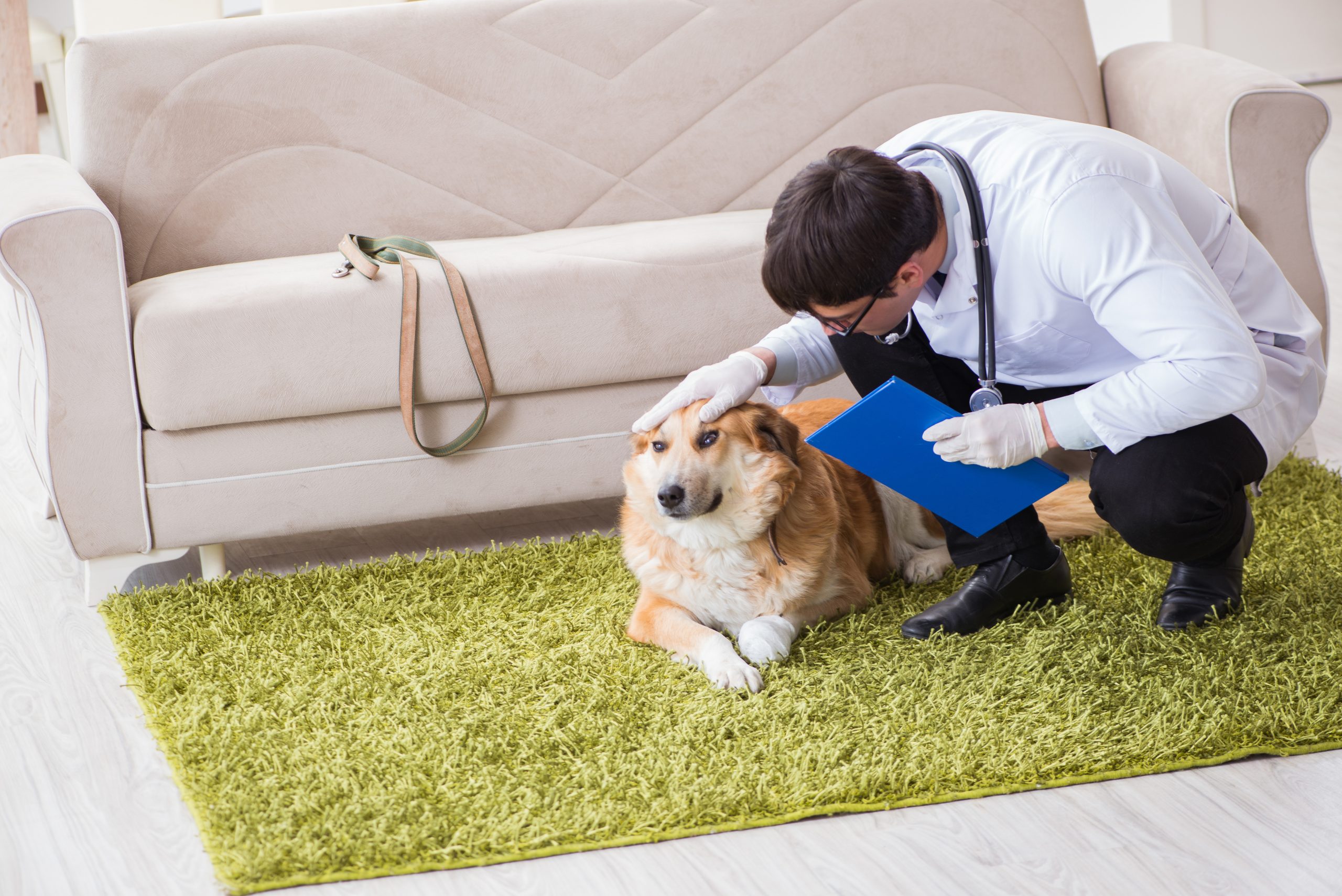
For pets that become more reluctant to walk or go outside, we usually check in with our mobile veterinary care services to rule out discomfort or medical causes. Sometimes joint pain or arthritis makes movement feel worse than it looks. By catching this early, we can adjust routines while improving their mobility without pushing their limits.
Learn the Signs of Movement Pain
Not all limping or stiffness means arthritis, but many of the early signs are easy to miss. One of the most common signs is hesitation when getting up. If a dog stays lying down longer than usual or struggles to rise, we start watching closely. Other signs include a change in posture, slower walking speed, or avoiding stairs. Some pets may lick or chew at sore joints or hesitate to jump into a car or onto furniture.
Behavior changes also tell us a lot. A dog who once followed us around the house may now wait on the couch or show less interest in playing. If the change happens suddenly, it’s a good idea to document when and how often it occurs. This information helps during vet assessments. During visits, we ask owners about sleep patterns, appetite, and bathroom habits, since these can also shift when a dog is uncomfortable.
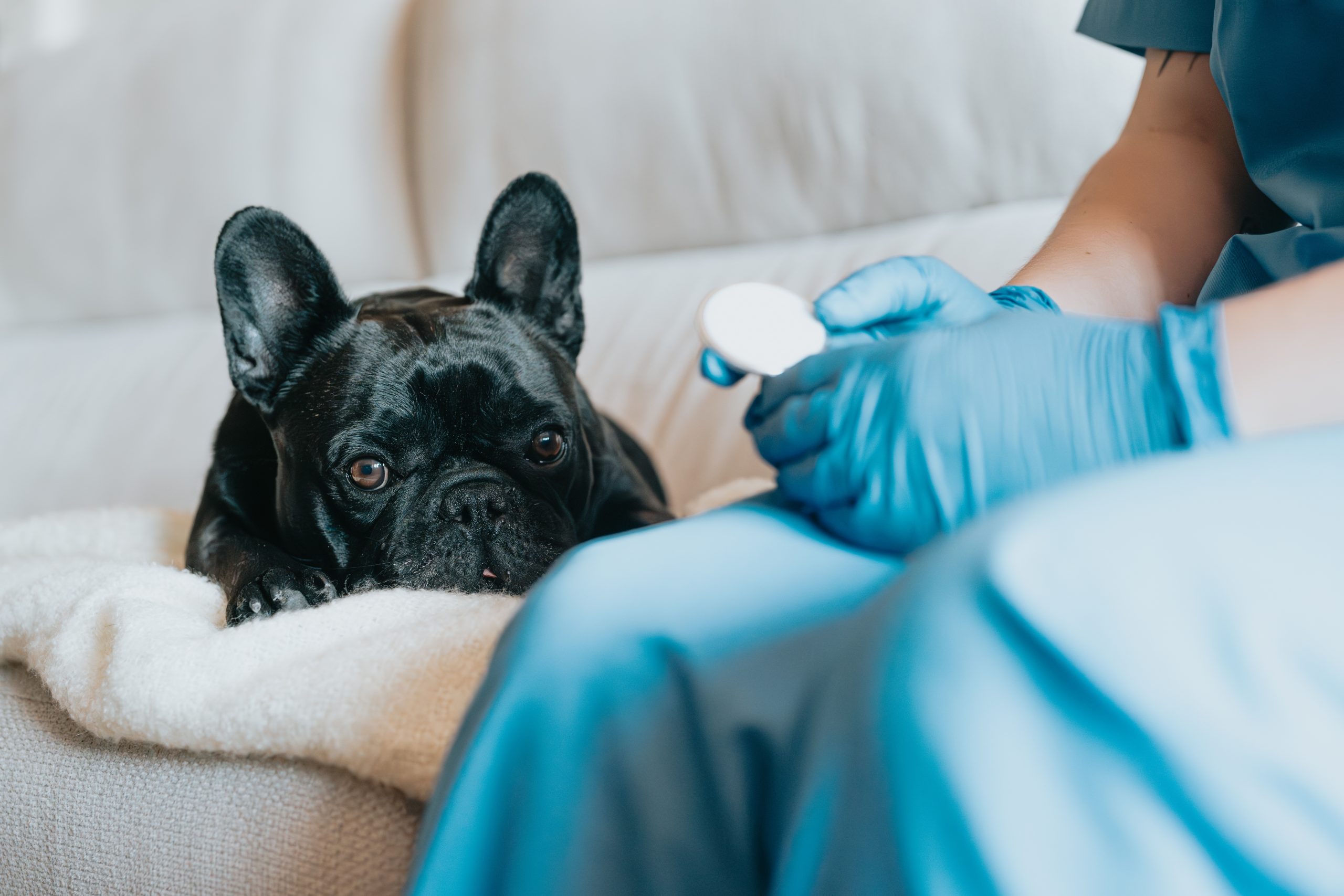
We usually recommend early checkups with a mobile veterinary pain management expert who can evaluate your dog in their home environment. This reduces stress and gives us a better view of how your dog acts in their safe space. In some cases, it’s not just pain but a combination of stiffness, muscle loss, or past injuries slowing them down.
Support Mobility With Safe Activities
Low-impact activity is still necessary, even when a dog has arthritis or reduced movement. Controlled movement prevents muscle atrophy, which in turn helps support their joints. We begin by creating safe, short activity sessions that include walking in the yard, light play indoors, or simple obstacle navigation like weaving through furniture at a gentle pace.
Some dogs respond well to at-home massage. Gentle strokes down the back and legs help improve blood flow and loosen tight areas. Before starting, it’s important to understand where not to press or pull. When in doubt, a short consult with an animal physiotherapist gives us confidence to safely do it ourselves. Tools like orthopedic pet mats or memory foam beds can also support these sessions.
One tip we often give is to watch the weather. Cold mornings and wet conditions make dogs stiffer, so we time walks and outside breaks for mid-morning when it’s warmer. In summer, we do the opposite to avoid overheating. These adjustments help dogs move with less discomfort, especially those with inflammation in their hips or knees.
For more ideas on keeping aging pets active, we usually turn to trusted mobile veterinary mobility guides that focus on pain-free support methods designed for home use.
Use Tools That Reduce Strain
There are many simple tools available that help senior dogs move more easily. These tools don’t fix the problem, but they do make everyday life smoother and reduce pressure on sore areas. One helpful item is a rear-end harness. These fit around the hips and allow us to gently lift a dog’s back legs during walks or when getting into cars.
Traction socks or dog boots also make a big difference for slippery floors. Not every dog tolerates them well at first, but once adjusted, they provide better control and balance. Elevated water bowls and non-skid food mats help prevent unnecessary leaning and sliding during meals. Dogs with stiff necks or shoulders often feel more comfortable with these simple upgrades.
Some owners install small night lights in areas their dog uses at night. Vision issues can make movement riskier after dark. If a dog wakes to drink water or change rooms, this soft lighting helps them feel confident and avoid bumping into walls or furniture. When we pair these tools with our dog’s habits and routines, they stay more independent without hurting themselves.
Keep Weight and Nutrition in Check
Weight gain is one of the biggest contributors to pain in senior dogs. As their metabolism slows and their activity decreases, it’s easy for pounds to sneak on. Even a small amount of extra weight puts pressure on joints, which increases pain. We keep meals portioned and monitor snacks closely. Switching to senior-specific formulas helps maintain muscle without adding calories.
Omega-3 supplements, joint-friendly ingredients like glucosamine, and veterinarian-approved diets are all options to support mobility. We always recommend discussing diet changes with a mobile vet who has access to recent health history. This ensures we’re not missing conditions like thyroid changes, digestive problems, or vitamin deficiencies.
Water intake matters too. A dehydrated dog becomes stiffer and more sluggish. We check bowls twice a day and keep fresh water available in every room they frequent. Hydration also supports digestion and keeps muscles more flexible. All these factors work together to prevent added strain while supporting safe daily movement.
Frequently Asked Questions
How can I tell if my dog’s mobility is changing slowly or suddenly?
You’ll notice it through delays in standing, less interest in following you, or trouble on stairs. Track daily behavior and note any new challenges.
What’s the safest way to help my senior dog upstairs?
Use a padded rear-lift harness for back leg support. Go slowly, one step at a time, or carry them if they’re small enough.
Are ramps better than stairs for aging dogs?
Yes, ramps reduce joint pressure and are easier for dogs with hip or back issues. Make sure the ramp has grip and isn’t too steep.
Can a dog still play fetch with arthritis?
Yes, but modify the game. Use soft toys and toss them short distances on cushioned surfaces like grass or carpet.
When should I ask a vet about mobility aids?
If your dog starts avoiding favorite spots, slipping often, or showing signs of pain, it’s time to consult a vet for tailored options.
Let’s help your dog stay comfortable and confident at home. For one-on-one support or home assessments, you can always reach us through our contact form for mobile veterinary help.