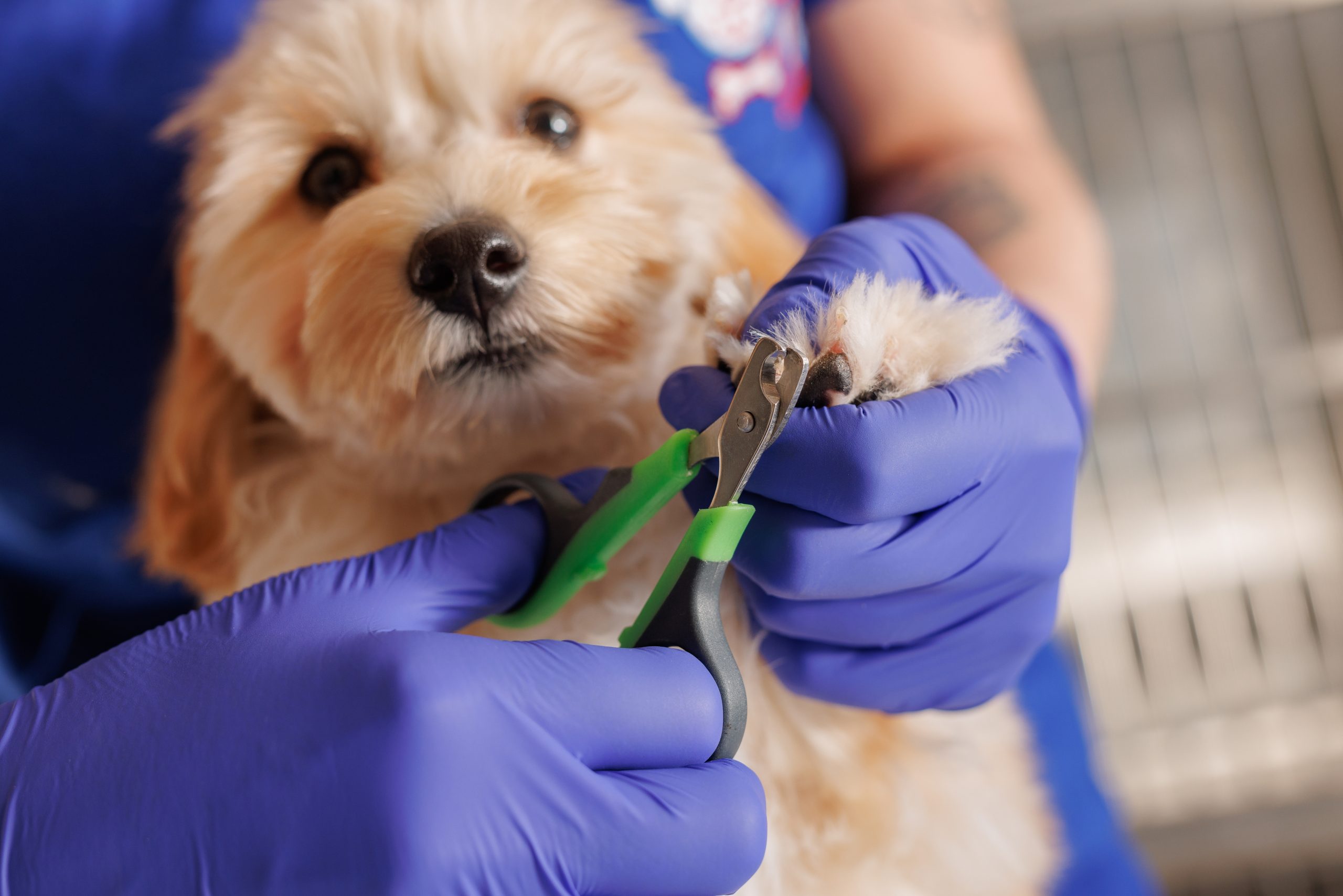
Pets often show early signs of health problems through their skin, and paying attention can help prevent serious issues. Therefore, noticing small changes like scratching or redness allows you to act before the condition worsens. Skin problems are common in both cats and dogs, but early care can keep your pet comfortable and healthy.
Many pet owners wait too long before taking action. In other words, what starts as mild irritation can quickly develop into infection or long-term discomfort. Dr. Wendy focuses on helping families recognize these early signs and respond with practical care at home.
Common Causes of Skin Problems in Pets
Skin issues usually develop from a few common causes, and understanding them makes it easier to manage symptoms. For example, allergies are one of the leading reasons pets develop itchy skin, often triggered by food, dust, or seasonal changes. However, parasites like fleas and mites can also create intense irritation.
In addition, bacterial and yeast infections often appear when the skin barrier becomes weak. As a result, pets may scratch or lick excessively, making the problem worse. Meanwhile, some underlying health conditions can also show through the skin, which is why early attention is important.
If you are unsure about what is causing the issue, getting guidance can make a big difference. You can explore care options through mobile veterinary care, which allows your pet to be assessed comfortably at home.
Early Warning Signs You Should Watch Closely
Spotting early symptoms is the best way to avoid serious skin problems. Firstly, constant scratching or licking is one of the first signs something is wrong. Secondly, red patches, bumps, or flaky skin should not be ignored.
Hair loss is another clear warning sign. Moreover, if you notice bald spots or uneven fur, it may indicate allergies or infection. In addition, unusual smells coming from the skin or ears can suggest bacterial or yeast growth.
Pets may also act differently when they are uncomfortable. Consequently, signs like restlessness or avoiding touch often point to irritation or pain. Acting early can prevent the need for more complex treatment later.
How Daily Life Affects Your Pet’s Skin
A pet’s environment plays a major role in skin health. For instance, seasonal allergies can cause sudden itching, especially during spring and fall. Similarly, exposure to chemicals or cleaning products can irritate sensitive skin.
Diet also affects skin condition. In addition, poor nutrition may weaken the skin and coat, making pets more vulnerable to infections. Therefore, feeding a balanced diet supports both overall health and skin protection.
Regular grooming helps remove dirt and allergens from the coat. However, over-bathing can strip natural oils and lead to dryness. As a result, proper grooming routines are essential for maintaining healthy skin.
Pet owners looking for convenient care can benefit from Cochrane mobile vet services, which support ongoing monitoring without stressful clinic visits.
When to Get Professional Help
Some skin problems require professional attention, especially when symptoms do not improve. For example, if itching continues for several days or worsens, it may indicate a deeper issue. Likewise, open sores or signs of infection should be checked quickly.
Early diagnosis helps prevent long-term discomfort. In addition, proper treatment targets the root cause instead of just managing symptoms. Most importantly, pets recover faster when care begins early.
Home-based care can make the process easier for anxious pets. In the same vein, familiar surroundings help reduce stress during examinations. Services like mobile vet in NW Calgary offer practical support in a calm setting.
Preventing Skin Issues Before They Start
Prevention is one of the best ways to protect your pet’s skin. Firstly, regular checks help you notice small changes early. Secondly, keeping up with flea prevention reduces the risk of irritation and infection.
Clean living spaces also make a difference. That is to say, washing bedding and using pet-safe products helps reduce exposure to irritants. Furthermore, routine care supports long-term health and comfort.
Understanding your pet’s normal habits helps you detect changes quickly. Therefore, any unusual behavior or appearance should be taken seriously. Learning more about your pet’s care journey is easier through resources like about our veterinary approach.
In more serious situations, skin issues may be part of a larger health decline. Consequently, compassionate care such as in-home support for saying goodbye is available when pets need comfort and dignity.
FAQs
What causes most skin problems in pets?
Most skin issues come from allergies, parasites, or infections. These problems can lead to itching, redness, and discomfort if not treated early.
How do I know if my pet’s scratching is serious?
If scratching is constant or leads to sores, hair loss, or changes in behavior, it may be a serious issue that needs attention.
Can food affect my pet’s skin health?
Yes, diet plays a big role in skin condition. Poor nutrition can weaken the skin and increase the risk of irritation or infection.
Is frequent bathing good for skin issues?
Not always. However, too much bathing can dry out the skin and make irritation worse. Balanced grooming is the best approach.
When should I contact a mobile vet?
You should seek help when symptoms persist, worsen, or cause discomfort. Early care helps prevent complications and supports faster recovery.