When our furry friends get older, we want to make sure they stay happy and comfortable. Helping older pets stay comfortable at home becomes a top priority for every loving owner. You might notice your dog moving a little slower or your cat sleeping more often. These changes are a natural part of life, but they do not mean your pet has to be in pain. Our team at Dr. Wendy helps families manage these golden years with care and compassion. By making small changes to your daily routine, you can improve your pet’s quality of life significantly.
Creating a Safe and Accessible Environment
The first step in helping older pets stay comfortable at home involves looking at your house through their eyes. Slippery hardwood or tile floors can be very scary for a senior dog with arthritis. You can place yoga mats or area rugs in high-traffic zones to provide better traction. This simple fix prevents falls and helps your pet move with more confidence. Our team often suggests checking the height of beds and sofas too. If your pet loves to snuggle on the couch, consider adding a small ramp or pet steps.
Lighting is another important factor for aging animals. Just like humans, pets can develop cataracts or lose some of their night vision. You should keep hallways well-lit so they do not bump into furniture in the dark. If you have stairs, make sure the top and bottom are easy to see. Some owners find that baby gates help keep senior pets off steep stairs where they might get hurt. These adjustments make the home a sanctuary rather than a series of obstacles.
Managing Pain and Mobility Issues
Many senior pets deal with joint stiffness and chronic discomfort. You can help by providing a high-quality orthopedic bed that supports their aging joints. These beds distribute weight evenly and take pressure off sore hips and elbows. It is also a good idea to raise food and water bowls. When a pet does not have to lean down so far, it puts less strain on their neck and spine. You can find more details about our mobile veterinary options for those who prefer care in their own living room.
Exercise remains important even as pets slow down. While your dog might not be up for a 5-kilometre run, a slow 10-minute walk is still beneficial. Gentle movement keeps the joints lubricated and prevents muscles from wasting away. You should watch for signs of fatigue or limping during these outings. If your pet seems to struggle, it might be time to discuss a pain management plan. We offer various solutions through our care kit and pricing guide to suit different needs.
Nutrition and Hydration for Senior Pets
What your pet eats plays a massive role in how they feel every day. Older pets often need fewer calories but more high-quality protein to maintain muscle mass. Some senior diets also include additives like glucosamine or omega-3 fatty acids. these ingredients help reduce inflammation and support brain health. You should monitor your pet’s weight closely, as extra pounds put a lot of stress on old bones. Our experts at Dr. Wendy can help you choose the right food for your pet’s specific stage of life.
Hydration is just as vital as nutrition. Many older pets suffer from kidney issues or find it harder to get to their water bowl. You should place multiple water stations around the house so a drink is always nearby. If your cat or dog seems less interested in water, try adding a little bit of warm water to their kibble. This makes the food smell better and increases their moisture intake. Keeping your pet hydrated helps their organs function properly and keeps them feeling more energetic.
The Benefits of At-Home Veterinary Care
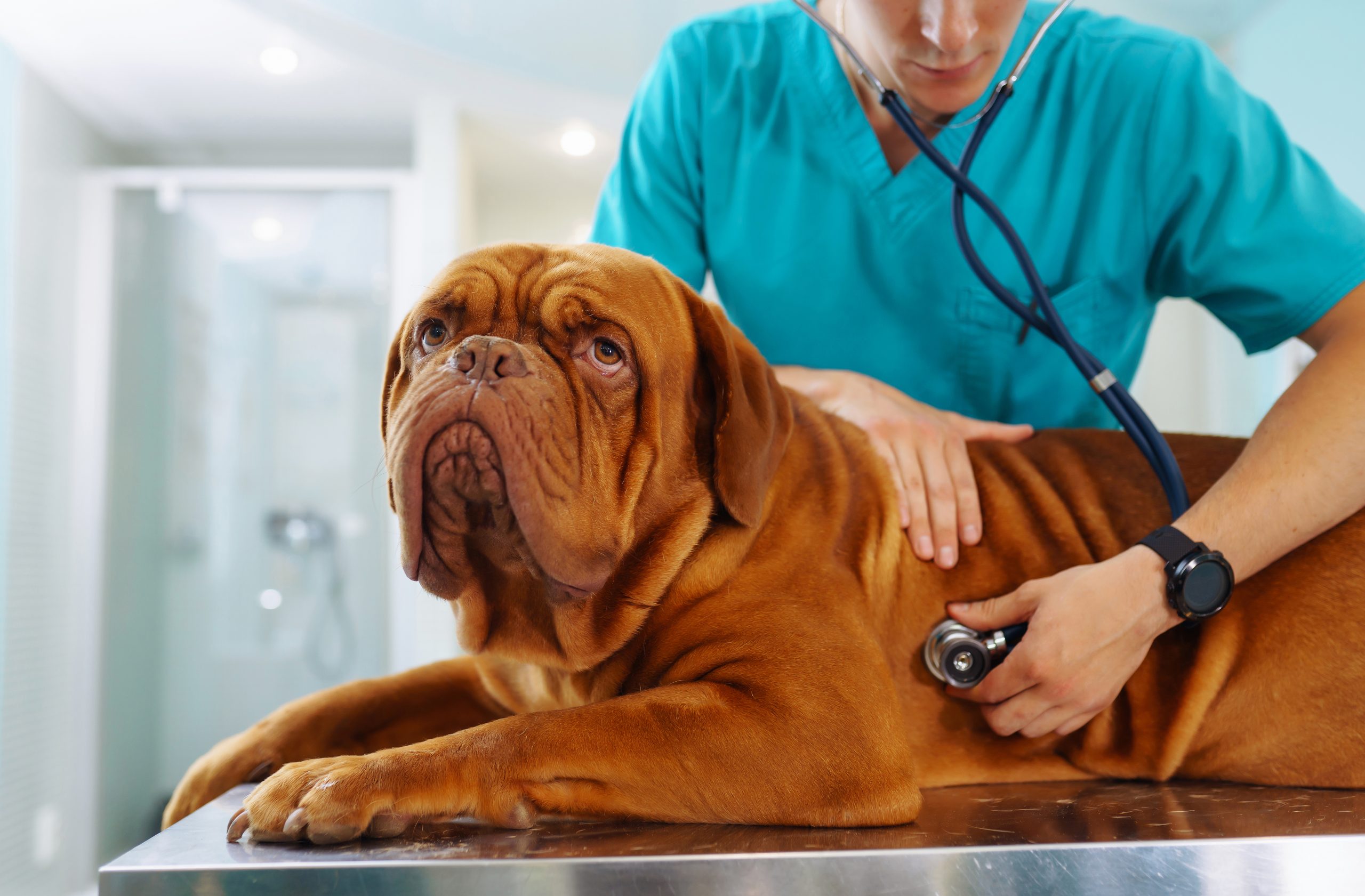
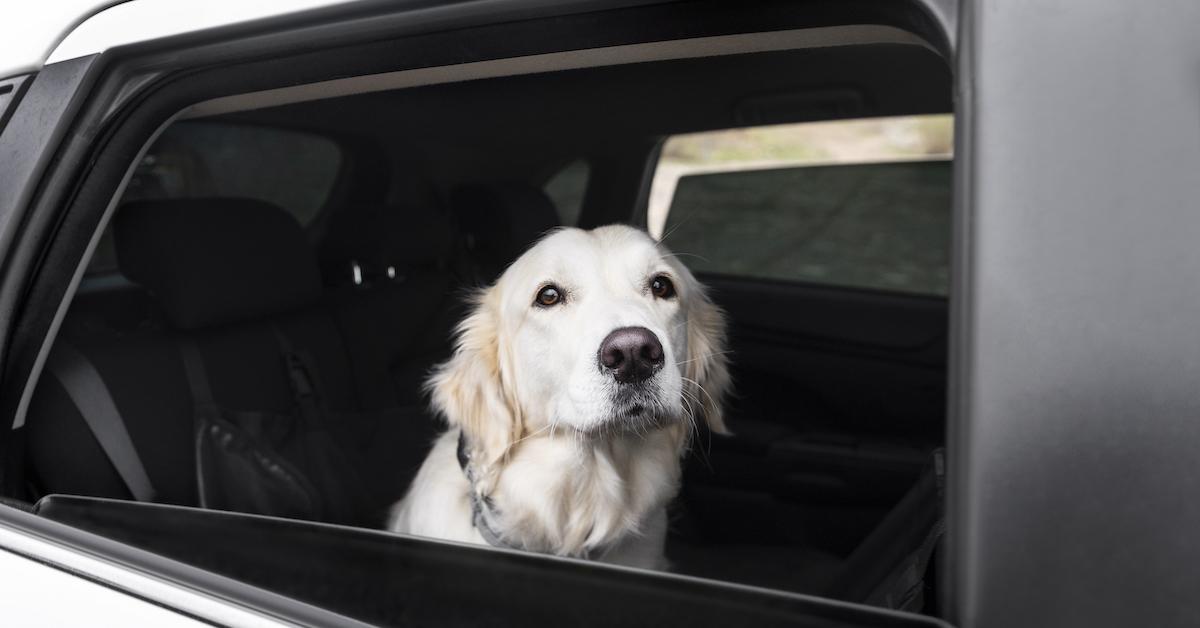
Taking an older pet to a traditional clinic can be very stressful for them. The car ride, the cold exam table, and the smell of other animals can cause anxiety. This is why many families choose a different path for their senior companions. You can learn more about our philosophy of bringing the clinic to your front door. By staying in a familiar environment, your pet remains calm and relaxed during their check-up.
Our mobile service allows us to see how your pet actually moves in their own space. We can point out specific areas in your home where improvements might help. Seeing a pet in their natural habitat gives us a much better picture of their overall health. We believe that helping older pets stay comfortable at home is easier when the vet visits them. This approach saves you time and keeps your pet away from the stress of a busy waiting room.
Monitoring Behavioural Changes
You should pay close attention to any changes in your pet’s personality or habits. Sometimes, what looks like “slowing down” is actually a sign of a medical issue. If your pet becomes grumpy, stops grooming, or has accidents in the house, they might be in pain. Cognitive dysfunction is also common in very old dogs and cats. They might get stuck in corners or forget their house training. Early intervention can often slow these symptoms down and keep your pet feeling like themselves for longer.
Mental stimulation is just as important as physical health. You can use puzzle toys or “sniffing games” to keep their brain active. Even a short session of gentle grooming can be a great bonding moment that provides comfort. Your pet relies on you to be their advocate. If something feels off, it usually is. We invite you to check our mobile veterinary services to see how we support senior animals in the community.
Ensuring a High Quality of Life
Ultimately, our goal is to ensure your pet enjoys their final years to the fullest. Helping older pets stay comfortable at home means providing a mix of medical care and lifestyle adjustments. We focus on comfort, dignity, and the bond you share with your companion. Whether it is adjusting their medication or suggesting a new type of bedding, every small detail counts. We are here to walk this journey with you and provide the support you need.
If you have questions about specific senior health concerns, we have answers. You can browse our f-a-q section for common inquiries from other pet owners. Every pet is unique, and their care plan should be too. Our team at Dr. Wendy is dedicated to making the aging process as smooth as possible for both you and your furry friend. Helping older pets stay comfortable at home is the best gift you can give them after a lifetime of loyalty.
Frequently Asked Questions
How do I know if my senior pet is in pain? Signs of pain in older pets can be subtle. Look for heavy panting, a reluctance to jump or climb stairs, and changes in sleeping patterns. Some pets may also hide more often or become aggressive when touched in certain areas.
Is it normal for old dogs to lose muscle? While some muscle loss occurs with age, significant wasting can indicate a problem. Providing a diet rich in high-quality protein and maintaining gentle daily exercise can help preserve muscle mass in senior dogs.
Can I still travel with my senior pet? Travel depends on your pet’s specific health condition and stress levels. If your pet has severe mobility issues or anxiety, it might be better to hire a pet sitter. Always consult with us before planning a long trip with an older animal.
Why is my older cat meowing more at night? Increased vocalisation at night can be a sign of feline cognitive dysfunction or high blood pressure. Ensuring they have a nightlight and a consistent routine can help reduce their confusion and anxiety after dark.
When should I consider hospice care for my pet? Hospice care is an option when a cure is no longer possible, but we can still manage your pet’s comfort. We focus on pain relief and nutrition to ensure your pet has the best possible days remaining in their own home.
Our team is ready to assist you with all your senior pet needs. We provide expert care that comes directly to you. Helping older pets stay comfortable at home is our passion. Contact us today for more information.