Meta description: Learn how to help pets that struggle with car rides using professional mobile tips. Contact us today for more information.
We understand that many owners feel overwhelmed when dealing with pets that struggle with car rides. Our team sees this often, as the sight of a travel crate or the sound of an engine can trigger immediate anxiety. For many animals, the motion of a vehicle feels unnatural and frightening. We believe every animal deserves a calm experience when they need medical attention or travel. Our goal at Dr. Wendy remains focused on reducing this stress by offering services that meet you exactly where you are.
Identifying Signs of Travel Anxiety
Our professional staff often notes that anxiety presents itself in many different ways. Some dogs might bark or pace, while cats usually meow loudly or hide in the corner of their carrier. You might notice heavy panting, excessive drooling, or even physical illness during the trip. These signs tell us that the animal is in distress. When we address pets that struggle with car rides, we first look at these physical cues to gauge the level of fear.
Our team suggests watching for subtle changes before you even leave the driveway. If your pet starts shaking when you grab your keys, they are already feeling the pressure. This anticipatory stress makes the actual ride much harder for them to handle. We strive to create a world where these triggers no longer cause such a deep reaction.
Why Some Animals Dislike the Vehicle
There are several reasons why your furry friend might find the car terrifying. For some, it is purely about the physical sensation of motion sickness. The inner ear of a young animal is often not fully developed, leading to nausea. For others, the car represents a negative destination. If the only time they ride in a car is to visit a busy clinic, they associate the movement with needles or loud noises.
We want to change that association. By choosing a mobile veterinary service, you can often avoid the car ride entirely. This keeps your pet in their safe zone and prevents the spike in cortisol that usually occurs during travel. Our professional technicians see a massive difference in pet behaviour when the “scary” car ride is removed from the equation.
Practical Solutions for Pets That Struggle With Car Rides
If you must travel, there are ways to make the journey smoother. We recommend starting with very short sessions. Simply sit in the parked car with your pet and offer high-value treats. You want them to think of the vehicle as a place where good things happen. Once they are calm, you can try driving to the end of the street and back.
Another great tip involves the use of pheromone sprays or calming wraps. These tools provide a sense of security and mimic the soothing scents of a mother animal. We also suggest keeping the car cool and playing soft music. Small changes in the environment can lead to big improvements for pets that struggle with car rides.
The Benefits of Home Visits
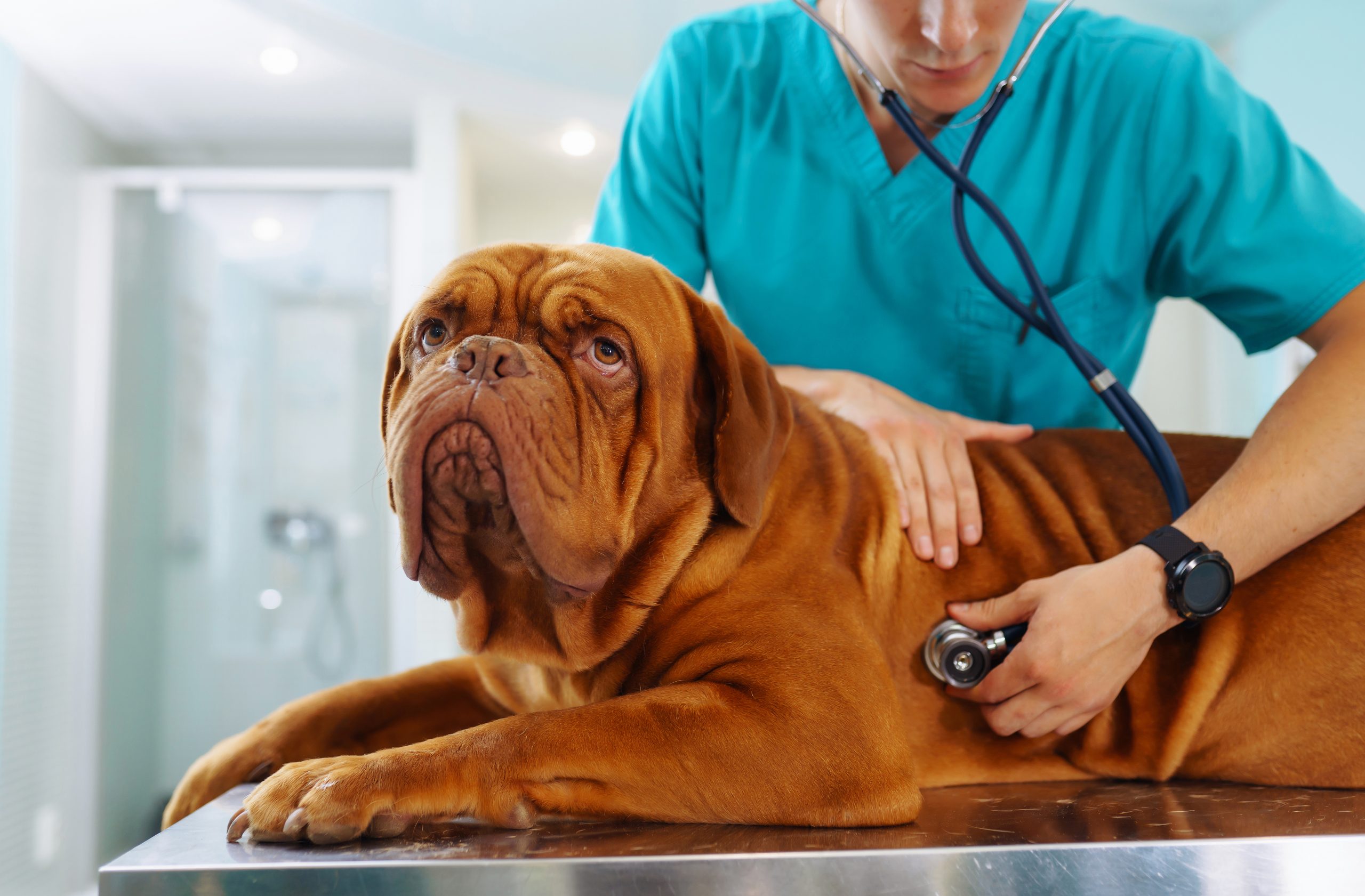
Our team knows that sometimes, despite your best efforts, the car remains a source of trauma. In these cases, we bring the clinic to your front door. Our Cochrane mobile veterinary options allow us to provide high-quality care without the transit stress. We perform exams, vaccinations, and consultations right in your living room or backyard.
This approach benefits the pet and the owner alike. You no longer have to struggle with a heavy carrier or clean up messes in the backseat. Our professional veterinarians at Dr. Wendy prefer seeing animals in their natural state. It allows us to get a more accurate reading of their heart rate and overall temperament.
Preparation and Planning
Before any planned trip, we suggest talking to a professional about your options. Our team can discuss various care kit and pricing details to ensure you have the right tools on hand. Sometimes, a mild sedative or anti-nausea medication is the best way to help a suffering animal. We always put the comfort of the animal first.
If you have questions about how to manage specific behaviours, we are here to help. You can learn more about our philosophy and how we handle nervous patients on our website. We believe that education is the first step toward a happier pet. Our collective experience shows that a prepared owner is a calm owner, which helps the pet stay relaxed too.
Choosing the Right Care Path
Every animal is unique, and what works for one might not work for another. We invite you to browse our F-A-Q section to find answers to common travel concerns. We provide detailed advice on everything from carrier training to managing motion sickness. Our team stays committed to finding the right path for your specific situation.
We know that pets that struggle with car rides require extra patience and love. Our professional staff at Dr. Wendy remains dedicated to providing that support. Whether you choose to work on desensitization or prefer the convenience of our mobile visits, we support your decision. We want to ensure that medical care never feels like a punishment for your pet.
A Future of Fear-Free Travel
In conclusion, helping pets that struggle with car rides is a journey of its own. It takes time, consistency, and a lot of positive reinforcement. We recommend keeping a journal of your pet’s reactions to see what triggers them the most. This data helps our team give you better advice during our visits.
Our team at Dr. Wendy values the bond you share with your companion. We strive to make every interaction as smooth as possible. If the car is the biggest hurdle in your pet’s health routine, let us remove that obstacle. Our professional mobile services ensure your pet stays happy and healthy without the stress of the road.
Frequently Asked Questions
Why does my pet drool so much in the car? Excessive drooling is often a sign of either extreme nausea or high anxiety. If the drooling starts before the car moves, it is likely fear-based. If it starts after you begin driving, it is likely motion sickness.
Can I give my pet human motion sickness medicine? You should never give your pet any medication without consulting us first. Some human medications are toxic to animals. We can prescribe safe, veterinary-approved options that work much better.
Does a crate help with car anxiety? For many pets, a crate provides a sense of security. It prevents them from sliding around and gives them a “den” to hide in. We recommend securing the crate so it does not move during turns.
How long does it take to desensitize a pet to the car? This process varies for every animal. Some might improve in a few weeks, while others may take months. Consistency is the most important factor in your training.
Is it better to just leave my pet at home for vet visits? If your pet is terrified of the car, a mobile vet visit is a fantastic alternative. It eliminates the primary source of stress and allows for a much calmer medical examination.