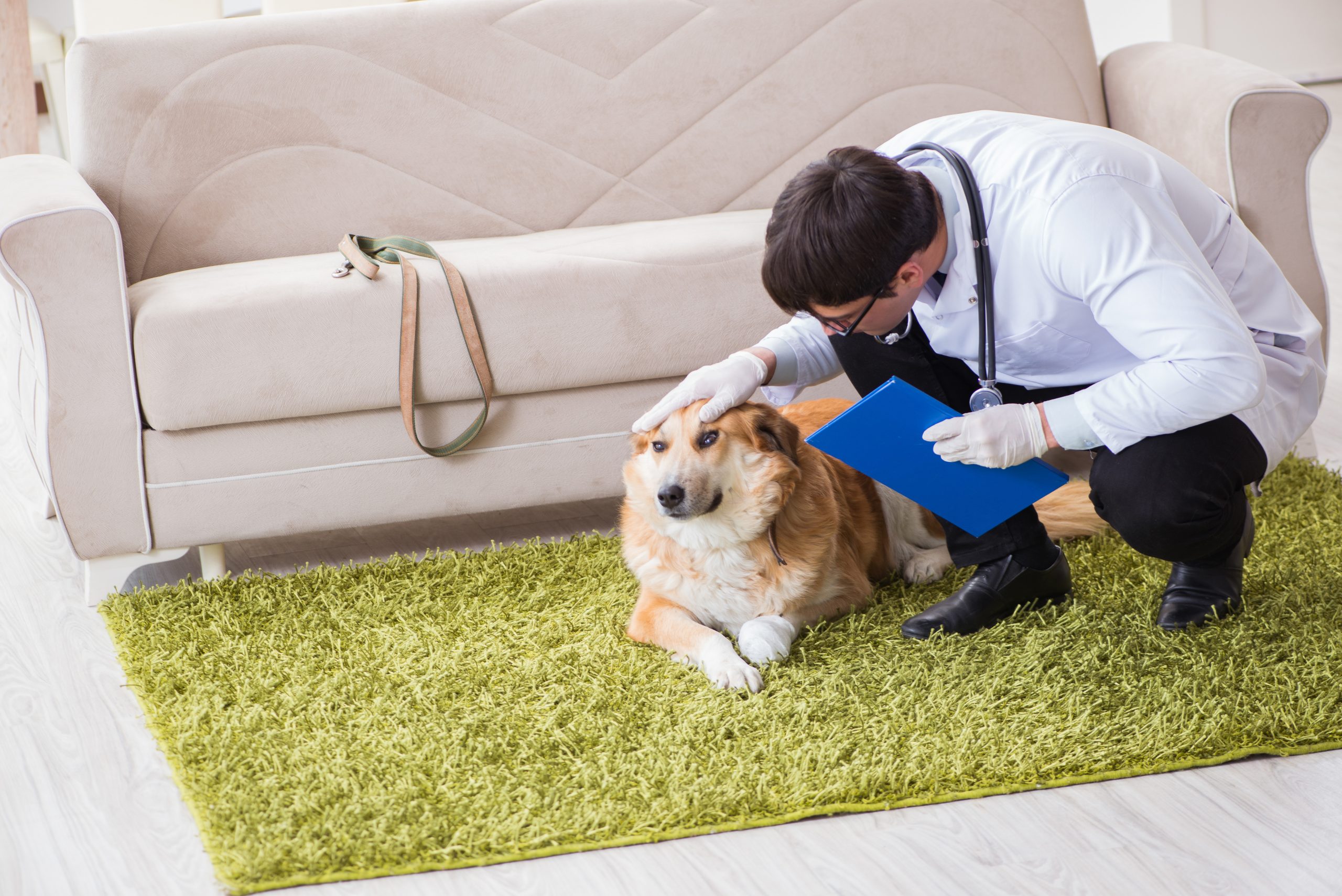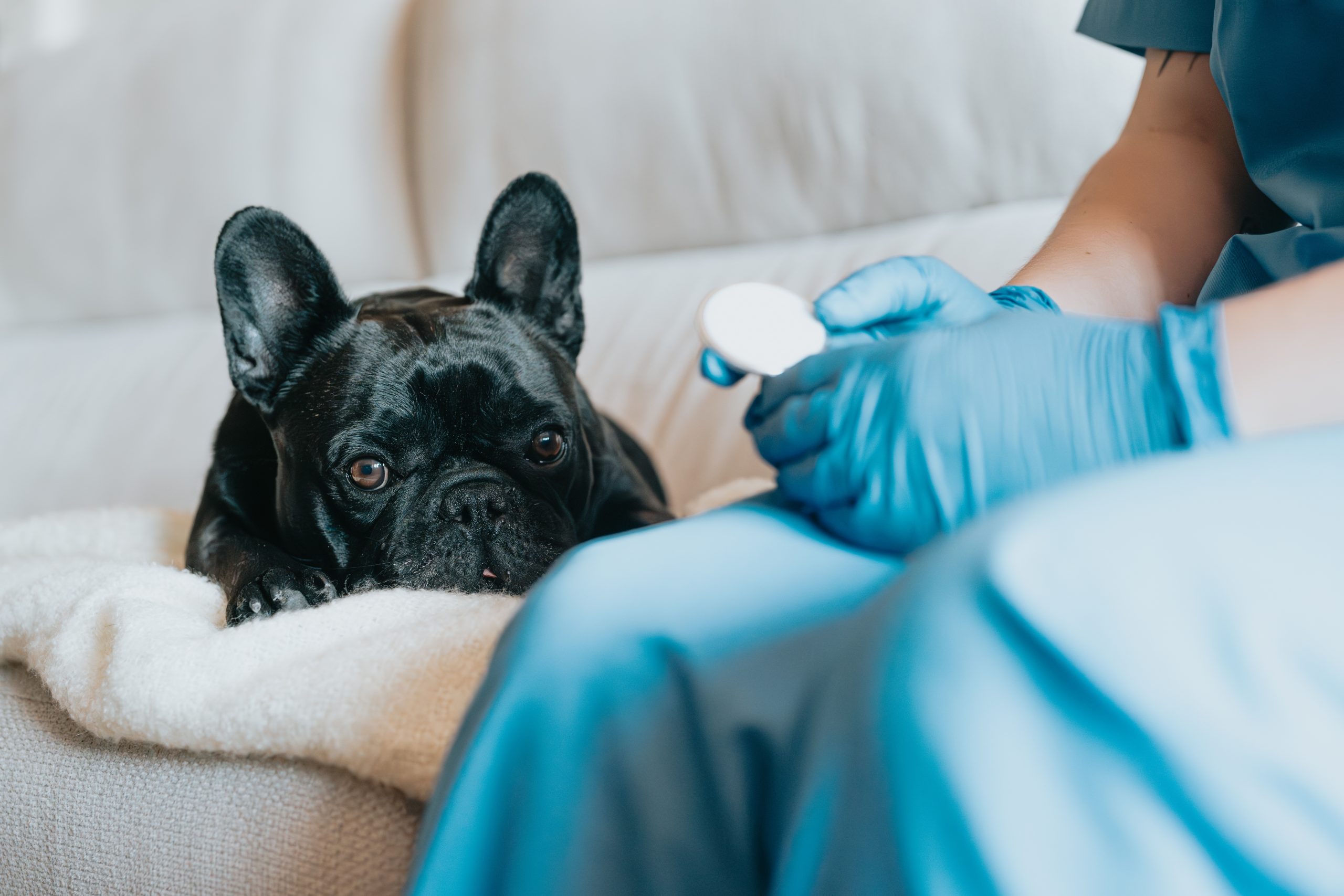
Recognizing when pets are in pain is not always simple. They often hide it or show subtle changes like limping, shaking, or growling when touched. Sometimes they just seem more withdrawn than usual. Other times, they may pant, pace, or stop eating. Each pet reacts differently. Some become more vocal, while others try to hide under furniture or isolate themselves.
Because pain looks different for every animal, we always pay attention to even the smallest change in behavior. This helps us decide how serious the situation might be. If it’s sudden, intense, or keeps getting worse, we consider it urgent. Understanding these early signs helps us respond more quickly and avoid making the pain worse.
What Not to Give: Human Medications Can Be Dangerous
Pets cannot handle common pain pills meant for humans. Many people want to help right away, so they reach for something like ibuprofen or acetaminophen. However, these medications can be toxic for dogs and cats. Even a single dose might cause kidney failure, stomach bleeding, or liver damage. Cats are even more sensitive than dogs to these substances.
Instead of guessing or giving them anything from your cabinet, we always recommend holding off. If pain is severe and you feel helpless, try to keep your pet calm and resting until you speak to a vet. We cover more safe ways to help below, but always avoid human medications entirely.
If you’re unsure what’s safe in any situation, you can check in with a trusted source of local advice like this resource on how a mobile veterinary service helps in emergencies. It offers solid examples of what’s better handled at home while waiting for help to arrive.
Use Physical Support, Not Pills
For immediate relief, we turn to physical care. If a dog struggles to walk, we support their weight with a towel under the belly. This eases strain on joints and helps them stay stable. Cats often do better in quiet, dark rooms where they feel protected. For both, a soft blanket and low movement help them stay calm. We also make sure food and water are easy to reach without needing to climb or stretch.
Temperature makes a difference too. For sore muscles or minor swelling, a cool compress wrapped in cloth and gently held in place for ten minutes can reduce inflammation. If muscles seem stiff instead of swollen, a warm compress may help them relax. However, we never use ice or heat directly on bare skin or fur.
These steps make a real difference while you wait for a vet. They’re low risk and often make pets feel safer in the moment.
Call First, Then Comfort
In painful moments, staying calm is hard. But it’s what your pet needs most. Once we notice discomfort or signs of pain, our first step is always to call the vet or urgent care line. Giving details clearly helps the team decide what to do next. We share how long symptoms have been going on, whether there was an injury, and what’s changed since it started.
We also avoid moving pets too much unless they are in immediate danger. If they are curled up and quiet, we keep it that way. If they’re in the yard or on hard floors, we place towels or blankets under them. Keeping voices soft and lights low helps reduce stress. Pets pick up on tension quickly, so comfort goes beyond cuddles—it includes tone, noise, and pace.
You can also learn more about mobile veterinary emergency support for stressful moments. It offers useful information for staying prepared.
When a Vet Recommends Safe Medication
In rare cases, a vet might suggest giving a small dose of something before they arrive. This only happens when a specific drug is already in your home and known to be safe for that pet. For example, some dogs may be prescribed an anti-inflammatory for arthritis, and a vet may confirm the correct dose in a new situation.
However, we never assume a past prescription is safe to use without direction. Weight, health status, and the nature of the pain all influence the decision. We also keep in mind that using the wrong drug can hide important symptoms or delay proper treatment. Waiting for a direct green light from a veterinary professional is always the safer route.
If you’re looking for guidance about medication, you can explore how mobile vets handle medication management for dogs and cats. This resource offers helpful examples based on condition and age.
Never Guess Dosage or Mix Treatments
Once a vet is on the way, the best thing we can do is keep things simple. We never mix treatments, herbs, or over-the-counter items unless a vet says it’s safe. Many products made for pets can still cause problems if combined without care. Some supplements interfere with medications. Others may make the pain worse by affecting digestion or circulation.
We avoid switching foods or giving treats that are high in fat, as these can upset the stomach or mask issues. If the pet is eating normally, we stick with regular meals. If they refuse to eat, we leave the food nearby but don’t try to coax them. Forcing food or new items during pain can increase stress.
Pain care is not just about easing discomfort—it’s about avoiding more harm. This includes not introducing anything new until a vet evaluates the situation.
Positioning Makes a Big Difference
The way your pet rests can affect how much pain they feel. If a dog or cat favors one side or avoids lying down, it often means pressure is causing discomfort. We gently help them find a better position by placing folded blankets under sore limbs or encouraging them to lie in a curled shape that reduces joint strain.
Some animals feel more stable when leaning against a firm surface. In those cases, we set them up with a pillow or rolled towel behind them for support. For pets with back or neck pain, we avoid encouraging movement altogether and focus on stillness in a flat, padded area. This reduces tension in affected muscles.
Small changes like this make a big difference. Before medical treatment begins, the goal is comfort, not correction.
Let Natural Reactions Happen Safely
Pets in pain may act differently, and that’s normal. They might snap, cry, shake, or avoid touch. These aren’t bad behaviors. They’re natural ways of saying something hurts. We don’t take it personally or try to stop them from reacting. Instead, we give space and gently adjust our own behavior.
For dogs that growl when touched, we avoid those spots. For cats that retreat, we leave them be. These reactions help us figure out where pain is centered and how to keep things safe until help arrives. We do not try to train them out of the behavior while they’re uncomfortable.
By accepting those signs as part of the process, we reduce stress for both ourselves and the pet.
Know When Waiting Is Not Safe
Some situations need urgent care right away. We never wait if a pet is unable to stand, crying constantly, breathing heavily, or showing signs of swelling in the face or neck. These are signs of severe pain or underlying issues like allergic reactions, broken bones, or internal injuries.
Other emergency signs include pale gums, bleeding that doesn’t stop, or confusion. In these cases, we skip home care and go straight to emergency services. Calling on the way helps the team prepare. Even if we’re unsure, it’s better to be safe than delay treatment.
For help assessing what to do now, speak directly with a vet. You can get in touch with a mobile veterinary contact team for fast direction and local help.
FAQs
What can I safely give my dog or cat for pain while waiting for help?
Nothing should be given without vet approval. Even over-the-counter pet medications need the right dose and timing. Physical comfort is the safest option.
How do I know if the pain is serious enough to call a vet?
If your pet cries out, limps badly, avoids touch, or changes behavior suddenly, it’s time to call. Always report what you see and how long it’s been happening.
Is it okay to use essential oils or natural products for relief?
No, many natural oils can be harmful or toxic to pets, especially cats. We avoid all home remedies unless approved by a veterinarian.
Should I try to move a pet in pain?
Only if absolutely necessary. Support them gently and avoid bending painful limbs. Use towels or blankets for lifting if needed.
Why is my pet growling or hiding even though I’m trying to help?
Pain changes how pets behave. Growling, hiding, or avoiding contact are signs of distress. We respect those boundaries and give them space.