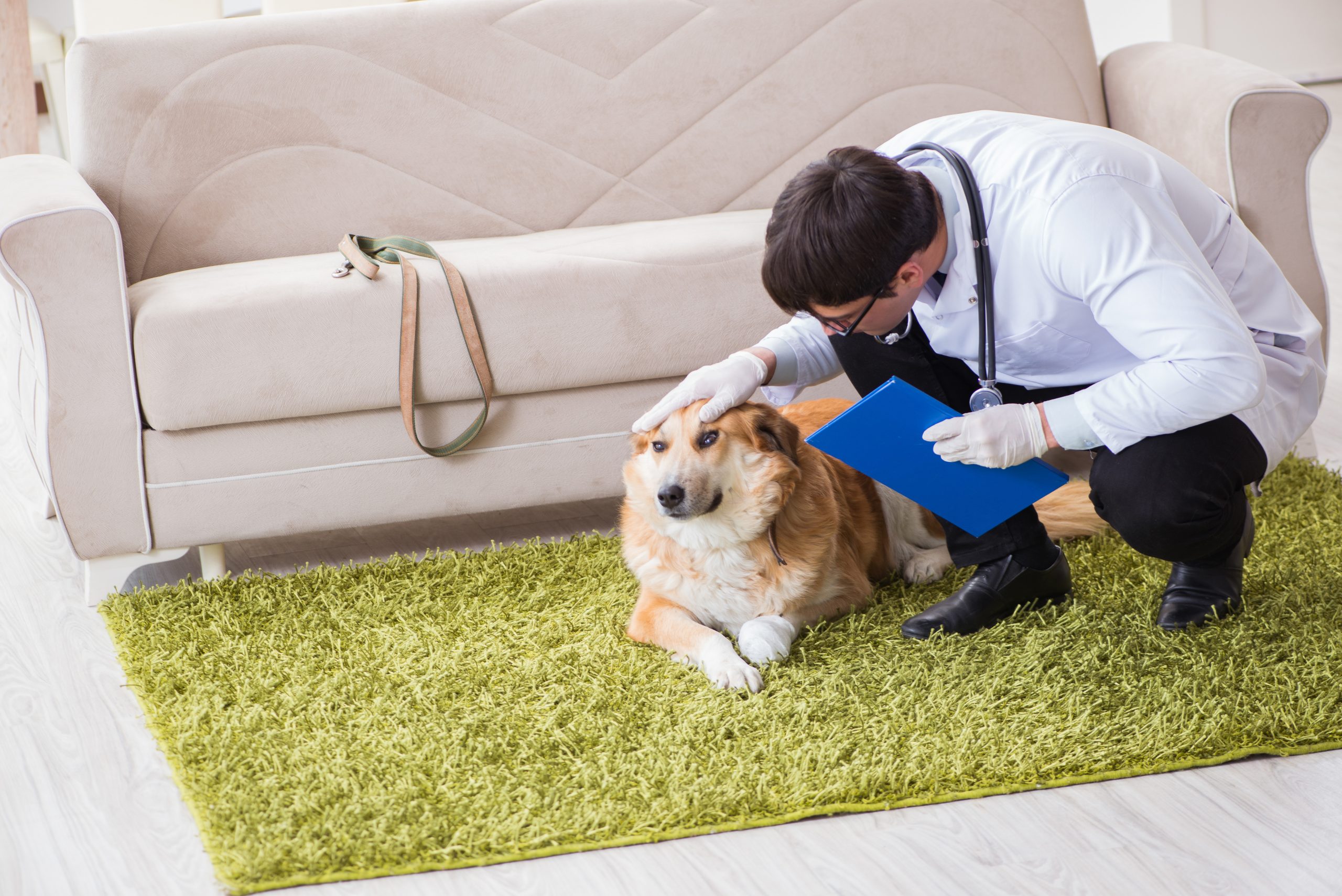
Seizures in pets can be scary to witness, especially when they happen without warning. During those moments, it’s easy to panic. But having a plan and understanding the basics can help us stay calm. Our pets depend on us for safety and support. So, learning how to respond at home while waiting for professional help can make a big difference. This post shares what to expect, what to do, and how to follow up safely.
What a Seizure Looks Like and Why It Happens
Most seizures start with signs we can miss. Our pets might pace, stare into space, or seem unsteady. Then the episode starts. They may fall over, shake, drool, paddle their legs, or lose control of bladder or bowels. Afterward, they often appear confused or tired.
Some seizures last just a minute, while others go longer. Many causes can trigger them. For example, brain injury, infection, liver disease, or genetics. Some pets develop epilepsy, a long-term condition that needs careful monitoring. We never know the cause just by watching the event. But observing closely and noting the length, body movement, and environment helps later.
For more detail on causes and early behavior signs, visit our full mobile veterinary information guide. It can help pet owners understand what might be happening and why quick action matters.
What To Do Immediately When a Seizure Starts
Start by removing anything around that could harm your pet. We want to create a safe space. Move furniture, rugs, or sharp objects nearby. If the pet is near stairs or a hot stove, gently slide them away with a towel under their body. Don’t reach for their mouth. They won’t swallow their tongue, and we risk getting bitten by accident.
Turn off bright lights or loud TVs. Noise and light can make things worse. Keep the room calm. We should keep track of time right away. Most seizures stop in under two minutes. If it lasts more than five, that’s an emergency. Don’t try to stop the motion. Instead, focus on keeping the space safe and staying calm.
Speaking softly can also help. Although pets may not recognize us mid-seizure, hearing a familiar voice as they recover may ease confusion. Let’s remain nearby but hands-off unless safety becomes a concern.
What Not To Do During a Seizure
It’s natural to want to hold or help during a seizure, but touching a pet in that moment often causes more harm. They aren’t aware of their actions. So, we should avoid placing hands near their head or mouth. This applies even to small dogs or cats who seem harmless when shaking.
Feeding or giving medication is also unsafe during the episode. Even if it looks like they’re awake, swallowing is not normal at that time. Wait until they recover fully before offering food, water, or medicine.
We should also never restrain the pet or try to hold them down. Letting the body complete the cycle without interruption avoids injury. Try to remain nearby in case they move suddenly toward walls or furniture.
After the seizure, keep lights dim, voices low, and movement slow. This helps them settle during the confusion that follows.
What To Record for the Vet
We don’t always need to rush to the clinic after one short seizure. However, we do need to collect clear information. That way, our mobile veterinary team can better understand what’s happening. Write down the time of day, how long the episode lasted, and what body parts were involved. Did one leg twitch or the whole body? Did they lose control of urine or collapse fully?
Also include what happened right before. Were they playing, sleeping, or just standing still? Were there any loud sounds or stressful events earlier? These details help us look for patterns.
If this happens again, use the same notebook or app to track changes. Consistency in our notes leads to clearer answers. If you’re unsure whether to monitor or act, visit our page on in-home emergency vet care options and reach out for a fast response.
When to Seek Immediate Help
Some seizures do need urgent attention. If one lasts more than five minutes, we need to act quickly. This is called status epilepticus and can cause lasting brain damage. Also, if two or more seizures happen close together without full recovery in between, that’s another danger sign.
Other warning signs include pale gums, shallow breathing, or total collapse after the event. We should also treat a first-time seizure in a senior pet as more serious. Underlying disease is more likely in older animals.
If a pet has never had a seizure before or if we see head injury signs, vomiting, or other symptoms, it’s best to call right away. Even if the episode passes, these situations often need bloodwork or scans to rule out major issues.
What to Do After the Seizure Ends
Once the shaking stops, give the pet a few minutes to lie still. They’ll likely seem confused or weak. Some may even pace or bump into walls. Let them rest in a quiet room. Offer water after about 15 minutes but don’t push it.
After that, we can watch them closely for balance, alertness, and appetite. A slow return to normal is common. But if your pet won’t eat, keeps circling, or acts oddly for more than a few hours, follow up. Seizures sometimes leave temporary effects that need guidance.
To prepare for the next one, talk with a vet about keeping a rescue medication at home. Some pets benefit from an emergency dose of rectal or oral medication if seizures repeat. This reduces hospital trips and helps us stay ready.
Living With a Pet That Has Seizures
Ongoing seizures don’t always mean a poor quality of life. Many pets with epilepsy live full lives when we stay proactive. Keeping a seizure diary, managing medication, and avoiding triggers makes a big difference.
We can help by creating a calm routine. Loud noises, flashing lights, or extreme stress may raise the risk. Try to avoid changing food brands often or skipping meals. Regular exercise, sleep, and visits with your mobile veterinary provider help maintain balance.
Floor mats, ramps, or baby gates can keep a pet safe if they fall or get dizzy. Some families even set up indoor cameras to track movement while away. Preparing the home doesn’t take long, and it gives us peace of mind.
Learn more about mobile veterinary support for chronic conditions and how it fits into life with a pet that has ongoing needs.
Tips for Staying Calm as a Pet Owner
We often forget that our own emotions affect our pets. When we panic, they sense it. That’s why staying calm helps both us and them. Try breathing slowly, keeping your voice low, and focusing on one task at a time.
It helps to have a seizure action plan ready. Post it on the fridge or save it in your phone. When we already know what to do, our brain reacts faster under stress. Include emergency numbers, steps to take, and your vet’s contact info.
Practice those steps once every few months with your family. Knowing who turns off lights, who tracks time, and who watches the pet can reduce chaos. Even if you live alone, planning matters.
Finally, don’t hesitate to talk about your stress with your vet. Living with an unpredictable health issue can be overwhelming. You’re not alone in this.
FAQs
What causes seizures in pets?
Seizures may result from epilepsy, liver disease, infections, toxins, or head trauma. Only a vet can confirm the cause after exams and testing.
Can I prevent my pet’s seizures?
Not all seizures are preventable. But avoiding known triggers like stress, heat, and sudden diet changes can lower the risk in some pets.
Should I take my pet to the vet after every seizure?
Not always. A single short seizure may not need urgent care. But frequent episodes, long duration, or other symptoms should be checked.
Is it safe to give water or food after a seizure?
Yes, but only after the pet is fully alert and standing steadily. Wait about 15 minutes, then offer a small amount of water first.
How can mobile vet services help with seizures?
Mobile care offers comfort by checking pets in their home, reducing travel stress. This makes ongoing management and follow-up easier for everyone.
For quick support or help making a care plan, you can speak with a mobile veterinary professional today. We’re here to help when things feel uncertain.