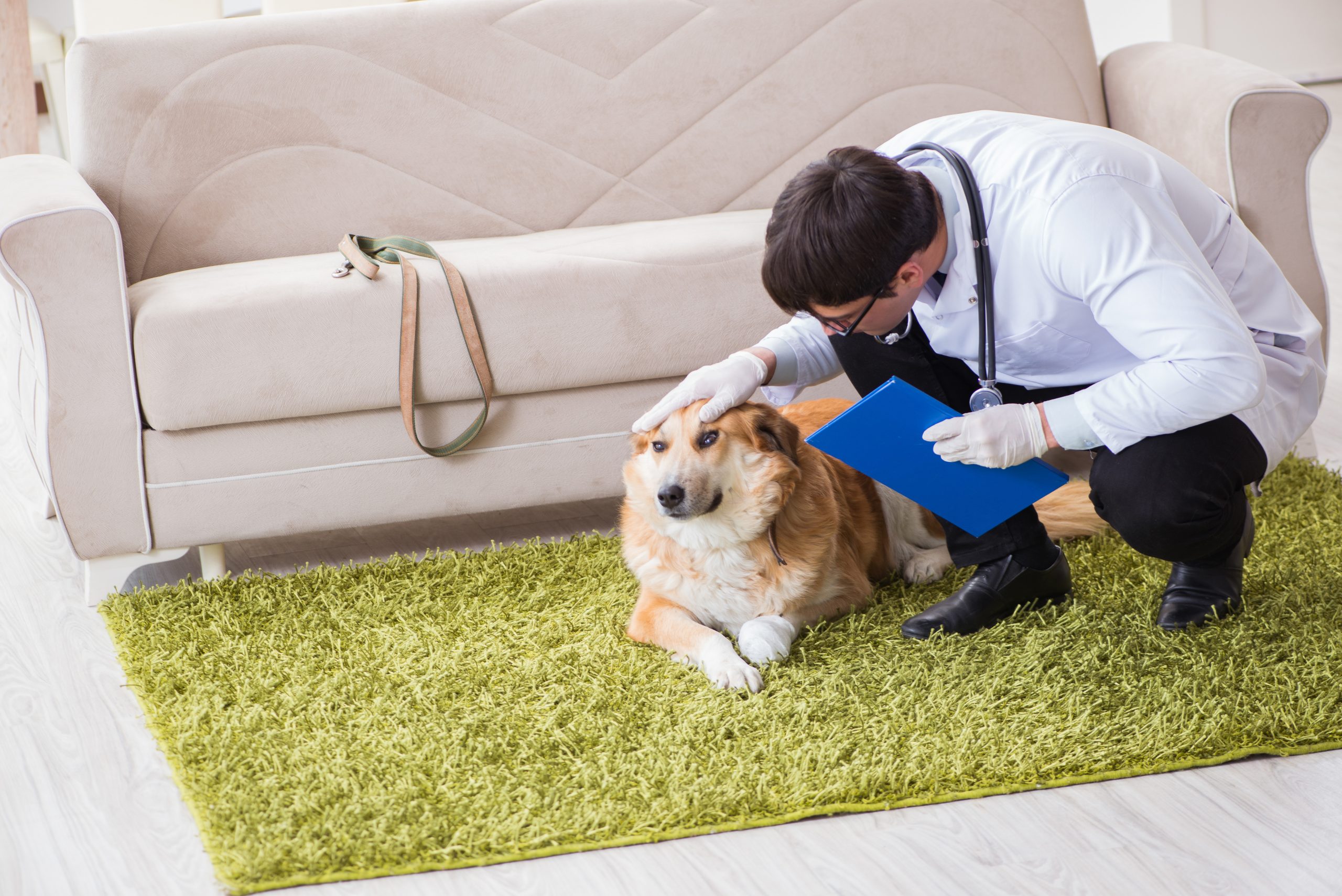
Many people think that ticks are only a problem in the thick forests of BC or out east. However, we are seeing more ticks in Alberta every single year. As our climate changes, ticks are moving into areas where they never lived before. Whether you are hiking in the foothills or just walking through the tall grass in Cochrane, your dog is at risk. Our team at Dr. Wendy Vet Care wants to help you understand how to keep your pets safe from Lyme disease and other nasty infections.
Ticks are small parasites that latch onto your dog’s skin to feed on their blood. While the bite itself is annoying, the real danger is the diseases they carry. Lyme disease can cause joint pain, fever, and even kidney failure in dogs. We believe that prevention is the most effective way to manage this risk. Instead of worrying every time you go for a walk, you can take simple steps to protect your dog. Let the vet visit you to discuss the best prevention plan for your family’s lifestyle.
Understanding Tick Season in Alberta
We used to think tick season only happened in the heat of the summer. We now know that ticks become active as soon as the ground thaws and temperatures reach 4°C. In Alberta, this means tick season can start as early as March and last until the first heavy snowfall in November. Ticks love the “shoulder seasons” when the weather is cool and damp. We find that many pet owners get caught off guard because they stop using prevention too early in the fall.
Transitioning through the seasons means staying alert. Ticks don’t jump or fly; they wait on the tips of tall grass or bushes for a dog to brush past them. This is called “questing.” If your dog loves to explore the bushes or run through the long grass in local parks, they are a prime target. We recommend using tick prevention for any dog that spends time outdoors, even if you just stay in your own backyard.
How to Perform a Proper Tick Check
The best way to prevent disease is to find and remove ticks before they have a chance to transmit bacteria. This usually takes about 24 to 48 hours of attachment. We suggest making a “tick check” part of your daily routine after every walk. Start at your dog’s head and work your way back. Use your fingers to feel for any small, hard bumps on the skin. Ticks can be as small as a poppy seed or as large as a grape if they have already fed.
Make sure you check the “hidden” spots where ticks love to hide. This includes inside the ears, under the collar, between the toes, and in the armpits. If you find a tick, don’t panic. Use a pair of fine-tipped tweezers or a specialized tick removal tool. Grasp the tick as close to the skin as possible and pull straight up with steady pressure. We recommend saving the tick in a small container so we can identify it if your dog gets sick later. If you are uncomfortable removing it, our mobile team can help you in Airdrie.
Choosing the Right Prevention for Your Pet
There are many different types of tick prevention available today. We offer oral tablets that your dog eats like a treat, as well as topical drops that go on the skin. Some of these products protect against ticks for one month, while others last for three months. We believe in choosing the product that fits your dog’s health history and your daily habits. For example, if your dog swims a lot, an oral tablet might be better than a topical drop that could wash off.
These medications work by killing the tick shortly after it bites, which stops the transmission of diseases like Lyme. It is important to note that many “natural” or over-the-counter collars don’t work well against Alberta ticks. We only recommend products that have been tested and proven to be safe and effective. If you want to discuss which option is best for your dog, you can Contact Us for a personalized recommendation. Let the vet visit you to deliver your pet’s medication right to your door.
Recognizing the Symptoms of Lyme Disease
Even with the best prevention, it is important to know the signs of illness. Lyme disease in dogs often looks different than it does in humans. Most dogs do not get a “bullseye” rash. Instead, they might seem very tired or lose their appetite. One of the most common signs is “shifting leg lameness.” This means your dog might limp on one leg today and a different leg tomorrow. This happens because the infection causes painful inflammation in the joints.
If left untreated, Lyme disease can lead to more serious problems like heart issues or kidney damage. We find that early diagnosis through a simple blood test makes treatment much more successful. If your dog seems stiff, has a fever, or just isn’t acting like themselves after a tick bite, we should take a look. Our mobile exam allows us to check your dog’s joints and vitals in a calm environment in NW Calgary.
Protecting Your Family from Ticks
Ticks don’t just bite dogs; they can also hitch a ride on your pet and then bite you. This is another great reason to keep your dog on a prevention plan. When you protect your pet, you are also reducing the number of ticks that enter your home. We suggest keeping your grass cut short and removing piles of leaves or brush where ticks like to hide. If you have a wooded area on your property, you can create a “buffer zone” of woodchips or gravel to keep ticks away from your lawn.
We believe that education is the best tool for safety. By understanding where ticks live and how they behave, you can enjoy the beautiful Alberta outdoors with confidence. Whether you are a hardcore hiker or a casual park walker, we are here to support your pet’s health. We are proud to serve the local community and keep our Alberta dogs healthy and active.
FAQ
Is Lyme disease common in Alberta?
While it is not as common as in other parts of Canada, the number of Lyme-positive ticks in Alberta is increasing every year. We also have other tick-borne diseases like Anaplasmosis that pet owners should know about. Prevention is always cheaper and safer than treatment.
Can my cat get ticks too?
Yes, cats can definitely get ticks if they go outside. While cats don’t usually get Lyme disease, they can get other serious infections from tick bites. We have safe tick prevention products specifically designed for cats as well.
Do I need tick prevention in the winter?
Once the temperature stays consistently below freezing and there is a heavy snowpack, the risk is very low. However, if we have a warm spell in January or February and the temperature hits 4°C, ticks can wake up and look for a meal. We usually recommend prevention from March through November.
What should I do if the tick’s head stays in the skin?
If the head breaks off, don’t dig around for it, as this can cause an infection. The skin will usually push it out on its own over time, like a splinter. Just keep the area clean and watch for any redness or swelling.
Can I get Lyme disease from my dog?
You cannot catch Lyme disease directly from your dog. However, if a tick is crawling on your dog’s fur and hasn’t bitten them yet, it could crawl onto you. This is why checking your dog after walks is so important for everyone’s safety.
Does tick medication kill the ticks immediately?
Most professional tick medications kill the tick within 8 to 12 hours of it biting. This is fast enough to prevent the transmission of most diseases. Some products also have a repellent effect that keeps ticks from latching on in the first place.