Warm weather in Calgary brings long walks, off-leash parks, and plenty of outdoor adventures for our pets. But it also brings a hidden danger many owners overlook, foxtails and grass seeds. These small, sharp plant parts can cause surprisingly serious health problems if they attach to or penetrate a pet’s skin. Understanding how to spot, prevent, and treat foxtail exposure is essential for keeping our pets safe.
Why Foxtails and Grass Seeds Are a Problem
Foxtails are the barbed seed heads of certain grasses common across Alberta’s parks and fields. When dry, they detach easily and can stick to fur, ears, eyes, paws, or even enter the nose. Because their shape points one way, they don’t fall off naturally once attached. Instead, they keep burrowing deeper, often breaking through skin or entering body cavities.
Dogs are especially vulnerable because they explore nose-first and roll on the ground. Cats who wander outdoors are at risk too, particularly around their paws or between their toes. A foxtail can seem like a minor irritant but quickly cause swelling, infection, abscesses, or even internal damage if it migrates into deeper tissues.
Common Signs of Foxtail Trouble
We often notice subtle behavior changes first. A dog suddenly limps after a walk or obsessively licks a paw. A cat scratches at its ear or keeps sneezing. These can all be signs of a foxtail working its way under the skin or into a body opening.
Typical signs include redness, swelling, constant licking, head shaking, sneezing, coughing, or visible discharge from eyes or ears. Sometimes the seed itself is visible as a tiny spike or husk sticking out. However, in many cases, it hides beneath the surface, making the problem difficult to locate without a proper exam.
If a foxtail reaches the lungs, ear canal, or other internal area, the symptoms can become more serious—persistent coughing, fever, loss of appetite, or painful lumps. Once inside, the seed will not dissolve or pass naturally, so prompt attention is critical.
How to Prevent Foxtail Injuries
Prevention starts with awareness of where foxtails grow. They often appear along trails, vacant lots, ditches, or uncut grass. During late spring and summer, they dry out and become most dangerous.
Before walks, we can check the ground and avoid tall or seeding grasses. Keeping lawns trimmed short helps prevent the plants from maturing and spreading. After each walk, a full-body check is the best line of defense. Pay close attention to paws, between toes, under armpits, around the groin, and inside ears.
A soft-bristle brush helps remove small seeds before they stick. Dogs with long or curly coats may benefit from a short trim around high-risk areas during the summer. For cats, daily grooming during shedding season reduces the chance of seeds tangling in loose fur.
If we hike often, booties or protective gear can help protect paws. For dogs who enjoy swimming, rinsing them after leaving grassy areas also washes away seeds before they dry and attach.
What to Do If You Find a Foxtail on Your Pet
When a foxtail is visible and not deeply embedded, we can gently remove it with clean tweezers. However, we should never dig or squeeze the skin, as the seed might break and push further in.
If swelling or discharge is already present, it likely means infection has started, and medical treatment is necessary. When unsure, it’s always safer to let a professional examine the area. Seeds hidden inside the ear, nose, or paw pads require special tools and sometimes sedation to remove safely.
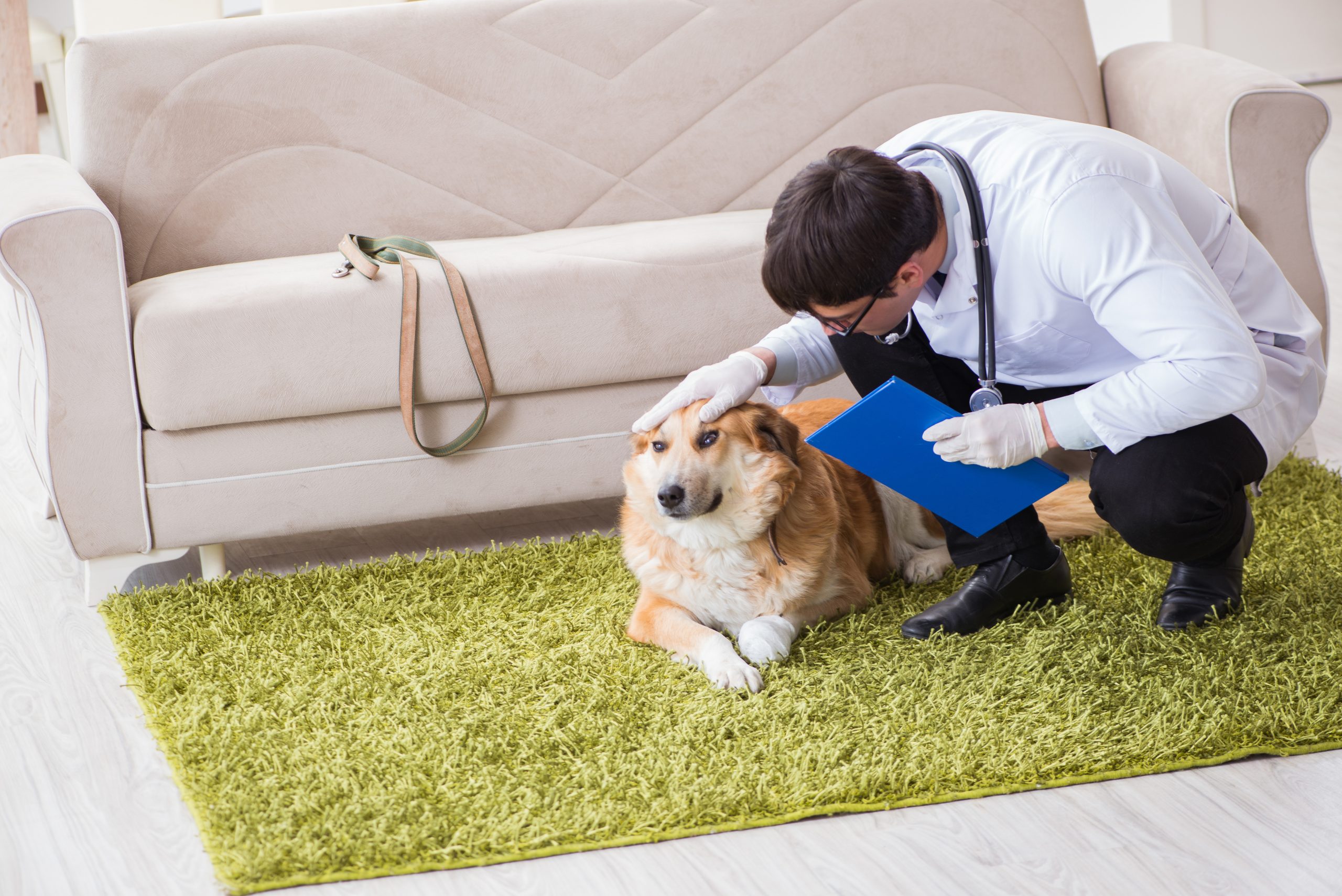
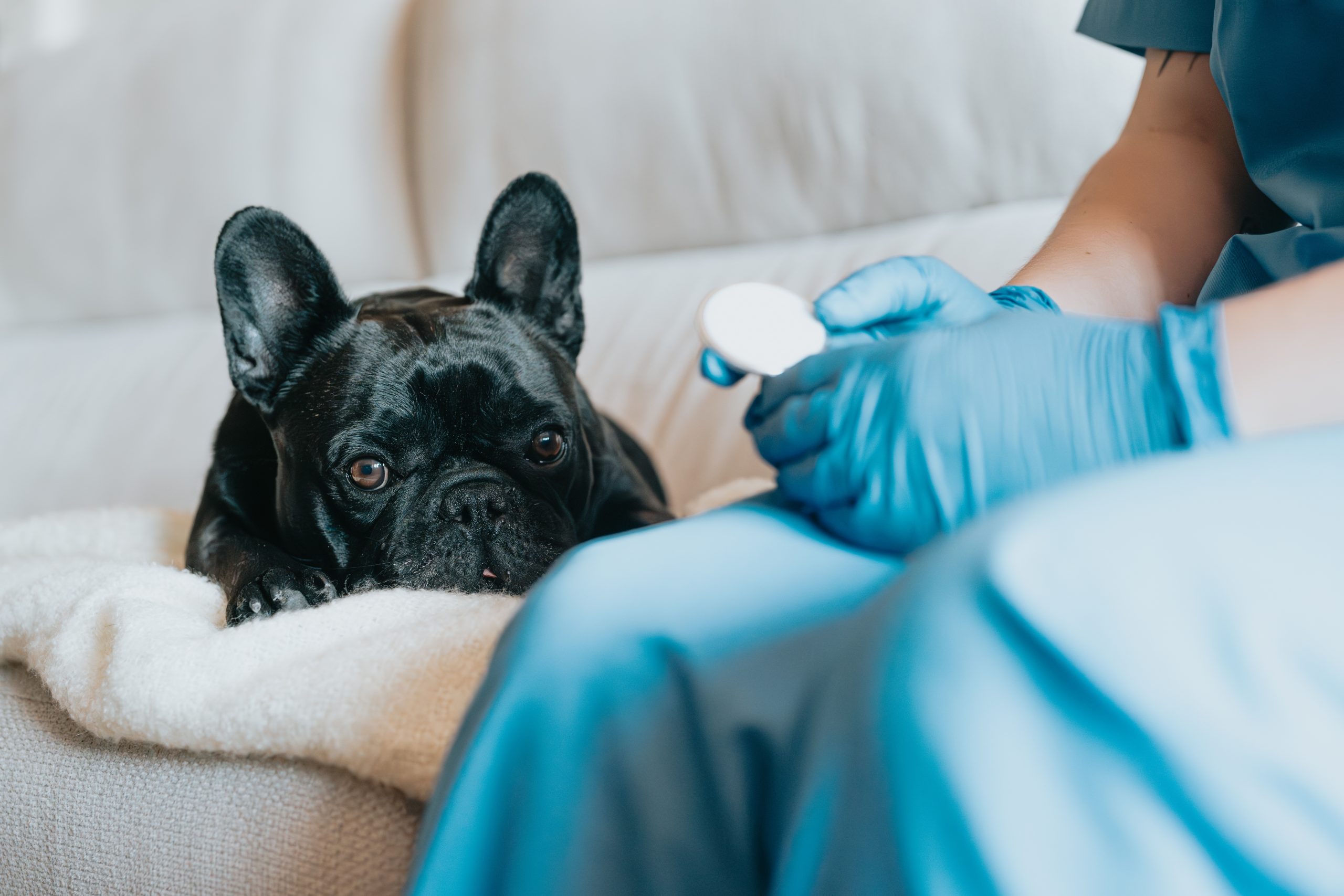
For pets who seem in pain or develop a lump after exposure, scheduling an examination through a trusted mobile veterinary service makes the process easier. At-home evaluation helps us reduce stress for pets who dislike clinics and ensures fast attention when a foxtail might still be lodged inside.
Hidden Dangers Owners Often Miss
Most owners check paws and fur but forget about less obvious areas. Foxtails can lodge in eyelids, causing redness and blinking, or inside nostrils, leading to sneezing fits. They can also travel beneath the skin through small wounds, moving unpredictably over time.
One of the most overlooked areas is under the tail or near the genitals. Seeds caught here can lead to discomfort, frequent licking, and secondary infections. Another hidden danger lies in long-eared breeds like Cocker Spaniels or Retrievers. Their ear shape traps moisture and debris, creating a perfect environment for seeds to hide and cause painful infections.
Even indoor pets can encounter foxtails if seeds attach to our shoes or clothes. Regular vacuuming and checking entryways after outdoor activity prevent these tiny barbs from ending up on indoor bedding.
When Foxtails Lead to Infection
If a foxtail remains inside tissue, the body reacts as it would to a foreign object. It surrounds the seed with inflammation, forming pus or an abscess. Left untreated, this can burst or spread infection deeper.
Signs of infection include heat, swelling, foul odor, or thick discharge. The pet may seem lethargic or run a mild fever. Some seeds migrate through the body, creating multiple abscesses in new locations. These cases require imaging or minor surgery to locate and remove the foreign material.
Prompt care not only relieves pain but also prevents secondary complications like systemic infection or scarring. We should always monitor wounds for changes, even after removal, as small seed fragments can cause problems later.
Calgary’s Foxtail Season and Local Awareness
In Calgary, foxtails thrive from late May to early September. Dry weather accelerates their spread, and local off-leash parks, especially those near construction zones or undeveloped fields, can become hotspots.
Pet owners in Calgary often notice an increase in related vet visits during summer. It’s helpful to plan walks during cooler hours when the grass is less brittle. We can also carry a small comb or brush in the car to inspect our pets before heading home.
Community awareness helps reduce risk. Talking with other dog owners or reporting overgrown foxtail patches to park services can make public areas safer. Some neighborhoods organize summer clean-up days to remove invasive grasses near pathways.
The Role of Professional Care
Even with preventive steps, foxtail incidents happen. Early treatment makes all the difference. Professional examination includes careful inspection, sometimes aided by magnification or imaging, to find hidden seeds.
If removal is simple, local cleaning and topical antibiotics may be enough. In deeper cases, sedation or minor surgery ensures full extraction and pain control. Veterinarians may also prescribe oral antibiotics or anti-inflammatory medication to support healing.
For busy owners or nervous pets, having access to at-home veterinary services saves time and stress. A veterinarian who visits our home can examine and treat the pet in a calm, familiar space, avoiding the anxiety of clinic visits. It’s also easier to maintain consistent follow-up care this way.
Long-Term Prevention Habits
Once we’ve experienced one foxtail incident, we usually become more cautious. Making inspection part of the daily routine is the best habit. During Calgary’s dry months, add an extra minute after walks to check for debris.
Replacing high-risk grassy areas in the yard with safe ground covers or gravel reduces exposure. If we use dog parks regularly, alternating between well-maintained parks helps avoid consistent risk in one location.
Training our pets to accept gentle paw and ear checks also helps. Positive reinforcement makes these moments cooperative rather than stressful. When a pet learns that grooming time leads to treats and praise, it becomes easier to prevent issues early.
When to Seek Veterinary Help Immediately
Certain situations require urgent attention. If a pet develops sudden head shaking, intense sneezing, or rapid paw swelling after outdoor play, we should not wait. These can indicate a foxtail trapped deep inside.
A persistent bump, oozing wound, or eye irritation that worsens overnight are also warning signs. Foxtails do not resolve on their own. The sooner we act, the less invasive and costly the treatment.
If any of these signs appear, it’s best to contact us right away for guidance. Quick communication ensures that our pets receive the right care before a small problem becomes serious.
FAQ
How can I tell if it’s a foxtail or just a scratch?
A simple scratch usually improves within a day or two. Foxtails cause persistent irritation, swelling, or discharge that gets worse, not better. If you’re unsure, a vet visit is the safest option.
Are foxtails dangerous for cats too?
Yes. Outdoor cats often get foxtails between their toes or in their ears. Because cats groom constantly, they may hide symptoms until infection sets in. Regular checks are important even for short-haired cats.
Can foxtails travel inside the body?
Unfortunately, yes. Their shape allows them to move through tissue. Some have been found migrating from the paw to the chest or abdomen. That’s why quick removal is critical.
How do I keep my yard safe?
Keep grass short and dispose of weeds before they dry. Watering occasionally during hot months helps keep grasses soft and less likely to form sharp seeds.
Is there a specific time of year I should be most careful?
Late spring through early fall is the highest-risk period in Calgary. Seeds begin appearing once grasses dry and continue through the warm months until the first frost.