Most pet owners deal with upset stomachs now and then, but when vomiting or diarrhea show up, it’s hard to know if it’s something mild or a sign of a bigger issue. These symptoms often seem harmless at first. However, they can also be the body’s way of warning us about deeper problems. Our goal here is to help you understand what’s normal, what’s not, and how to respond without guessing. Acting early can make a major difference in your pet’s health, and in some cases, even save their life.
Common Short-Term Causes You Can Recognize
Sudden vomiting or loose stools often come from something simple. One of the most common causes is dietary indiscretion. This happens when your pet eats something it shouldn’t, like garbage, table scraps, or spoiled food. We’ve seen it many times, especially in curious dogs who sniff out things they shouldn’t. In cats, sudden changes in diet can cause upset as well.
Another reason could be stress. For example, a recent move, new visitors, or a change in routine can lead to digestive symptoms. Even a car ride or vet visit might bring on diarrhea in sensitive pets. Parasites are also a common reason, especially in puppies and kittens. Worms or protozoa can irritate the digestive system and cause vomiting or frequent bowel movements.
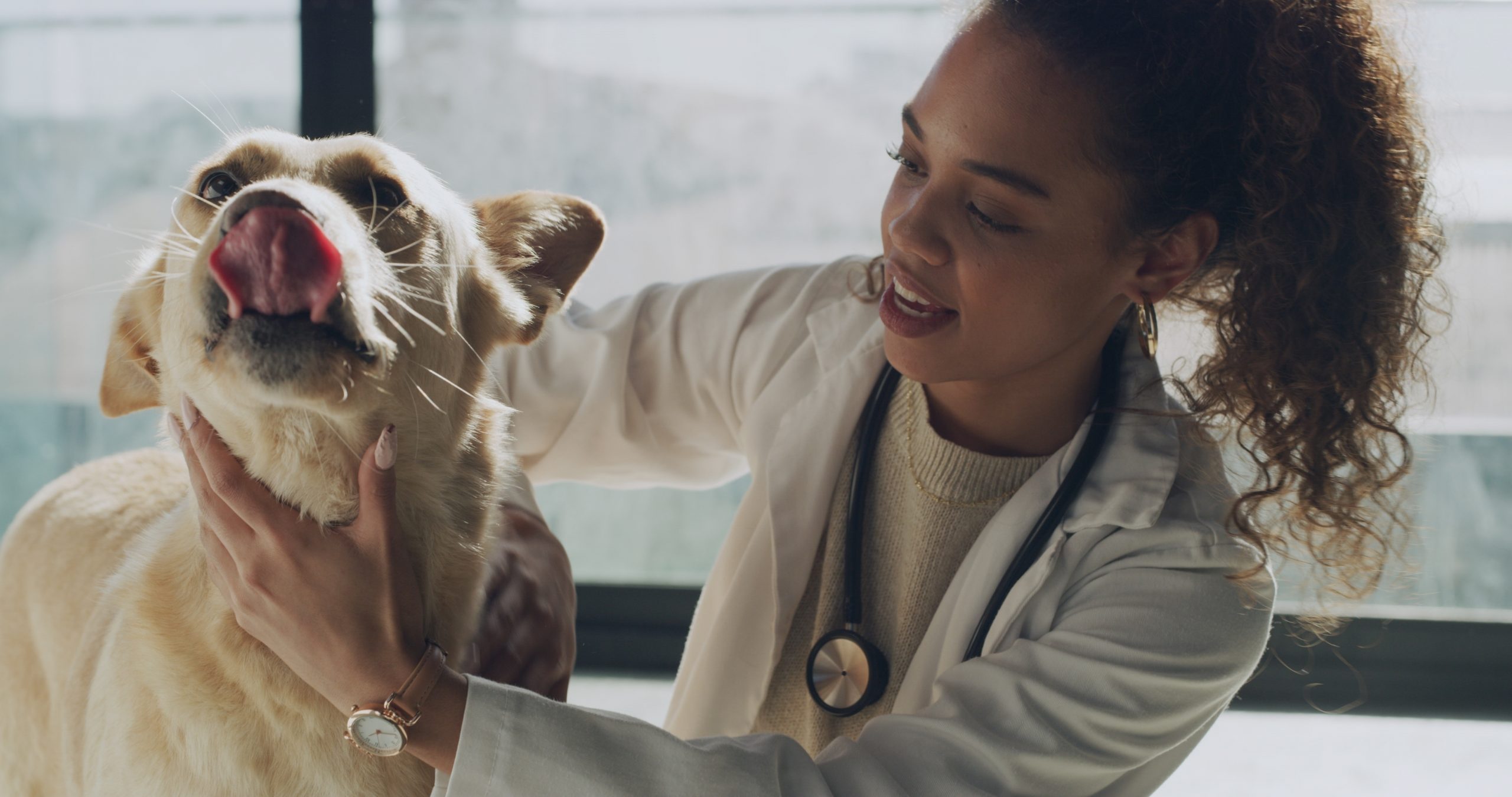
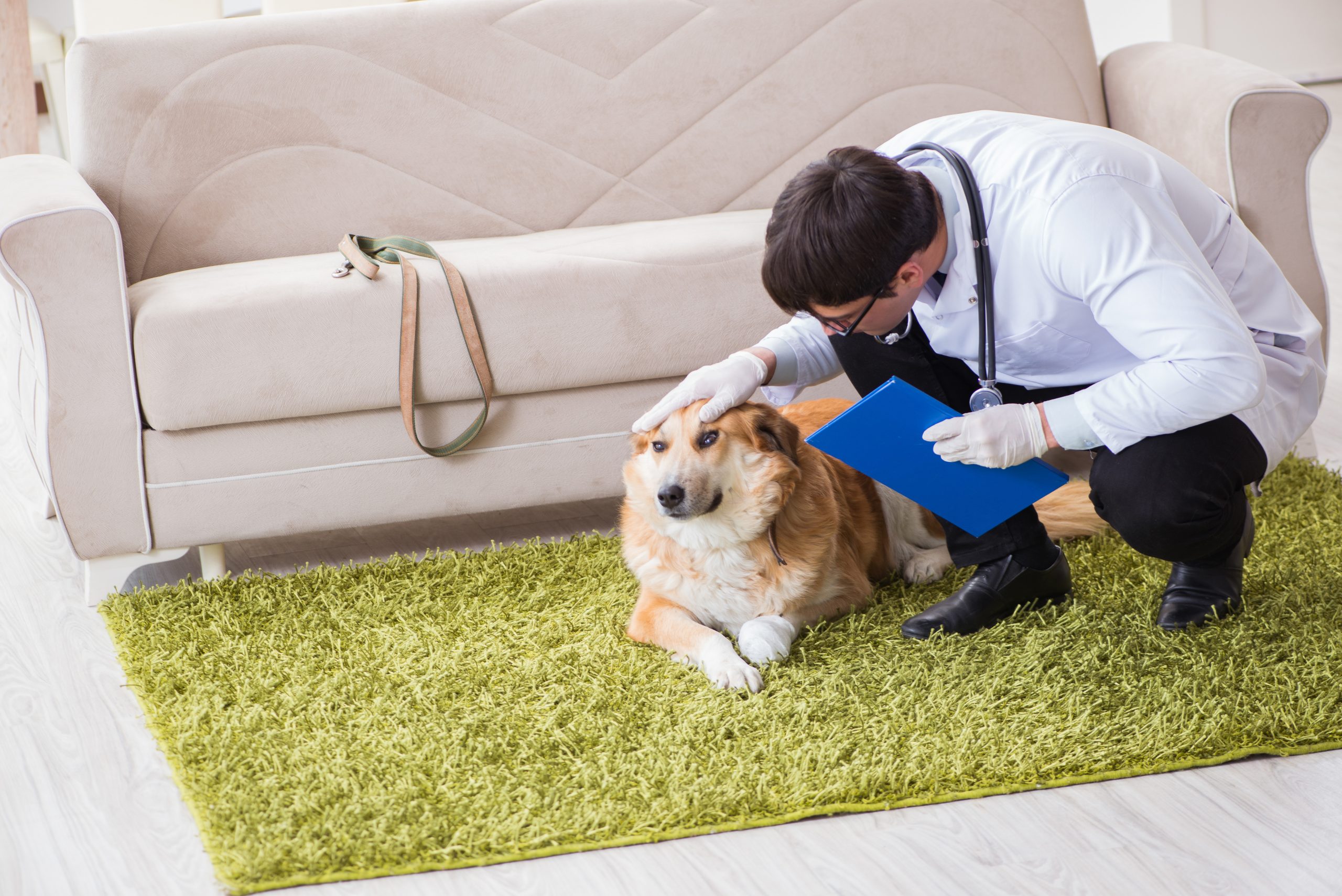
These issues might clear up on their own, but we suggest observing for 24 hours. If your pet stays bright, drinks water, and seems playful, it may just be a mild case. For peace of mind, having access to a mobile veterinary visit in Calgary allows you to stay home while getting proper care.
Red Flags That Mean You Should Act Quickly
Some signs shouldn’t be ignored. If vomiting or diarrhea continues beyond 24 hours, it’s time to take a closer look. We always take note if pets show weakness, shaking, or stop eating entirely. Those symptoms can mean dehydration or pain, both of which need quick attention.
Another concern is vomiting blood or passing black, tar-like stools. That usually means there’s internal bleeding, possibly in the stomach or intestines. In those cases, time matters. Young pets and senior animals are also at greater risk. A minor issue can become serious fast, especially if they lose fluids quickly.
Multiple vomiting episodes in a day, or continuous diarrhea without breaks, are never normal. Add in fever, a bloated belly, or sudden weight loss, and the urgency goes up. If you notice these signs, booking a home vet appointment for urgent symptoms might help you avoid an emergency trip.
What Vomit Color And Texture Can Reveal
Paying attention to the color and consistency of vomit can help narrow down the problem. Yellow or green liquid often means bile is present, which usually shows up when the stomach is empty. This can happen if meals are too far apart or your pet is skipping food. White foam can suggest acid buildup or an irritated stomach lining.
When vomit contains undigested food, it might be from eating too fast or having a blockage that keeps food from passing through. If you notice grass in the mix, some pets eat it when they feel nauseous, but too much grass can worsen things. Brown vomit or anything with a foul smell could point to a blockage or more serious condition.
Clear fluid or mucus may mean irritation in the upper digestive tract. In contrast, blood-tinged or dark red vomit is a strong warning sign. We’ve also seen pets bring up foreign objects like string or small toys. These cases usually require quick action and often lead to surgery. Understanding what the vomit looks like helps us respond faster when we visit with trusted mobile veterinary care.
Differences Between Acute And Chronic Diarrhea
Not all diarrhea means the same thing. Acute diarrhea starts suddenly and usually has a clear cause, like something your pet ate or an infection. It often resolves within a couple of days, especially if your pet stays hydrated and acts normally. Resting the stomach for 12 hours and offering bland food like boiled chicken and rice may help.
Chronic diarrhea is different. It lasts for more than a few days or keeps coming back. When that happens, we start looking deeper. Some causes include food allergies, inflammatory bowel disease, or pancreatic problems. In older dogs and cats, tumors in the digestive system can also lead to recurring symptoms.
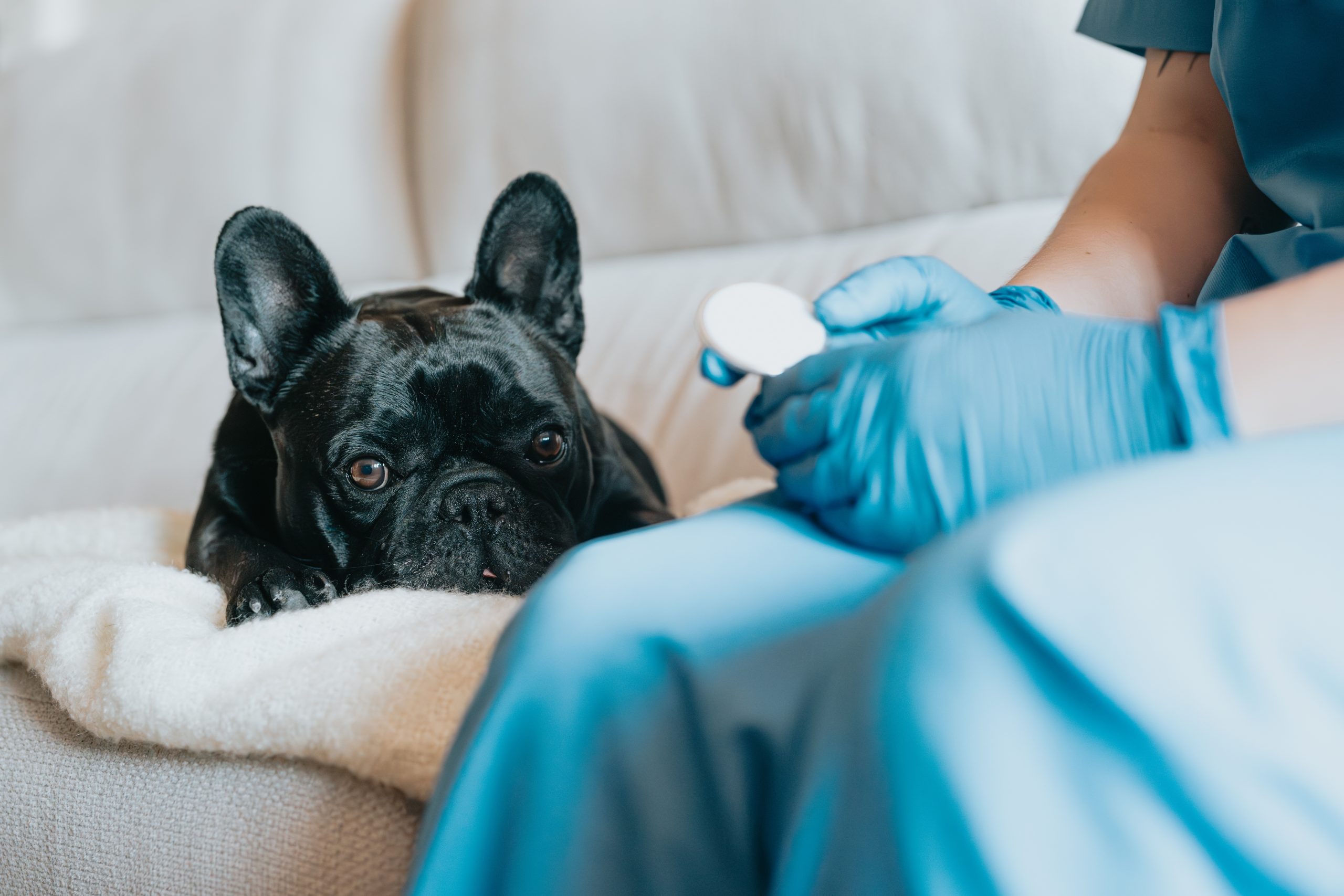
The color and smell of stool can also provide clues. Greyish or greasy stools may suggest issues with fat digestion, while bloody diarrhea can point to infections, ulcers, or parasites. If your pet has repeated episodes or weight loss, it’s important to keep a stool sample and get medical help. A mobile exam allows us to check your pet in a calm space where symptoms are easiest to observe.
Home Monitoring And Comfort Tips
Watching your pet closely is key. Track how often vomiting or diarrhea happens, note the times, and see if anything they ate or did might be connected. Limiting food for several hours, then slowly reintroducing easy-to-digest food, is often helpful. Always make sure clean water is available.
Use a bland diet for a few days, feeding small meals. Cooked rice, lean meat, and plain pumpkin can calm the stomach. Avoid fatty, spicy, or salty foods. If your pet shows signs of dehydration like dry gums, sunken eyes, or sluggish movement, you’ll want to act sooner. Licking lips or swallowing often may mean nausea.
Keep your pet indoors and limit activity. Give them a quiet space to rest and avoid loud noises or rough play. You can also keep a diary of symptoms to help your vet see the full picture. Early support at home can reduce discomfort while waiting for care, especially if symptoms come at night or on weekends when clinics are closed.
When Underlying Illness Is To Blame
Ongoing vomiting or diarrhea often points to deeper health problems. Some common issues include kidney disease, liver problems, diabetes, or infections like parvovirus in dogs and panleukopenia in cats. These can all begin with stomach troubles but become worse if not treated.
Pancreatitis is another serious condition where the pancreas becomes inflamed. It’s painful and leads to vomiting, diarrhea, and loss of appetite. Pets with pancreatitis often need rest, fluids, and medication. Inflammatory bowel disease causes the body to react poorly to food or stress, creating flare-ups that don’t always respond to diet changes.
Even hormonal conditions like Addison’s disease or thyroid issues can affect digestion. Because the signs often overlap with simple upset stomachs, we rely on lab tests to rule out more serious causes. This is where having a vet visit your home helps us evaluate behavior and symptoms in the most natural setting. It also keeps your pet calm during testing.
How We Decide When And What Tests Are Needed
We usually begin with a physical exam and a discussion about your pet’s recent behavior, diet, and medical history. Depending on what we find, we might recommend bloodwork, stool tests, or imaging like ultrasound. These steps help us understand whether the issue is in the stomach, liver, pancreas, or somewhere else.
Blood tests can check organ function and hydration. A complete blood count can reveal signs of infection or inflammation. Stool tests help us find parasites, bacteria, or signs of internal bleeding. Sometimes, if symptoms don’t improve or tests come back unclear, we might try dietary trials or refer to a specialist.
We don’t rush to do every test right away unless the signs are severe. Instead, we focus on making the process smooth and tailored to each case. Having consistent contact and support from a mobile veterinary service builds trust and helps us keep track of ongoing conditions over time.
FAQs
What should I feed my pet after vomiting or diarrhea?
Start with bland, soft foods like plain rice and boiled chicken. Offer small meals, then slowly go back to their regular diet over a few days.
Is it safe to give pets over-the-counter medicine for diarrhea?
No, human medications can be dangerous for pets. Always check with a vet before giving any medication at home.
How can I tell if my pet is dehydrated?
Look for dry gums, loss of skin elasticity, or sunken eyes. If they’re not drinking water and seem tired, call a vet.
What does it mean if my pet vomits once but acts normal?
A single episode isn’t always serious. Keep an eye out for repeated vomiting, changes in appetite, or unusual behavior.
Can I prevent stomach issues in my pet?
Yes, avoid sudden diet changes, don’t let them eat from the trash, and keep toxic plants or objects out of reach.
For help with any of the symptoms mentioned or if you’re unsure whether your pet needs urgent care, it’s always better to speak directly with a vet. You can schedule a home vet appointment for guidance and care right where your pet feels safest.